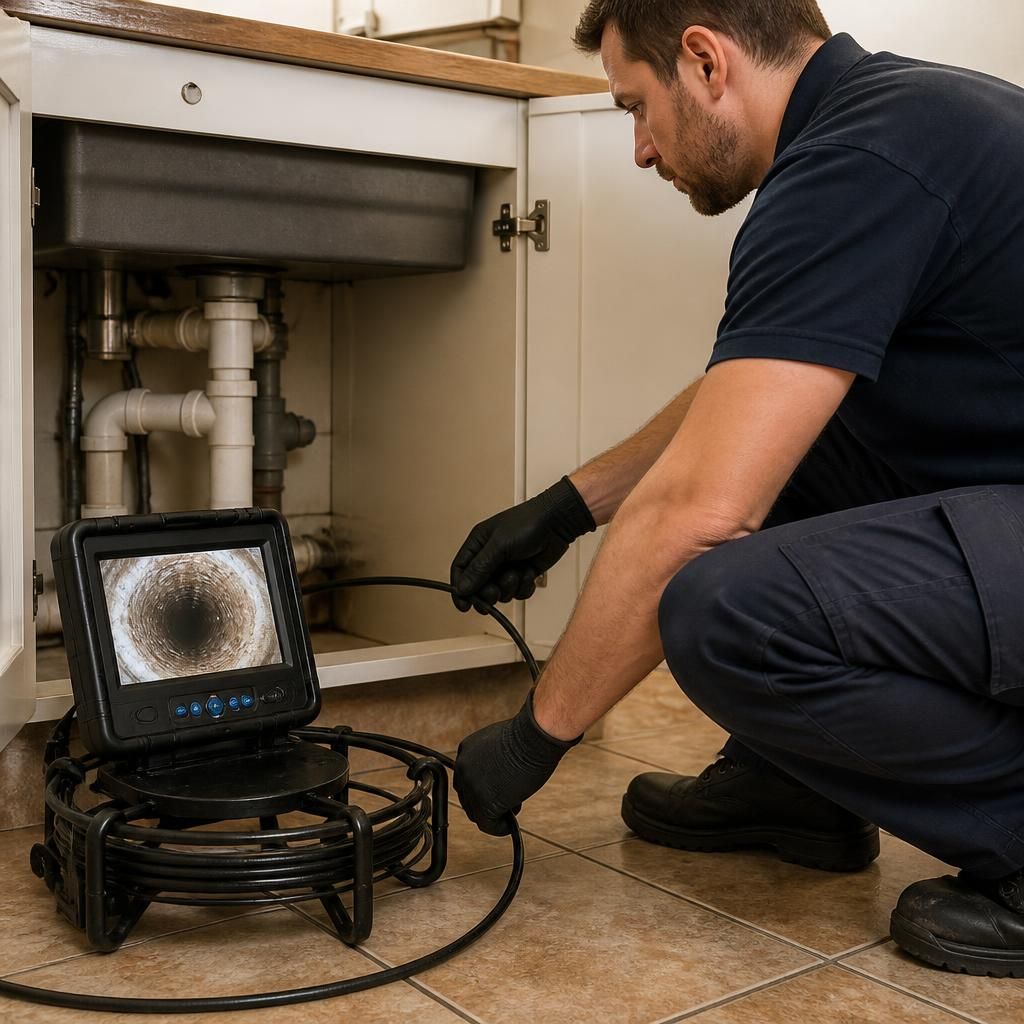
Professional attention is needed when a drain problem cannot be safely resolved with simple cleaning, is accompanied by signs of pipe damage, or creates a risk to the property or occupants. A qualified plumber can identify whether the obstruction is local to one fitting, further along the waste pipe, or linked to a damaged or poorly functioning drainage system.
Look beyond the blockage itself. A drain may need more than routine unblocking if there is damp around pipework, staining on walls or ceilings, damaged flooring, peeling paint, or an unexplained musty odour near the affected area. These signs can indicate that water is escaping from a joint or cracked pipe rather than simply failing to pass through a blockage. Continuing to use the affected fixture may increase damage to surrounding materials.
Be cautious with repeated home remedies. A plunger or removable trap clean may be reasonable for a minor, accessible obstruction. However, repeated use of plungers, improvised tools or chemical drain cleaners can conceal the underlying cause or damage pipework and seals. Caustic products may also remain in the pipe, creating a hazard for anyone who later dismantles the trap or carries out a repair. If basic cleaning has not resolved the issue, professional assessment is the safer option.
Some blockages point to a deeper drainage fault. An obstruction caused by grease, hair or foreign material may be cleared without further work, but a blockage can also result from displaced joints, root ingress, scale build-up, collapsed sections or poor falls in the pipe. The correct solution depends on the position and cause of the problem. Clearing the opening without investigating why the blockage formed may only provide a temporary improvement.
External drainage problems deserve particular care. If an inspection chamber is difficult to open, appears damaged, or contains a persistent build-up, avoid entering it or attempting to remove heavy obstructions without suitable equipment. Drainage chambers and underground pipework can contain contaminated material and may require specialist methods to inspect and clear them safely. A professional can assess accessible sections and determine whether further investigation, cleaning or repair is appropriate.
Arrange professional advice promptly when essential facilities are affected. This includes situations where a household cannot use a toilet, kitchen sink, shower or other necessary fixture safely, or where water is reaching electrical fittings, stored belongings or structural materials. Tenants should report the issue to their landlord or managing agent while taking reasonable steps to prevent further use of the affected fitting. Landlords should retain details of the symptoms, any previous attempts to clear the drain and any visible property damage.
What a professional assessment involves
- Taking details about when the problem began, which fixtures are affected and whether previous clearing attempts have been made.
- Inspecting accessible traps, waste connections, rodding points and inspection chambers where relevant.
- Testing how water moves through the affected section after the obstruction has been addressed.
- Using additional investigation, such as a drainage camera survey, when the blockage is difficult to locate or a damaged pipe is suspected.
- Explaining whether the suitable remedy is unblocking, cleaning, repair, relining or replacement, rather than recommending unnecessary work.
A clear diagnosis is especially important when the same part of the drainage system has required attention before. It helps distinguish a removable obstruction from a defect that needs repair and reduces the risk of treating the symptom without addressing the cause.
Ideal Plumbing Services provides drainage assessment, unblocking and repair support for residential customers in Birmingham and across the West Midlands. When arranging an inspection, describe the affected fitting, any visible damage and the steps already taken. This information helps the plumber prepare for the likely type of investigation and advise on the appropriate next stage.