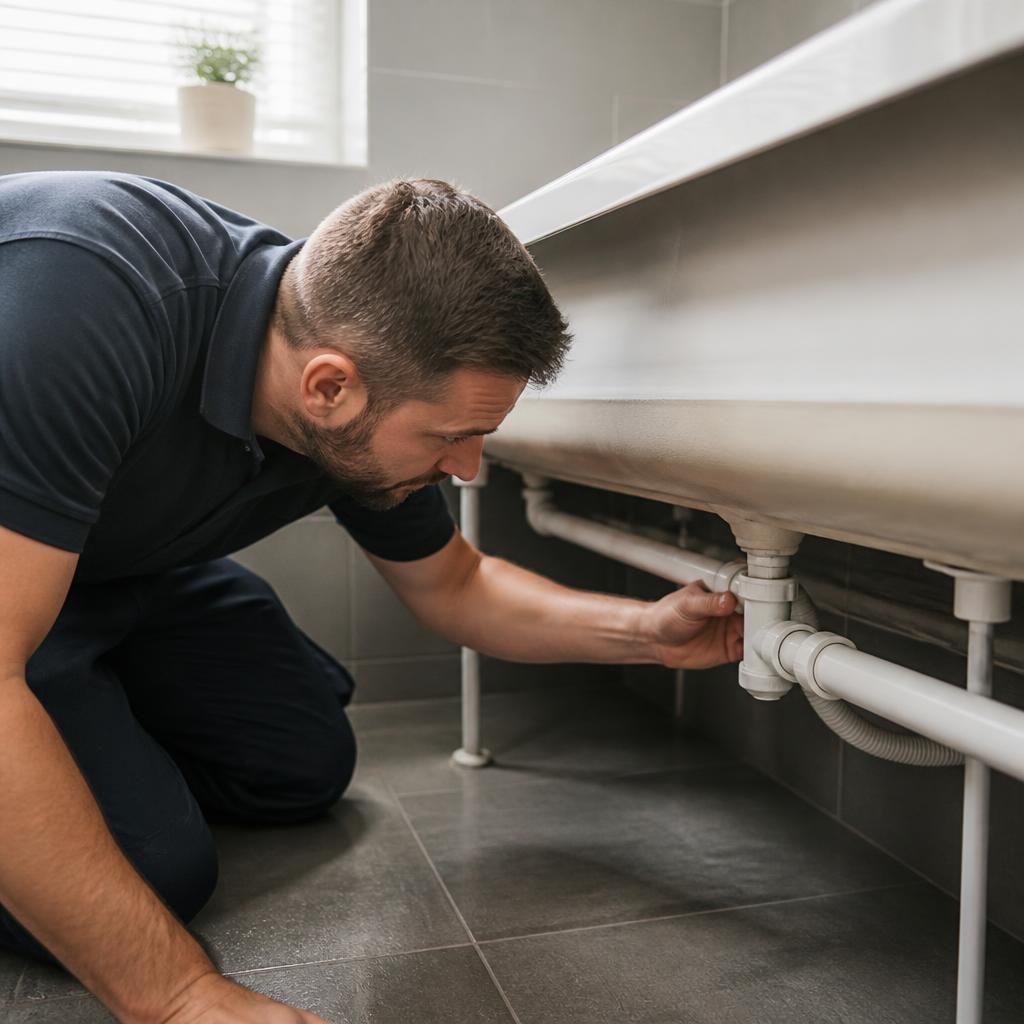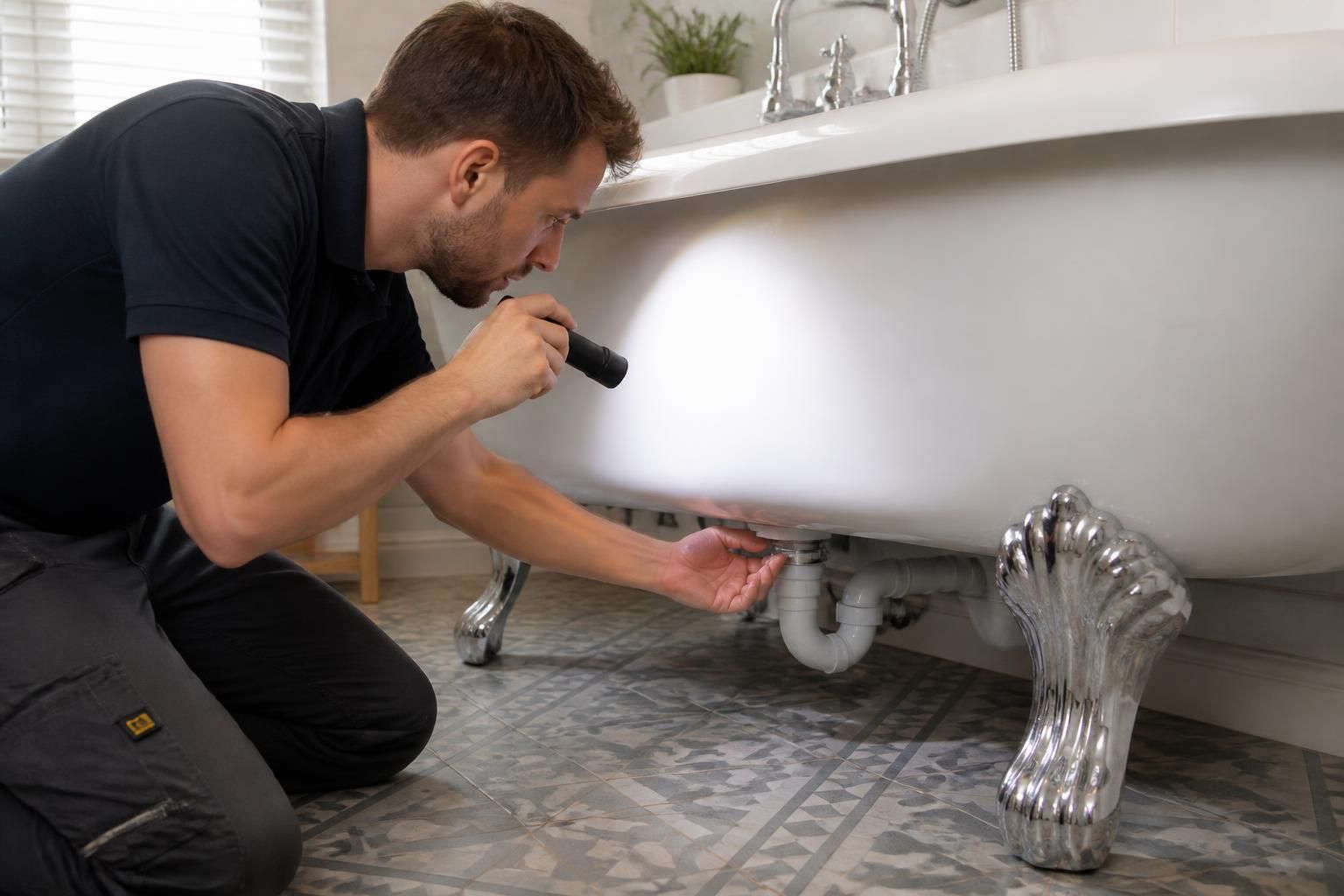
The plumbing work itself can generally be completed without affecting a tenant’s right to occupy the property, provided the person arranging it has the appropriate authority and the plumber can access the bath, waste pipe and connected drainage. The main issue is usually responsibility for the blockage and permission to instruct a contractor, rather than whether the property is rented.
Tenants should check the tenancy agreement and report the problem to the landlord or letting agent. A blockage caused by normal use, ageing pipework or a defect in the plumbing system will often be treated differently from one caused by unsuitable items being put down the drain. The agreement may explain which repairs the landlord handles and whether the tenant can arrange a contractor independently.
- Landlord or letting agent: Usually responsible for arranging repairs arising from defective, damaged or poorly maintained plumbing, subject to the tenancy terms.
- Tenant: May be responsible where the blockage resulted from misuse, such as allowing excessive hair, bath oils, foreign objects or unsuitable cleaning products into the waste.
- Contractor: Should identify the likely cause and report their findings rather than assuming who is liable before the drain has been assessed.
Before booking a plumber privately, a tenant should notify the landlord or agent in writing, describe the symptoms and ask for instructions. Useful details include whether the bath is draining slowly or not at all, whether other bathroom fittings are affected, whether water rises when another appliance is used, and whether there is a smell or visible leak. Keeping photographs, messages and invoices can help establish what was reported and why access was required.
Where the landlord or agent authorises the work, the contractor can normally use a suitable method without removing the bath. An initial inspection may involve checking the plughole, trap and accessible waste connections, followed by manual clearance or appropriate drain-cleaning equipment. More intrusive work should only be considered if the blockage cannot be reached through existing access points or if a damaged section of pipe needs repair.
Tenants should not force tools into the waste, pour repeated doses of corrosive chemicals down the bath or dismantle concealed fittings without permission. These actions can damage seals, trap connections, enamel, acrylic surfaces or pipework, and may make it harder to identify the original fault. Chemical residues can also create a safety risk for anyone subsequently working on the drain.
A professional assessment should distinguish between a local bath waste blockage and a wider drainage problem. If the basin, toilet or other outlets are also slow, the obstruction may be further along the shared waste system. If water is leaking below the bath, the issue may involve a failed seal, trap or pipe joint as well as a blockage. Those findings can affect both the repair method and who should be contacted.
Access arrangements also matter in a rented property. The landlord or agent should coordinate entry where required, and the tenant should clear toiletries and other items from around the bath so the plumbing can be inspected safely. A contractor may need to test the bath after unblocking it and check nearby joints for leaks, so the area should remain accessible until the work is complete.
Ideal Plumbing Services can assess bath drainage problems and carry out suitable repairs when the work has been properly authorised. For rented homes in Birmingham and the wider West Midlands, the clearest approach is to establish responsibility first, provide the contractor with the tenancy and fault details, and retain a written record of the diagnosis and work completed.