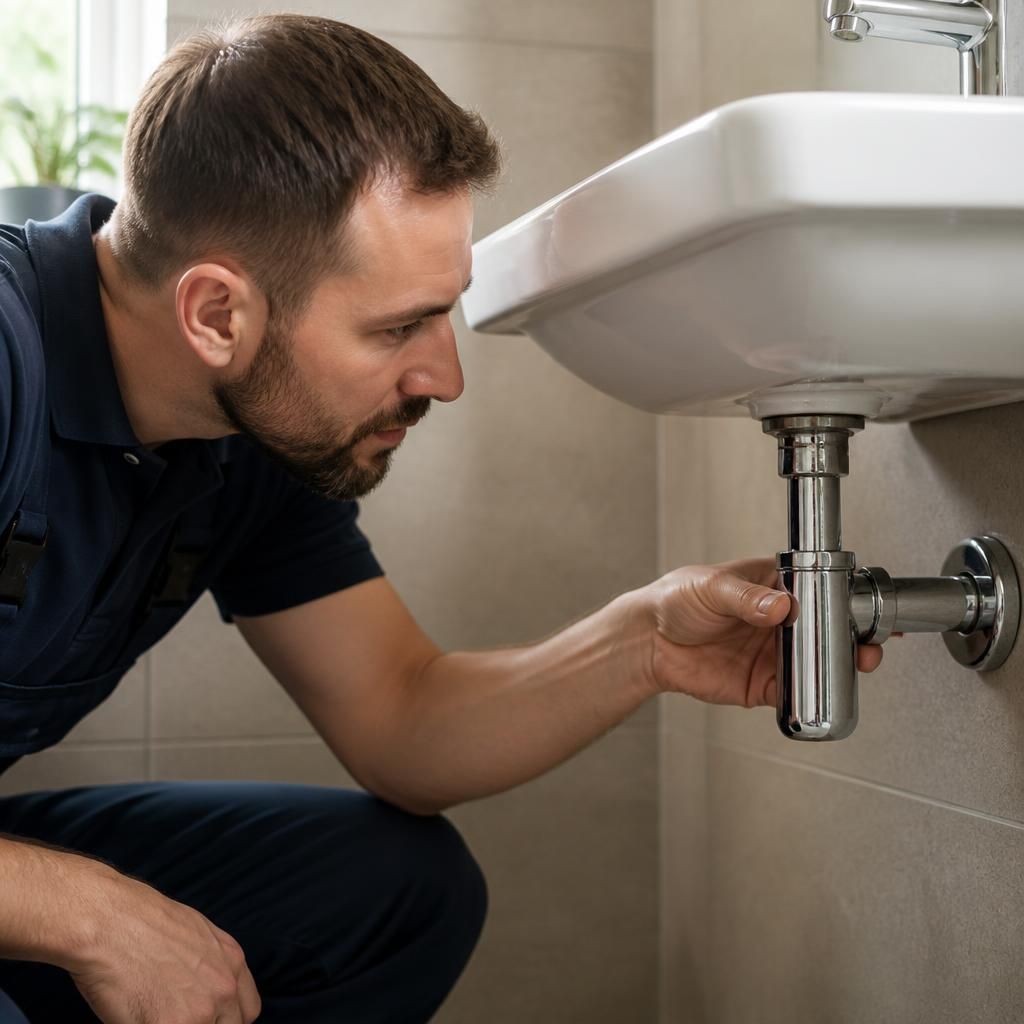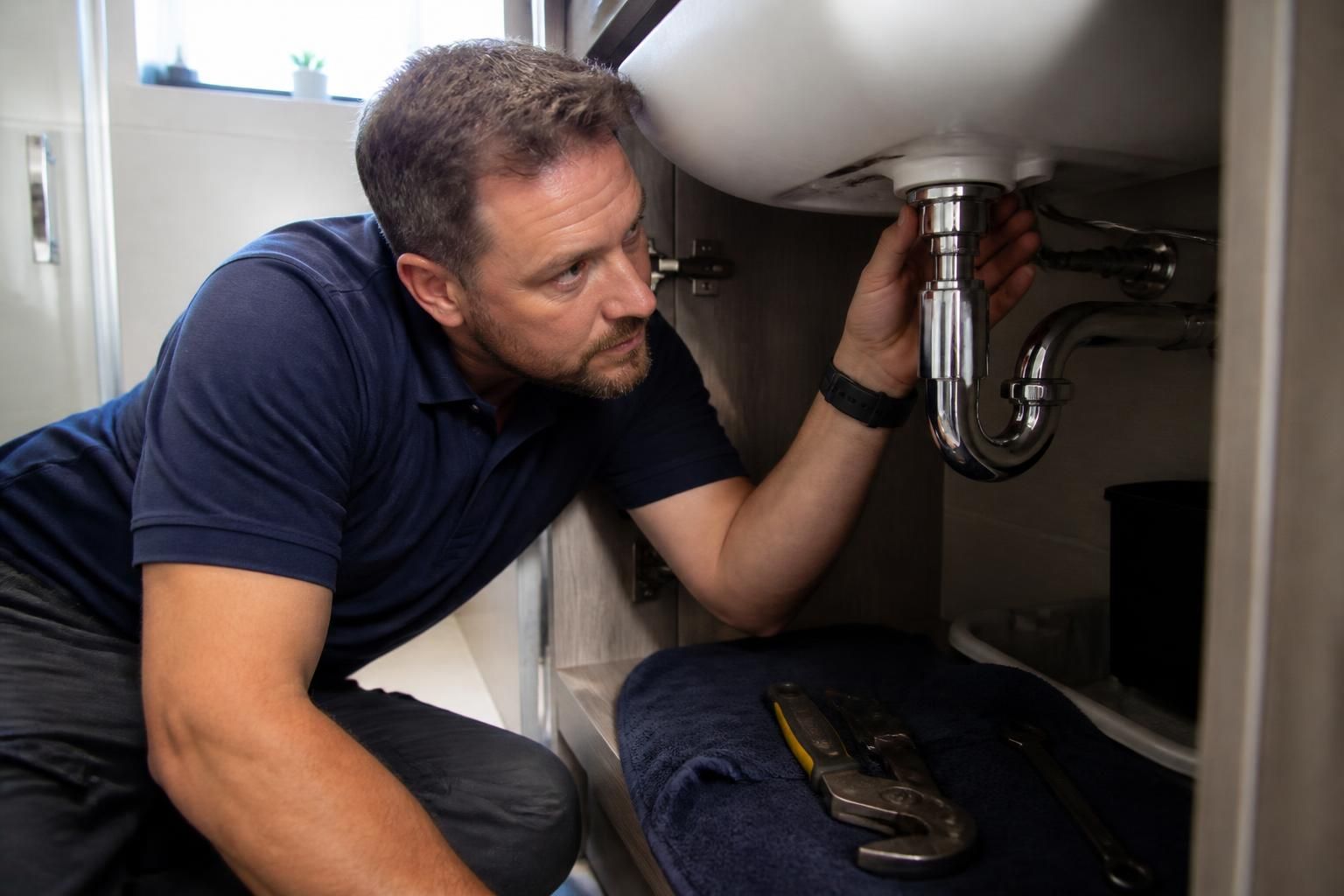
Replacement is generally appropriate when the drain assembly itself has deteriorated, has become mechanically unstable or can no longer connect securely to the existing waste pipe. A slow-running bathroom drain alone is not evidence that the fitting needs replacing, because hair, soap residue, foreign objects and problems further along the pipework can produce the same symptom.
It is useful to distinguish the visible waste fitting from the rest of the drainage system. A bathroom waste may include the grate or plug mechanism, the body of the waste, its washers and the trap beneath the basin, bath or shower. The waste pipe then carries water away from the trap. A fault in one part does not automatically mean that every component needs to be renewed.
Signs that support replacement rather than a routine clean include:
- a waste fitting that moves when the plug or cover is handled;
- a plug, pop-up mechanism or grille that is permanently seized, distorted or no longer operates correctly;
- visible damage around the waste body, such as splits, deformation or severe surface deterioration;
- a trap or waste connection with damaged threads, broken sections or fittings that cannot be tightened correctly;
- water marks, dampness or deterioration beneath the bathroom fixture after the source has been identified;
- a replacement part that is incompatible with the existing opening or waste pipe arrangement.
Persistent odour or poor drainage does not, by itself, prove that replacement is required. These problems may arise from a dirty trap, inadequate ventilation, an obstruction in the branch pipe or an unsuitable fall in the waste pipe. Replacing the visible drain without identifying the cause can leave the original problem unresolved.
A professional assessment should establish where the fault begins. This normally involves examining the waste and trap, checking the condition of accessible connections, running water through the fixture and inspecting the pipework beneath it. The plumber may also need to establish whether the problem is limited to one fitting or affects several bathroom fixtures. If more than one drain is affected, the restriction may be in shared pipework rather than in the individual waste.
In some cases, only a small component needs changing. For example, a damaged plug mechanism, grille or trap can sometimes be replaced while the rest of the installation remains suitable. A complete waste assembly is more likely to be needed where several parts are worn, the body is damaged or the connections no longer match the pipework. The correct replacement must suit the fixture opening, trap type and waste-pipe size.
Replacing a bathroom drain usually requires the water to be removed from the trap, the old fitting to be released and the surrounding surfaces to be checked before the new assembly is installed. The connections are then secured and the fixture is tested with clean water. Bath and shower wastes can be less accessible than basin wastes, so access through a panel or from below may be needed. Removing tiles, panels or sanitaryware should not be attempted without considering how the area will be protected and reinstated.
Delaying an assessment can allow moisture to affect the cabinet, flooring, plasterboard or ceiling below, particularly where the bathroom is above another room. If there is dampness, staining or water appearing beneath a fixture, stop using it where practical and arrange an inspection. Ideal Plumbing Services can assess bathroom drainage and advise whether cleaning, a component repair or full drain replacement is the appropriate option for properties in Birmingham and the wider West Midlands.