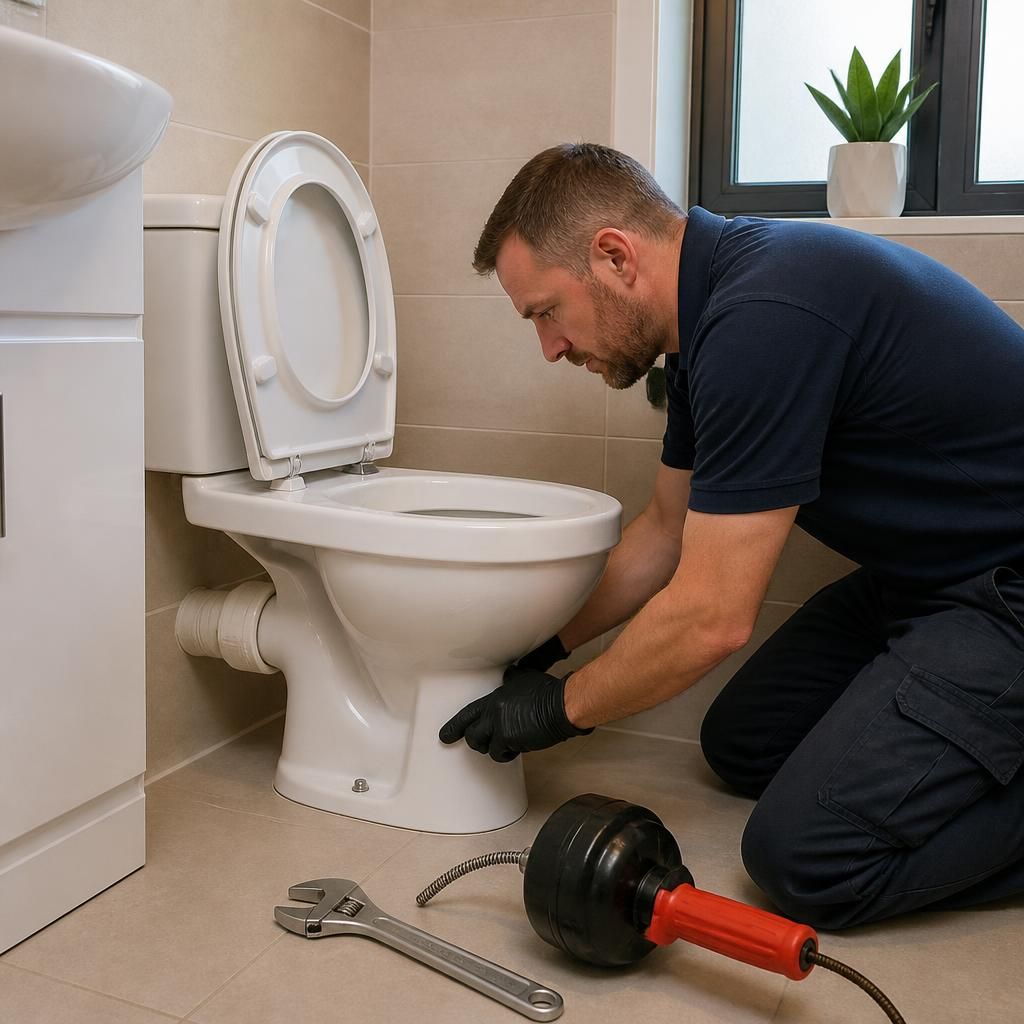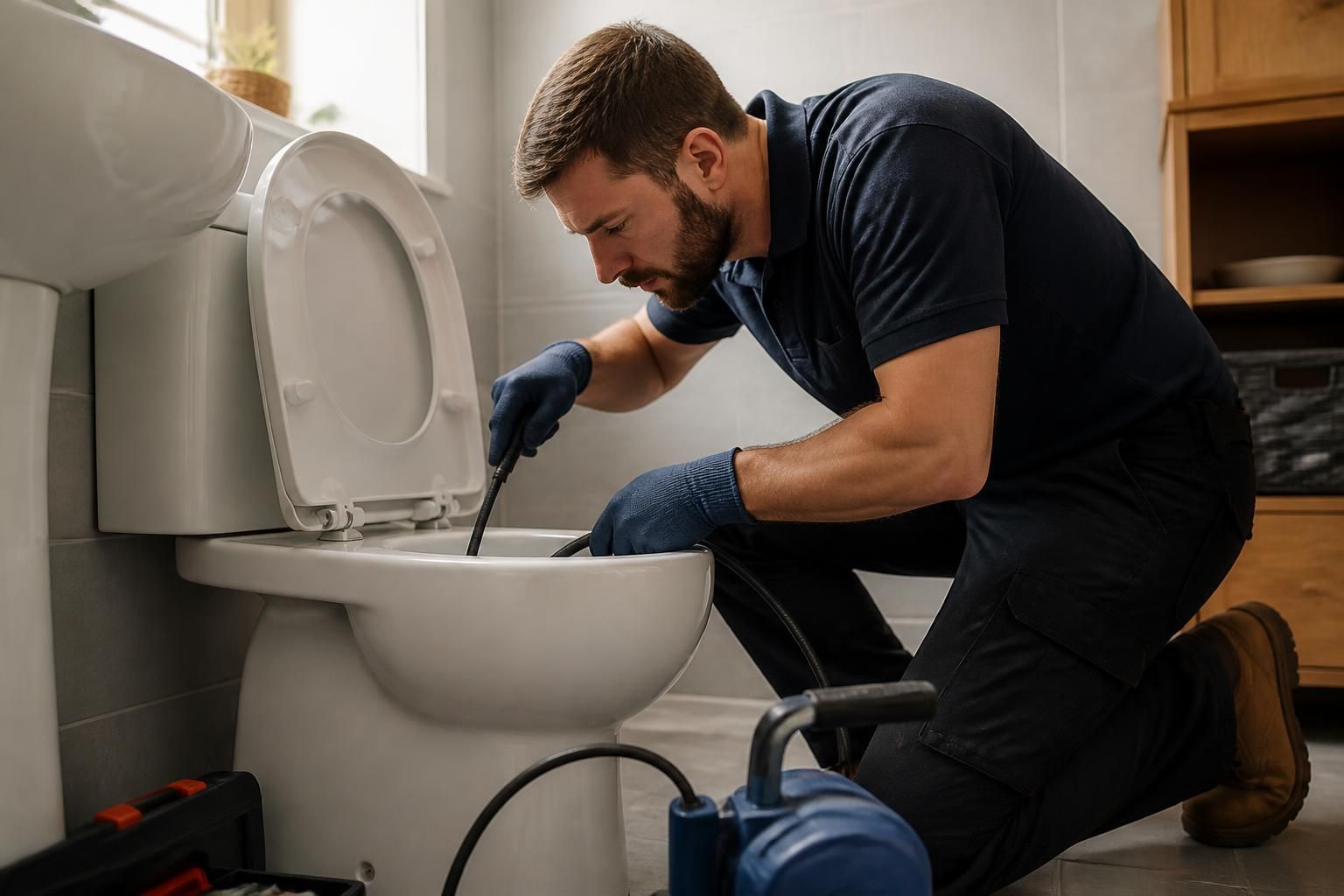
Yes. A plumber can unblock a toilet in a rented property, whether the obstruction is in the pan, trap or connected waste pipe. The work is generally treated as routine plumbing maintenance, but who arranges and pays for it depends on the cause of the blockage, the tenancy agreement and the landlord’s repair responsibilities.
The cause usually determines responsibility. A blockage caused by an inherent plumbing fault, damaged pipework, inadequate drainage or a problem affecting several properties will normally need to be dealt with by the landlord or managing agent. By contrast, the tenant may be responsible where the obstruction follows misuse, such as flushing unsuitable items or allowing excessive material to enter the toilet. The tenancy agreement may set out specific reporting and repair arrangements, so it should be checked before authorising chargeable work.
Tenants should report the problem to the landlord or letting agent with clear information, including whether the toilet is completely unusable, whether water rises when it is flushed and whether other toilets, sinks or drains are affected. Photographs or a short video can help document the condition before any work takes place. Avoid dismantling the toilet or using aggressive chemical drain cleaners, as these can damage fittings, create a hazard and make the underlying problem harder to identify.
Where the landlord or agent authorises a plumber, the technician will normally assess the toilet and connected pipework before choosing a method. A simple obstruction may be cleared with suitable mechanical equipment. If the blockage returns, affects more than one outlet or cannot be reached through the toilet, further investigation may be needed to distinguish a local toilet blockage from a drainage fault. Removing the toilet is not automatically necessary; it depends on the location and nature of the obstruction.
Tenants should avoid using the affected toilet until it has been assessed, particularly if flushing causes the bowl to fill or spill. Keep the area around the toilet clear, protect flooring from contaminated water and keep children and pets away from any overflow. If the property has another toilet, use that instead while arrangements are being made. Do not repeatedly flush in an attempt to force the obstruction through.
Landlords and letting agents can reduce disputes by recording the condition of the toilet at check-in, explaining what may and may not be flushed, and keeping records of reported faults and completed repairs. If a blockage is found to result from a defect rather than tenant behaviour, resolving the underlying issue is important; clearing the visible obstruction alone may not prevent a recurrence.
A plumbing report can help where responsibility is unclear. It may record the location of the blockage, the likely cause, any damage found and the work carried out. This gives the landlord, agent and tenant a factual basis for deciding whether the cost should be treated as property maintenance or charged under the tenancy terms. Any proposed charge should be explained before non-urgent work is authorised.