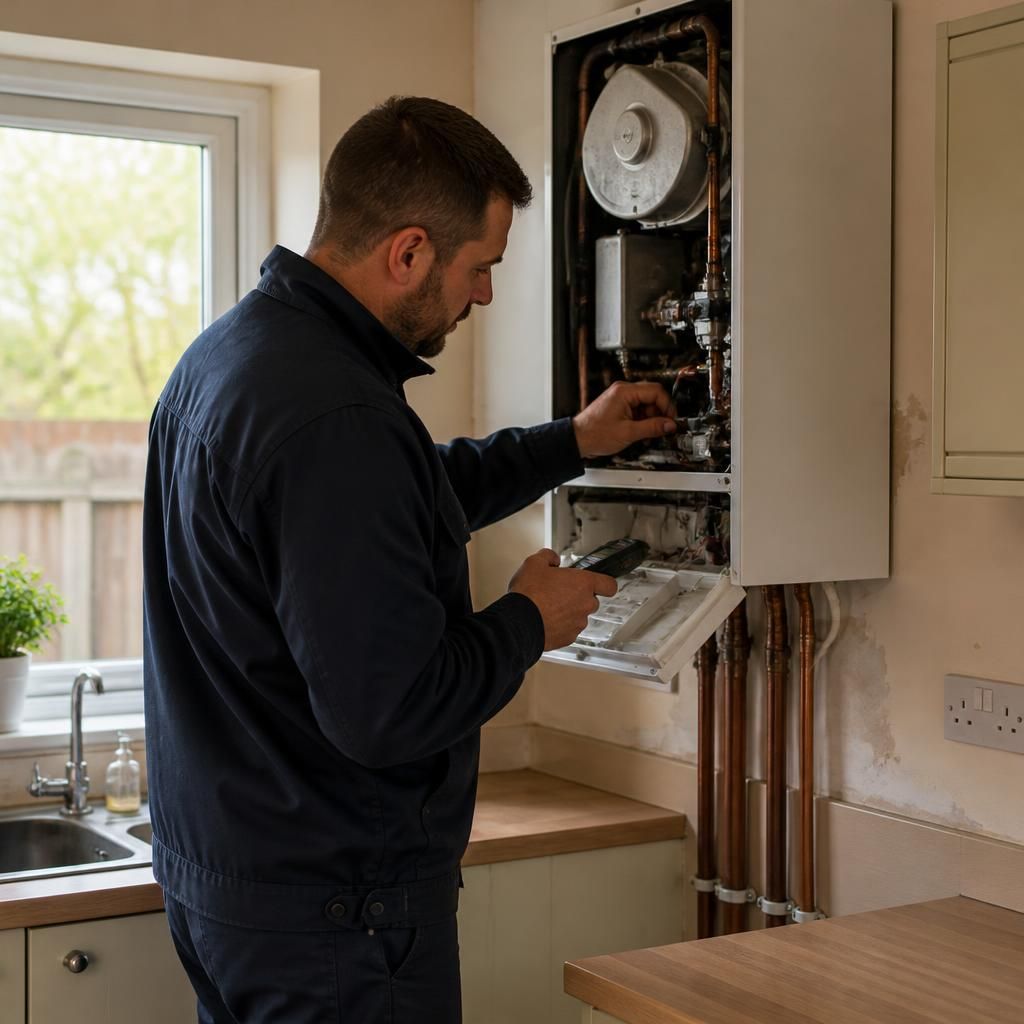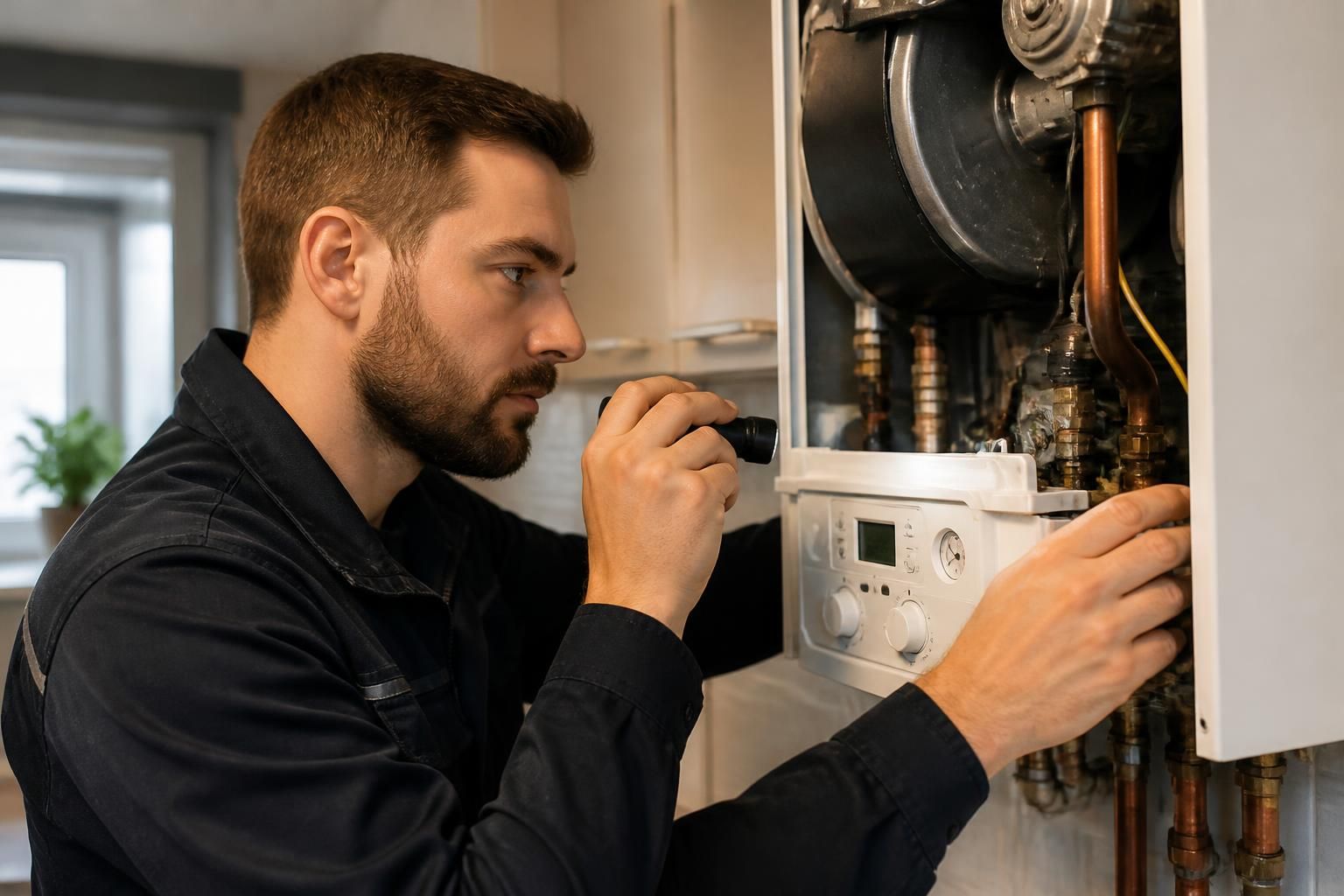
Gas fitting in a rented property is governed by the responsibilities of the landlord, the tenant and the qualified engineer. The work may include repairing or installing gas pipework, boilers, fires, cookers and other fixed appliances, but the person arranging it must have the legal authority to approve the work and ensure that it is completed safely.
Landlord responsibilities
- Arrange the required gas safety inspection for appliances, flues and relevant installation pipework provided with the property.
- Keep the safety record and provide the tenant with the relevant documentation.
- Maintain landlord-owned gas appliances and associated systems in a safe condition.
- Arrange repairs when a fault affects the safe operation of the property's gas installation.
- Use an engineer whose Gas Safe registration covers the type of work being carried out.
A landlord should also make sure that any replacement appliance is suitable for the property, correctly sized and properly ventilated. Changing a boiler or moving a gas appliance can affect flues, ventilation, heating controls and the condition of the surrounding installation, so it is not simply a matter of connecting a new appliance.
Tenant responsibilities
Tenants should report faults, unusual smells, warning messages, poor appliance performance or damaged visible pipework to the landlord or managing agent. They should not remove, alter or attempt to repair a gas appliance themselves. A tenant who wants to install their own gas cooker, replace an appliance or alter the gas installation should check the tenancy agreement and obtain written approval before any work is arranged. The tenant may also need to meet the cost of work relating to an appliance they own, depending on the agreement and the circumstances of the repair.
Permission to install an appliance does not replace the safety requirements. The appliance must be compatible with the gas supply and ventilation, and the work must be tested and commissioned by a suitably competent Gas Safe registered engineer. The engineer should explain any operational or safety information that the tenant needs after the work.
What happens during a rented-property gas visit?
- The engineer establishes who has authorised the work and what the property owner or tenant wants completed.
- They inspect the relevant appliance, pipework, flue, controls and ventilation before carrying out work.
- They check whether the proposed repair or installation is suitable for the existing system.
- They complete safety checks, testing and commissioning after the work.
- They record any defects or unsafe conditions and explain whether the appliance can remain in use.
Access should normally be arranged through the landlord, agent or tenant in line with the tenancy agreement. Where the work involves shared flues, communal areas or neighbouring properties, the managing agent or freeholder may also need to be involved. A written quotation or job description can help prevent disputes about which appliance is being repaired, who is paying and whether any additional work has been identified.
If the work is urgent
If a tenant suspects a gas leak, sees signs of scorching, finds a damaged flue or believes an appliance is unsafe, they should stop using the appliance, avoid operating electrical switches near a suspected leak and report the concern through the appropriate emergency gas channel. The landlord or managing agent should be informed as soon as it is safe to do so. An engineer may need to isolate an appliance or part of the installation if it presents an immediate danger; using it again should wait until it has been declared safe.
If a landlord does not address a reported gas safety issue, the tenant can keep records of the report and seek advice from the local authority's private renting or housing team. Tenants should never be pressured into using an appliance that has been identified as unsafe.
For Birmingham rental homes and properties elsewhere in the West Midlands, a domestic gas fitting visit should therefore be arranged with clear permission, an agreed scope of work and the correct competence for the appliance or installation involved. Ideal Plumbing Services can advise homeowners, landlords and tenants on the practical requirements before gas repair, replacement or installation work begins.