Domestic gas fitters cannot work on every household gas appliance by default. Their permitted work depends on the appliance categories covered by their competence, the type of gas involved, the nature of the job and the installation itself. A fitter may be suitable for one appliance or task but not another, so their qualifications should be checked before work begins.
Common appliance categories include:
- central-heating boilers and associated gas components;
- gas fires and room heaters;
- gas cookers, hobs and ovens;
- water heaters and instantaneous water-heating appliances; and
- gas meters, pipework or other installation components, where the engineer’s registration covers that work.
These categories are not interchangeable. Someone experienced with boilers may not be authorised to work on every type of gas fire, cooker or commercial appliance. Appliance design also varies: a room-sealed boiler, open-flued heater and flueless cooking appliance each has different requirements for combustion air, flueing, ventilation and safety testing.
The job itself also affects whether the fitter is suitable. Installing a new appliance is not the same as diagnosing a fault, servicing an existing appliance or carrying out a safety inspection. Work may involve connecting gas pipework, testing combustion, checking the flue, confirming ventilation, inspecting safety devices or commissioning the appliance in line with the manufacturer’s instructions. The engineer must have the appropriate competence for the specific task rather than simply being described as a domestic gas fitter.
There can also be a difference between working on the gas supply and repairing the appliance’s other components. A gas engineer may be able to diagnose a gas-related fault, but an electrical or electronic failure could require separate expertise. Modern boilers, cookers and heating controls often include electrical parts, sensors, circuit boards and controls. The engineer should explain if a fault falls outside the gas work they are qualified to undertake rather than making an unsafe assumption.
Gas type is another important consideration. An appliance connected to mains natural gas is not automatically suitable for LPG, such as bottled or bulk-supplied gas. LPG installations can require different components, settings, storage arrangements and safety checks. If an appliance has been converted, replaced or connected to a different gas supply, the engineer needs to establish that it is designed and approved for that arrangement before carrying out work.
For installations and replacements, the fitter should assess more than the appliance connection. They may need to consider the condition and size of the gas supply, the route of the flue, terminal clearances, ventilation, condensate drainage and the location of the appliance. Existing pipework or a chimney may not meet the requirements for a new appliance, even if the old one operated from the same position. A replacement should not be treated as a simple like-for-like swap without these checks.
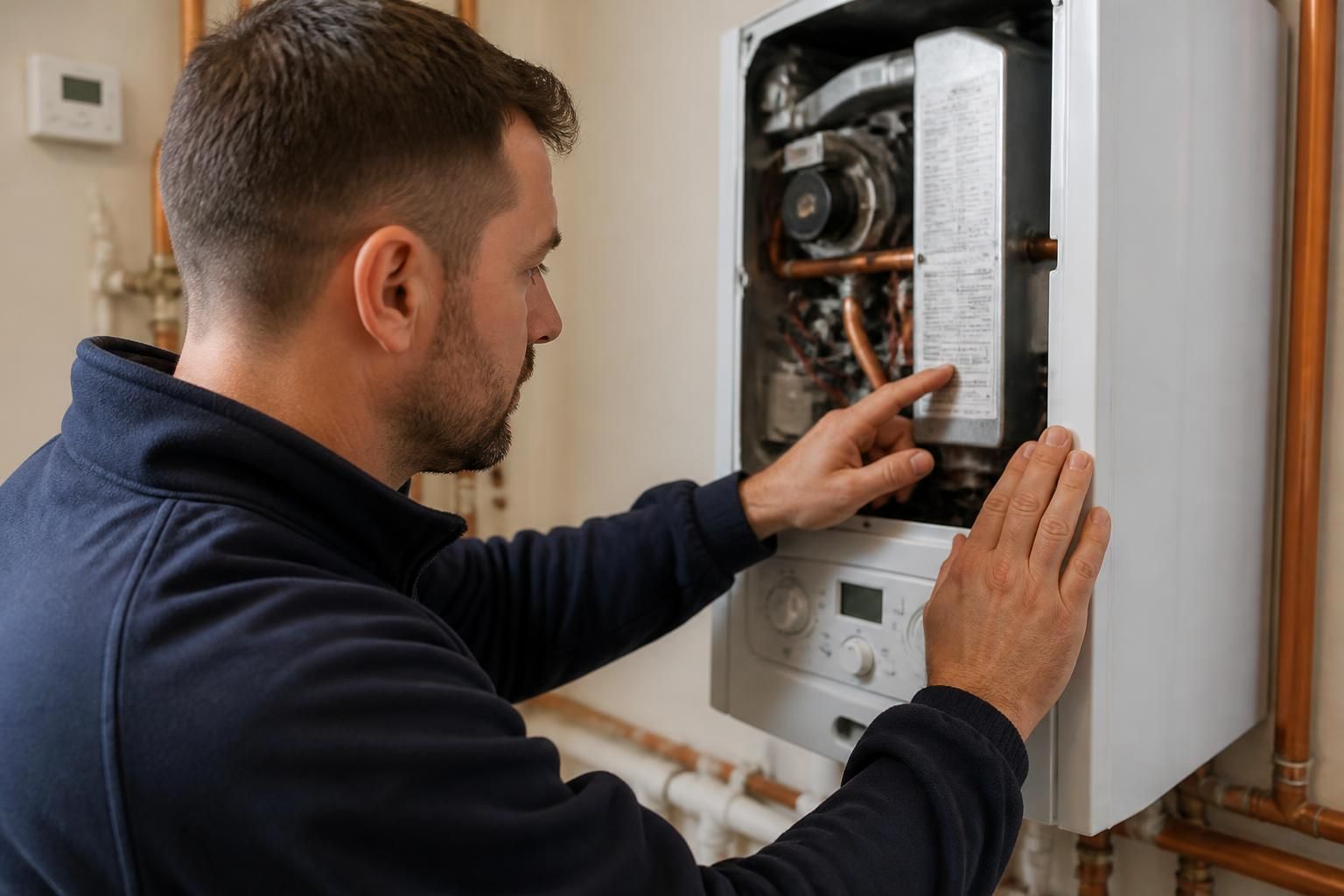
Servicing and inspection also involve more than switching an appliance on. The engineer should look for signs of unsafe combustion, damaged seals, blocked or defective flues, inadequate ventilation and faulty safety controls. Where a defect creates a danger, the appliance may need to be isolated until it can be made safe. Do not attempt to remove a safety device, alter gas settings or relight an appliance repeatedly when there are signs of a fault.
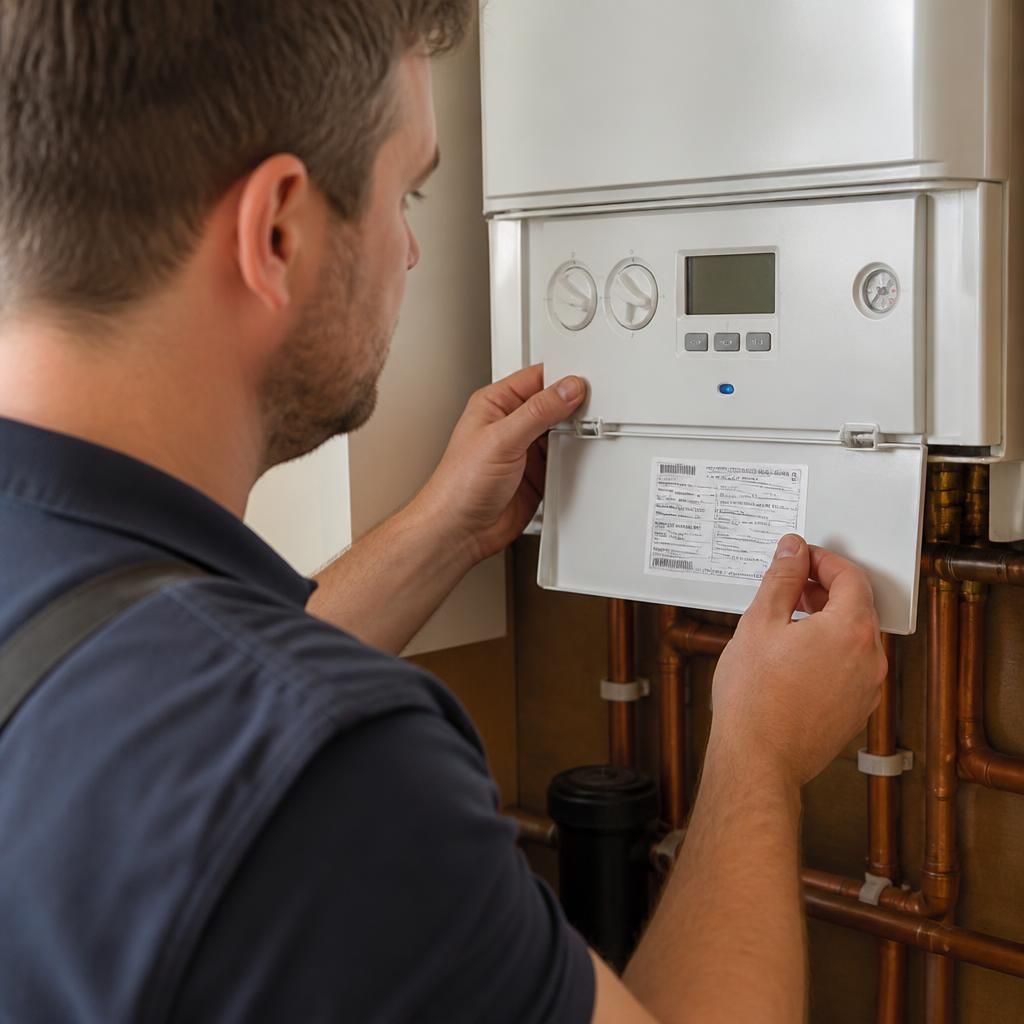
Before arranging work, provide the fitter with the appliance type, location, fuel type and a description of the problem. A photograph of the appliance data plate or model information can help establish whether the engineer is equipped for the job. It is also sensible to ask what work is included, whether testing and commissioning are covered, and whether any associated electrical, chimney or building work falls outside the gas fitter’s role.
For householders in Birmingham and the wider West Midlands, Ideal Plumbing Services provides domestic plumbing, heating and gas-related support for residential properties. The appropriate engineer and scope of work should be confirmed for the particular appliance before an installation, repair, service or inspection proceeds.