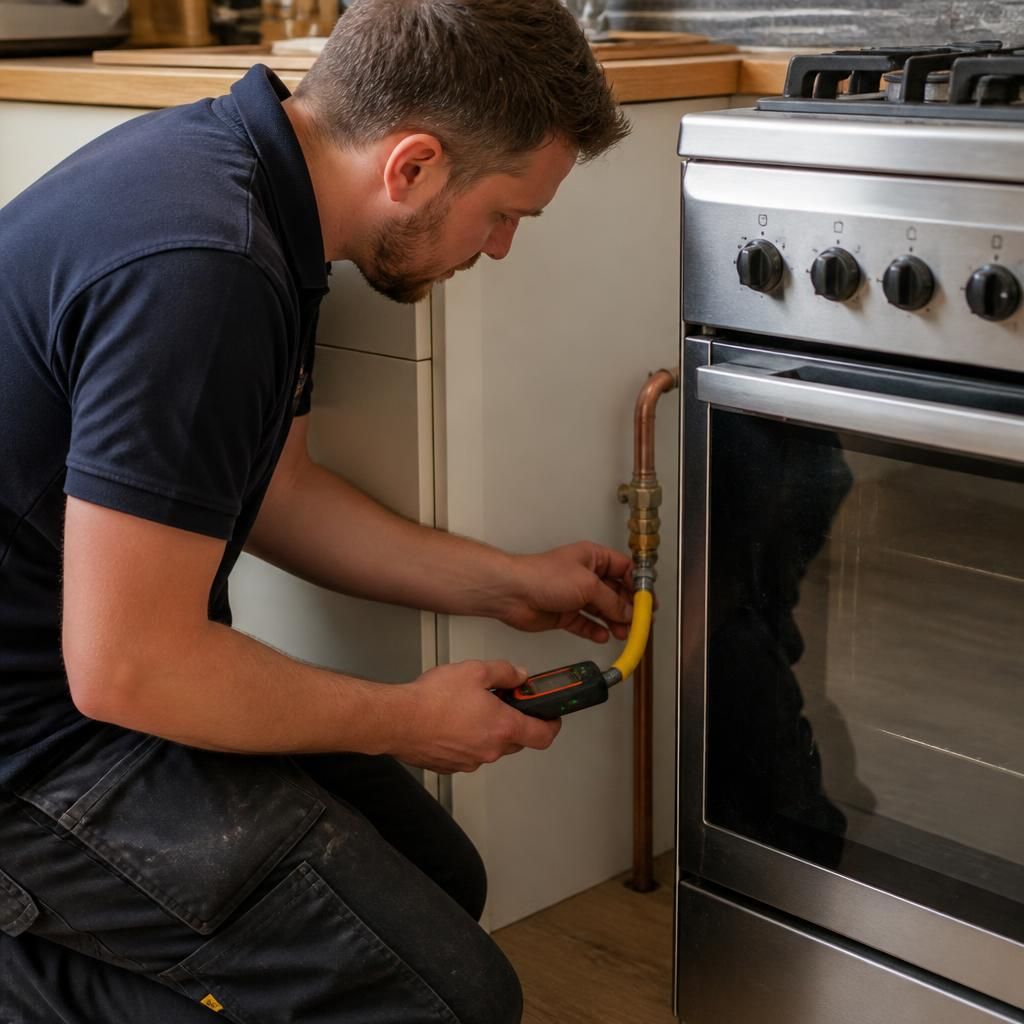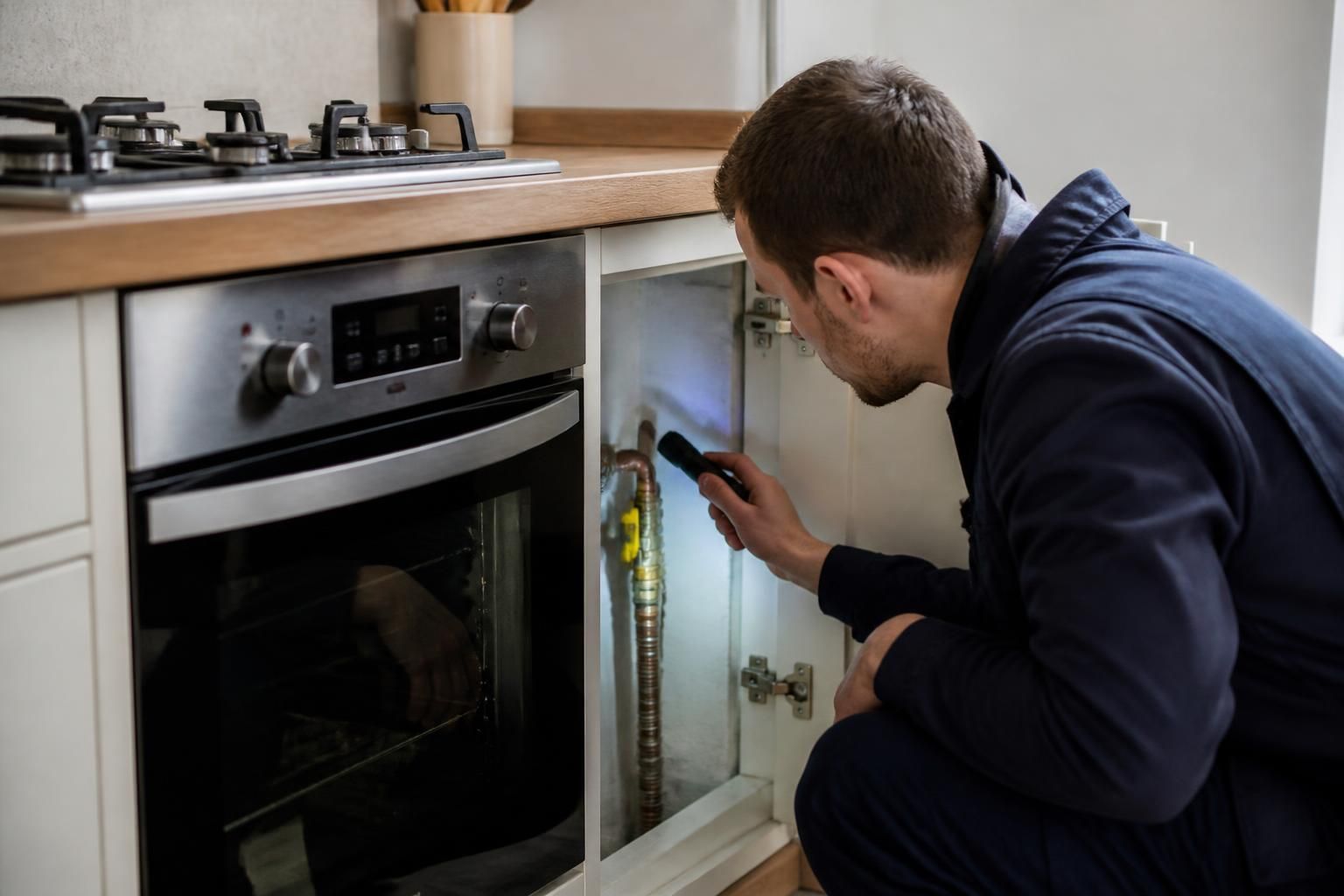
Domestic gas fitting generally causes short-term, localised disruption rather than requiring major changes throughout the home. The main inconvenience is usually restricted access to the work area and temporary loss of use of the affected appliance while the engineer completes the work and confirms that it is safe to use.
The amount of disruption depends mainly on the type of fitting involved. Replacing an accessible appliance may require little more than clearing the surrounding area. Work becomes more involved where the appliance is built in, pipework needs altering, ventilation must be assessed, or the engineer needs access beneath floors, inside cupboards or behind panels.
During the appointment, you may need to keep a room clear and avoid using the appliance being worked on. If the gas supply to other appliances has to be isolated as part of the work, those appliances will also be unavailable until testing is complete. This can affect cooking or heating arrangements, depending on which equipment is connected and how the installation is configured.
Physical disturbance in the property
- Flooring, cupboards, worktops or access panels may need to be moved or removed to reach concealed connections.
- Small holes or openings may be necessary where pipework passes through walls, floors or units.
- Dust, debris or minor marks can occur around the immediate work area, particularly when old fittings are removed or new routes are created.
- Surfaces may need making good after the gas work, although decorating, tiling, joinery and extensive building repairs may be separate tasks.
Good preparation can reduce avoidable interruption. Remove items from around the appliance, clear a route to it, empty relevant cupboards and move valuables or fragile objects from nearby surfaces. If access is needed to a meter, boiler, cooker connection or concealed pipework, make sure that area is reachable before the engineer arrives. Tenants should also follow any access or approval arrangements required by their landlord.
How the work affects your routine
Most disruption is concentrated around the work area rather than the whole property. You may be able to use other rooms normally, but noise, tools and restricted access can make the affected room unsuitable for normal use while work is under way. Where the installation forms part of a heating system, plan for the possibility that heating or hot water will not be available during the relevant work and testing period.
Older installations can require more investigation. An engineer may find corroded connections, inaccessible pipework, unsuitable ventilation or other issues that need attention before the fitting can be completed safely. These findings can extend the work and may require a revised plan, additional parts or follow-up repairs. It is sensible not to arrange decorating or other trades around the installation until the gas work has been checked and signed off.
Safety checks are an essential part of completing domestic gas work, not an optional extra to be shortened for convenience. The engineer should check the installation, appliance operation, flue arrangements where relevant and any connections affected by the work. The appliance should not be put back into normal use until these checks have been completed and the engineer confirms that it is safe.
For households in Birmingham and the wider West Midlands, a clear quotation or explanation before work starts can help distinguish the expected access and making-good requirements from possible additional work. Ideal Plumbing Services can assess the installation and explain what areas need to be accessible, what household functions may be interrupted and whether the proposed fitting is likely to involve more than a localised disturbance.