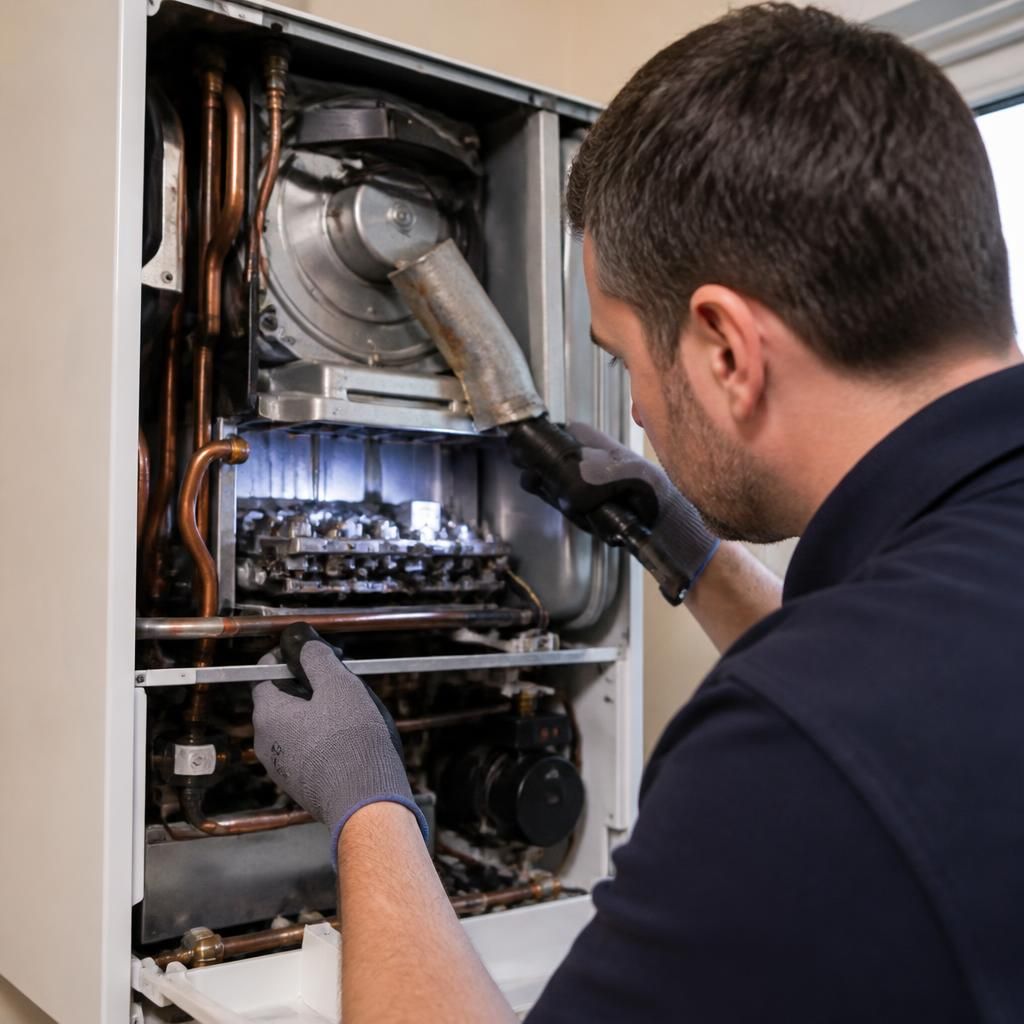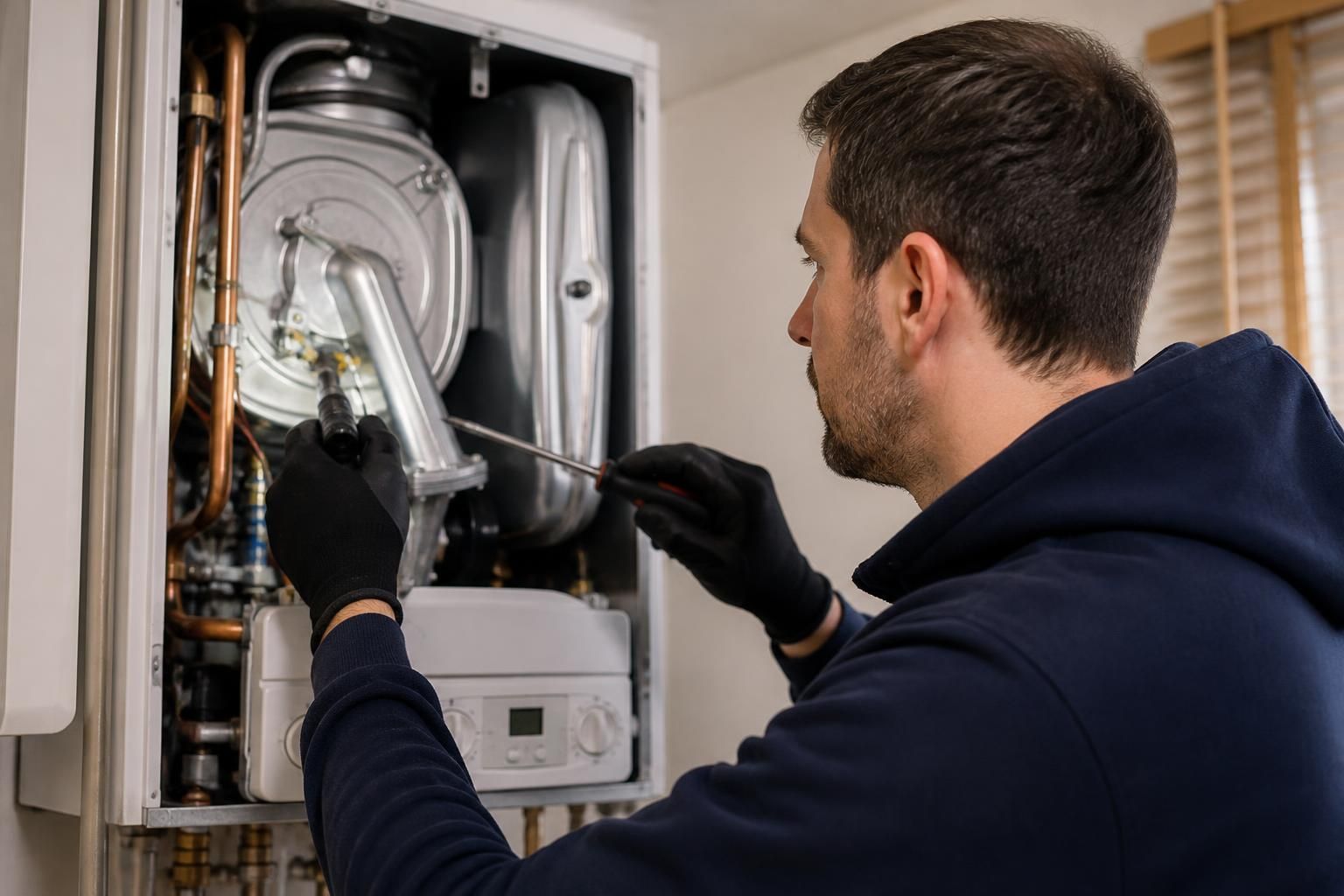
A gas appliance should be serviced at the interval set by its manufacturer, with the timing confirmed from the appliance manual, installation paperwork or previous service record. Servicing is a planned inspection and maintenance procedure carried out by a suitably qualified gas engineer to assess the appliance’s operation, condition, safety controls and connection to the gas and flue systems.
Manufacturer guidance takes priority because service requirements vary between boilers, fires, cookers, water heaters and other gas appliances. Some appliances have specific maintenance tasks or inspection intervals, and failing to follow them could affect safe operation, warranty conditions or the evidence available for future repairs. If the recommended date is unclear, a qualified gas engineer can advise on an appropriate service schedule after identifying the appliance and reviewing its history.
A service is particularly important in the following situations:
- When the manufacturer’s service interval is due: This is the primary reason to arrange routine servicing, even when the appliance appears to be working normally.
- After a long period without use: An appliance that has been dormant may need inspection before being relied upon, particularly if its flue, ventilation or connections have not been checked during that period.
- Following installation, alteration or relocation: A new or moved appliance should be checked to confirm that it has been installed correctly and is suitable for the supply, ventilation and flue arrangement.
- After a repair involving safety-critical parts: Servicing or testing may be appropriate after work on burners, controls, seals, flues or other components that affect combustion or safe discharge of products.
- When the appliance’s service history is unknown: This is common after moving home or taking on a rental property. Establishing a documented baseline can help identify the next maintenance date.
For rented homes, a landlord’s gas safety check is a separate legal requirement from routine appliance servicing. The check assesses whether relevant gas appliances, pipework and flues are safe to use, while a service is a more detailed maintenance procedure that may include cleaning, adjustment and condition checks in line with the manufacturer’s instructions. A landlord should not treat a safety certificate as a substitute for servicing where the manufacturer recommends regular maintenance.
During a service, the engineer may examine the appliance casing, burner, heat exchanger, ignition system, controls, seals, ventilation and flue. They may carry out safety and performance tests, check for signs of incomplete combustion and confirm that combustion products are being safely removed. The exact checks depend on the appliance type and the manufacturer’s instructions. If a defect is identified, the engineer should explain its significance and advise whether repair, further investigation or replacement is appropriate.
Keep service records, installation documents and any safety certificates together. These records can show when maintenance was completed, which parts were inspected and whether recommendations remain outstanding. They are also useful when arranging future repairs, selling a property or handing information to a new landlord or occupant.
If a gas appliance is suspected to be unsafe, do not continue using it simply because its next planned service is not yet due. Turn it off if it is safe to do so, avoid interfering with the appliance and seek advice from a qualified gas engineer. A service cannot make an appliance safe if it has been incorrectly installed, has a serious defect or has a problem with its flue or ventilation; those issues require proper investigation and corrective work.
For residential properties in Birmingham and across the West Midlands, Ideal Plumbing Services can provide guidance on gas appliance servicing, safety checks and related plumbing or heating repairs. The appropriate service date should always be based on the manufacturer’s instructions, the appliance’s condition and its recorded maintenance history.