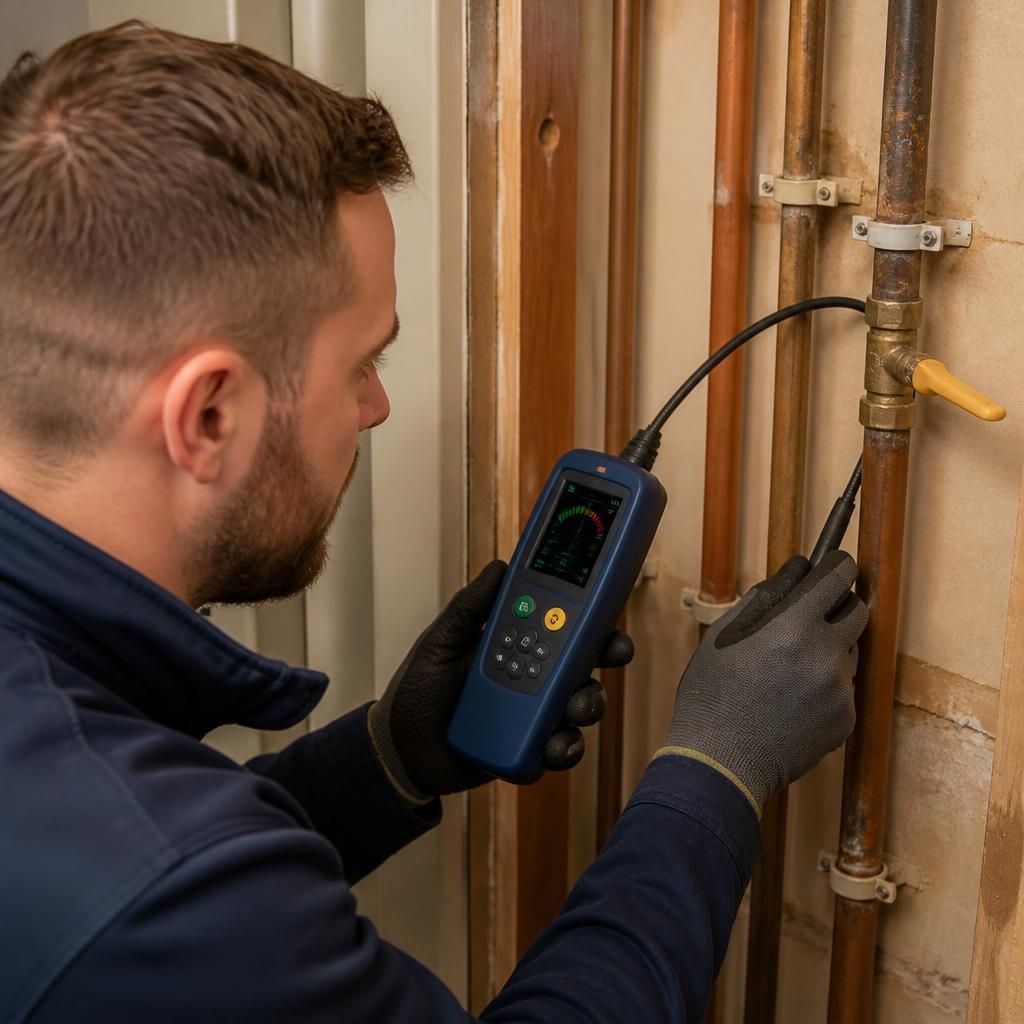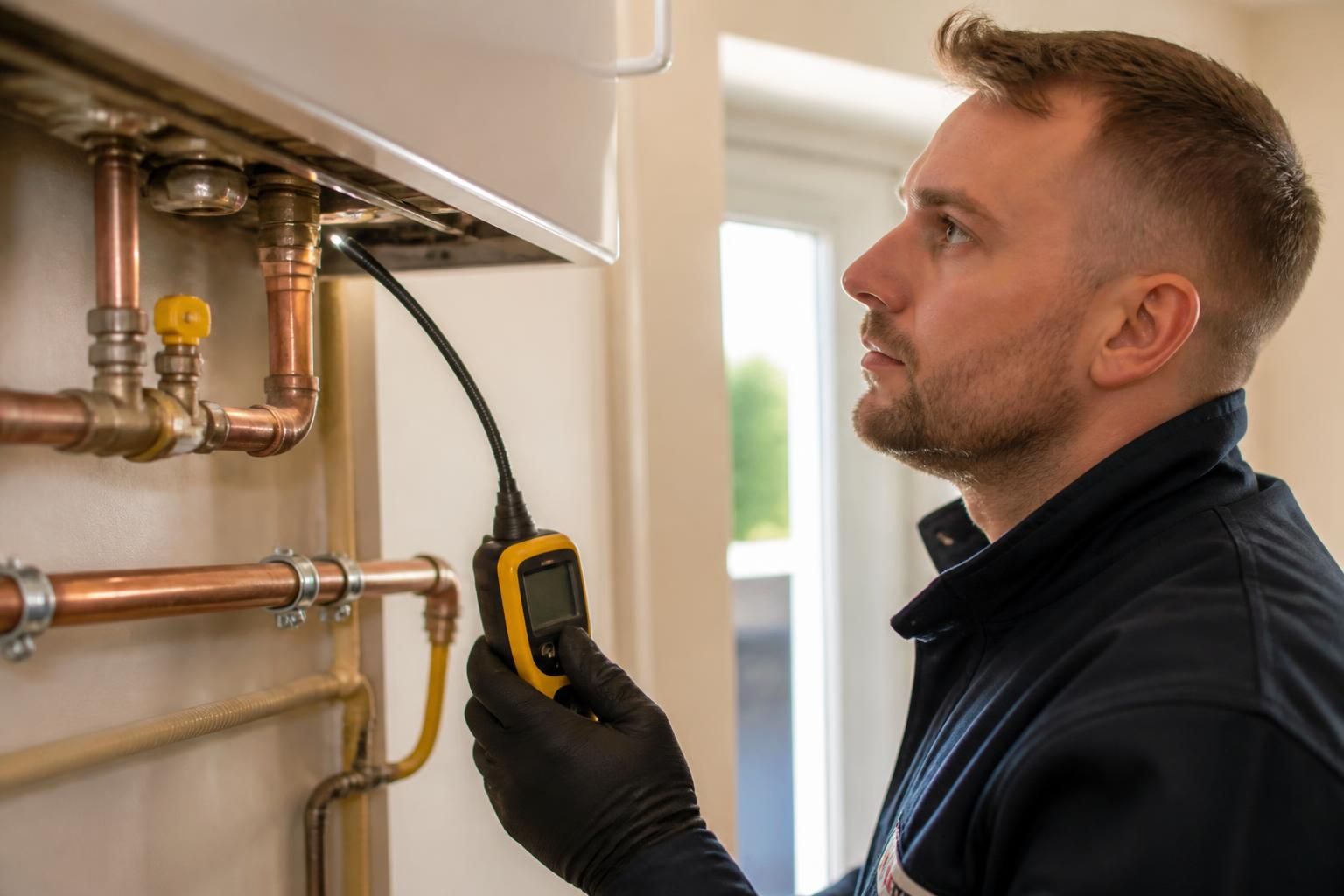
Gas pipework should be replaced when its condition, capacity, routing or compliance can no longer be relied upon. The decision should follow an inspection by a qualified gas engineer, who will assess the complete installation rather than judging the pipe by age or appearance alone.
There is no universal replacement date for domestic gas pipework. Properly installed pipe can remain suitable for many years, while a newer installation may need attention if it has been altered, exposed to damage or installed incorrectly. Age is therefore a reason to arrange an assessment, not by itself proof that replacement is necessary.
- Visible deterioration: heavy surface rust, pitting, flaking, deep scratches, dents or distortion can indicate that the pipe has lost its protective condition.
- Evidence of movement or impact: loose supports, crushed sections, strained joints or pipework affected by building work may make the installation unsafe.
- Repeated repairs: recurring problems at joints or fittings can indicate that replacing a section, or redesigning the route, is more appropriate than continuing with isolated repairs.
- Inadequate support or protection: pipework should be secured and protected where it could be struck, rubbed, exposed to moisture or affected by other work in the property.
- Changes to the gas system: installing or relocating an appliance can alter the required pipe size, route and gas demand. Existing pipework may then be unsuitable even if it previously operated correctly.
- Non-compliant alterations: pipework added or modified without the correct materials, joints, ventilation considerations or clearances may need to be replaced rather than left in place.
A qualified engineer will usually examine accessible pipework, joints, valves, supports and connections, then consider how the installation performs under the demand of the connected appliances. They may also check whether the route remains accessible for inspection and whether it passes through areas where additional protection is required. Where sections are concealed, further investigation may be needed before their condition can be confirmed.
Replacement is not always the only option. A sound installation may need a local repair, a new support, improved protection or a correctly sized extension. In other cases, replacing only the affected section is sufficient. Full replacement becomes more likely where defects are widespread, the route is unsuitable, the pipe is incorrectly sized or previous alterations make the system difficult to verify.
Pipe sizing is particularly important after a boiler, cooker, fire or other gas appliance has been added or upgraded. The pipe must be capable of delivering the required gas volume without creating unsafe operating conditions. An engineer may recommend replacing or re-routing pipework where the existing arrangement cannot support the altered system correctly.
Householders should not scrape corrosion, tighten gas fittings, alter pipe routes or test a suspected fault themselves. Do not use a naked flame to look for escaping gas. If you smell gas or believe the installation is unsafe, avoid operating electrical switches or sources of ignition, leave the area if necessary and seek qualified emergency advice. An engineer can establish whether the issue relates to the fixed pipework, an appliance connection or another part of the installation.
For landlords, replacement may also form part of remedial work identified during a gas safety inspection. A defect should be recorded clearly, and any replacement should be completed and documented by a suitably qualified engineer. Keeping records of the work helps demonstrate what was changed and supports future inspections.
Before work begins, ask the engineer to explain which section requires replacement, why repair is insufficient, how the new route will be protected and what testing will be carried out afterwards. Once installed, the pipework should be checked for soundness and the connected appliances assessed to confirm that the completed system operates safely.