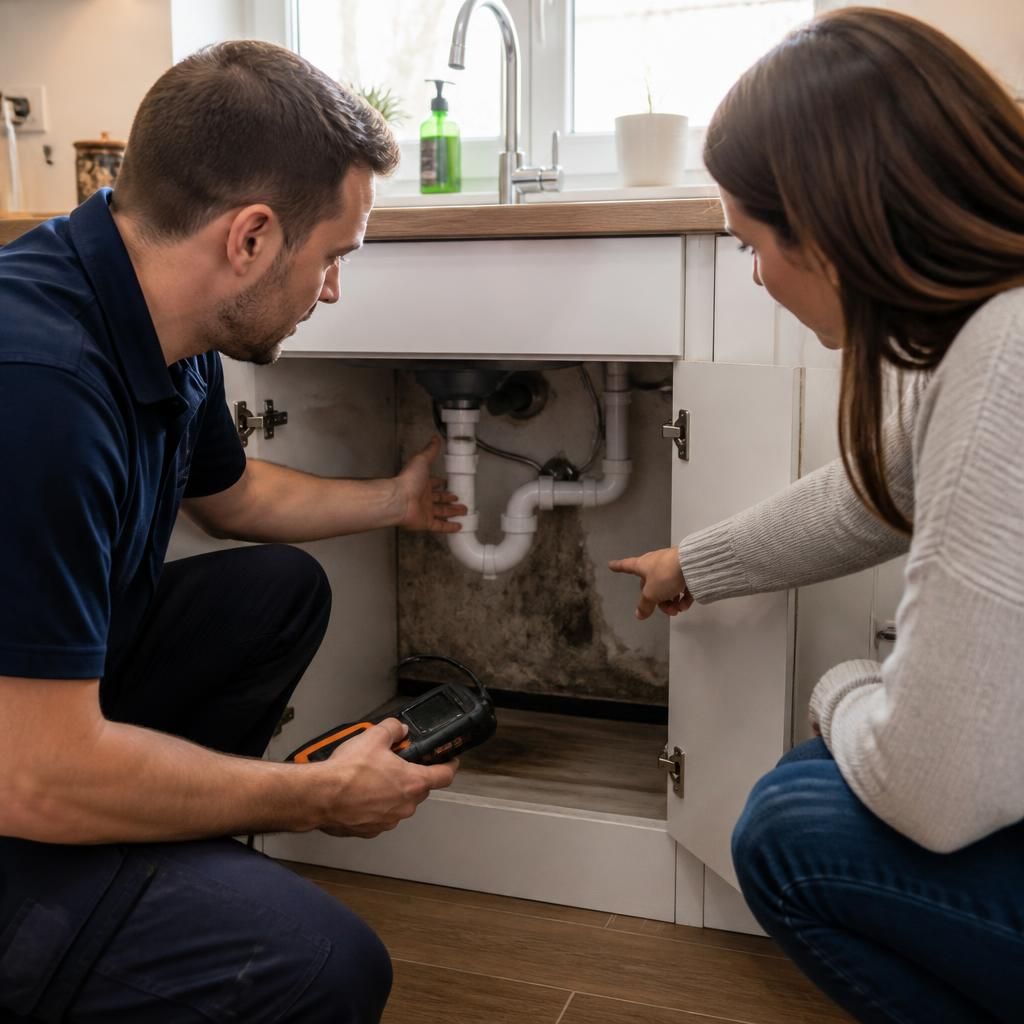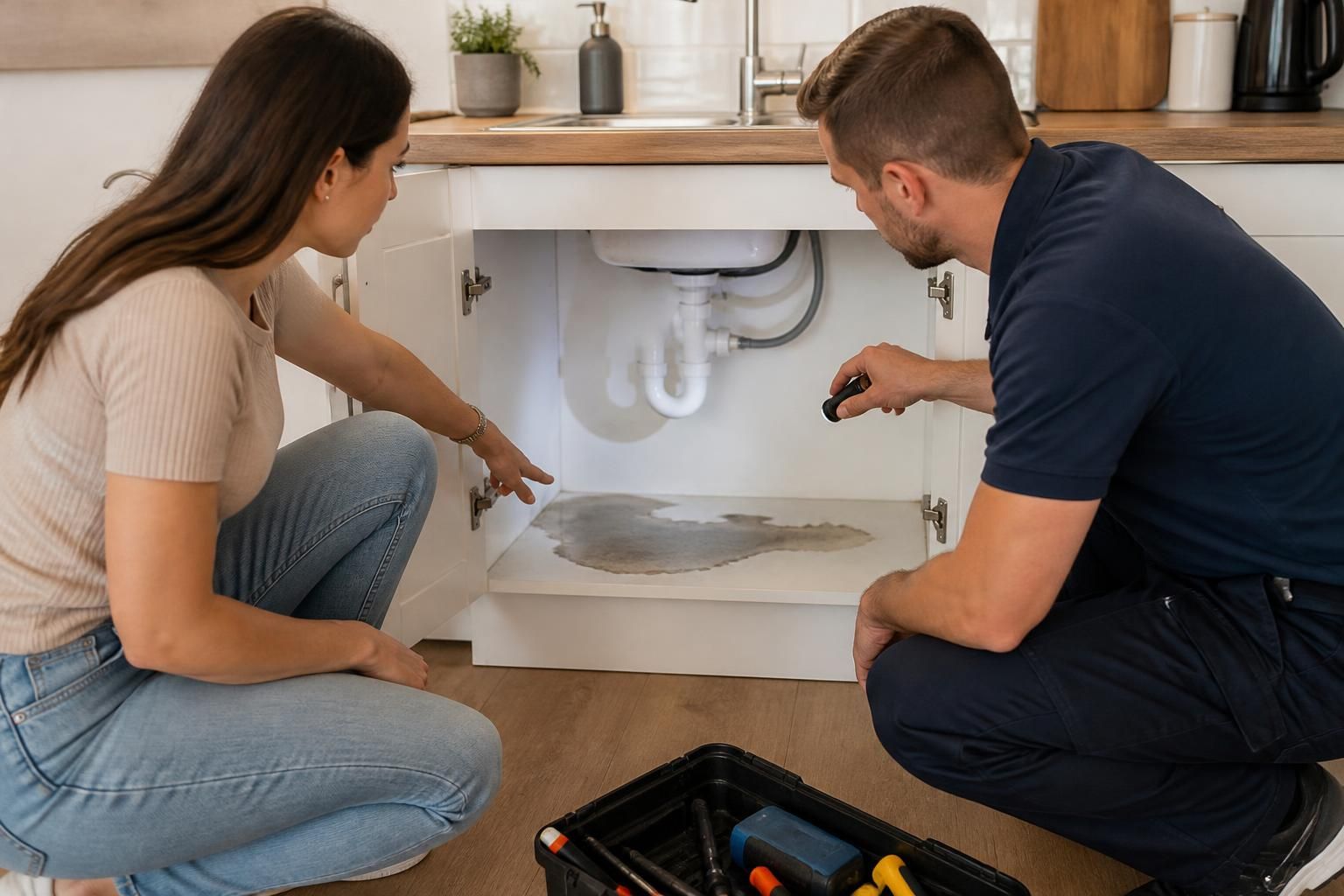
Tenants can arrange professional water leak detection, but they should normally involve the landlord or managing agent before instructing a contractor. The tenancy agreement, the location of the leak and the risk of further damage will usually determine who can authorise the work and who is responsible for the cost.
Notify the landlord or agent as soon as a leak is suspected. Provide a clear description of the symptoms, such as a damp patch, staining, mould, unexplained water use, a drop in pressure or the sound of running water. Photographs and a written record of when the problem was reported can help demonstrate that the issue was raised promptly.
Tenants may need to arrange detection themselves where water is actively damaging the property, the source cannot be identified, or waiting for an inspection could make the problem worse. Check the tenancy agreement first, and ask for written authorisation where circumstances allow. If the situation is urgent, take reasonable steps to limit damage, such as turning off the internal stop tap if it is safe to do so, while keeping the landlord or agent informed.
Responsibility is not determined simply by who books the plumber. A landlord will commonly deal with leaks involving the building, fixed plumbing, heating systems or supplied appliances, whereas a tenant may be responsible where damage resulted from misuse, neglect or an appliance they installed. Leaks affecting communal areas may also need to be reported to a managing agent or building management company. The exact position depends on the tenancy terms and the cause of the leak.
A professional leak detection visit is intended to identify the source rather than rely on guesswork. An engineer may inspect visible pipework and fittings, use moisture readings or thermal imaging, listen for concealed escaping water, and carry out suitable pressure checks. These methods can help narrow down a hidden leak before repair work is planned, although the appropriate approach depends on the property and the plumbing system.
Before the visit, tenants should:
- Tell the engineer where dampness, staining or unusual sounds have appeared.
- Explain whether the problem is constant or linked to using a tap, toilet, shower, heating system or appliance.
- Provide access to affected rooms, cupboards, loft spaces or service areas where permitted.
- Keep photographs, inspection reports and messages sent to the landlord or agent.
- Ask whether the inspection fee is payable by the tenant and obtain approval before any follow-on repair is started.
Do not conceal or remove evidence of the leak before it has been assessed. Avoid using affected electrical fittings, and do not enter areas where water has reached electrical equipment. If the leak is near wiring or the ceiling appears unsafe, leave the area and follow the landlord's emergency instructions.
If a tenant appoints a plumber without the required permission, reimbursement may be disputed even when the leak was genuine. For that reason, confirm who is authorising the visit, what the inspection covers and whether the charge includes only diagnosis or also any repair work. A written report can then be shared with the landlord, agent or insurer to support the next decision.
Ideal Plumbing Services provides professional water leak detection and plumbing repairs for residential customers in Birmingham and the wider West Midlands. Tenants can explain the symptoms when making an enquiry, while the landlord or managing agent can confirm access and payment arrangements.