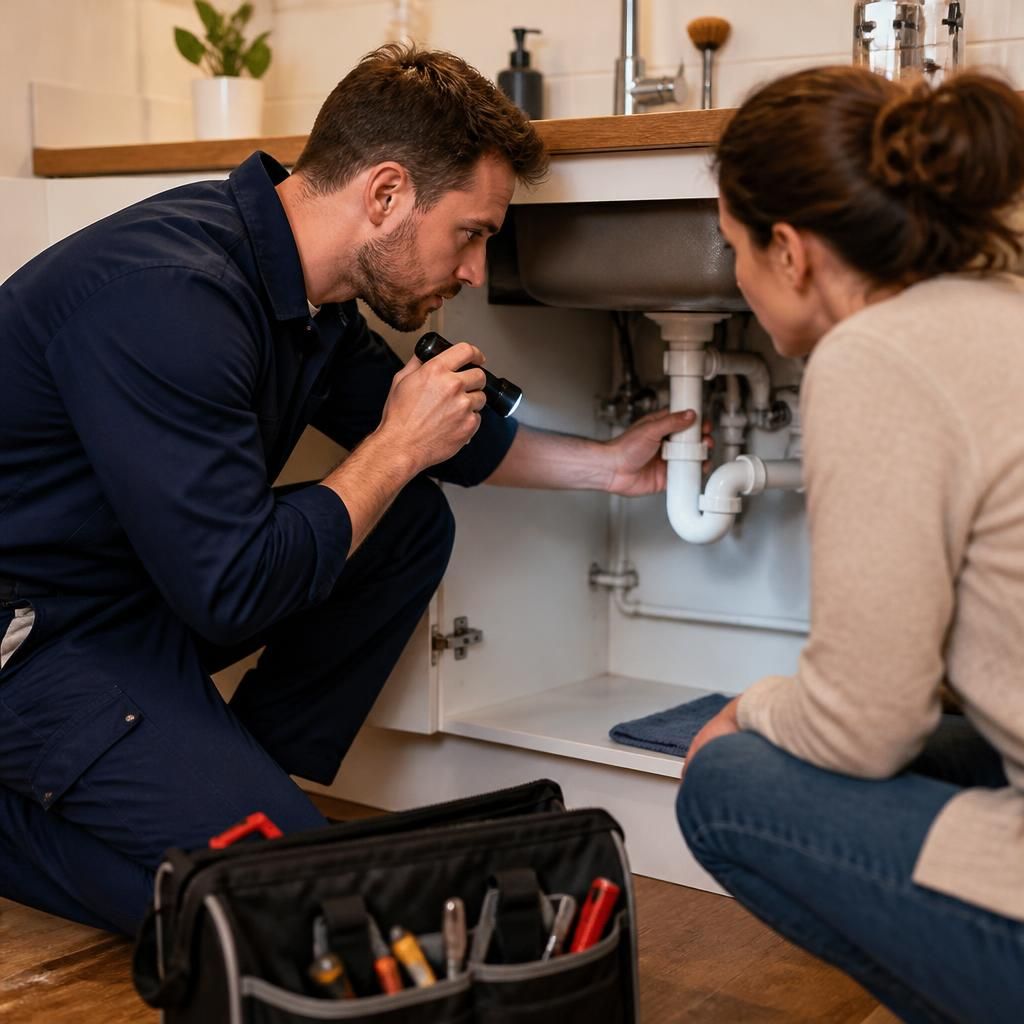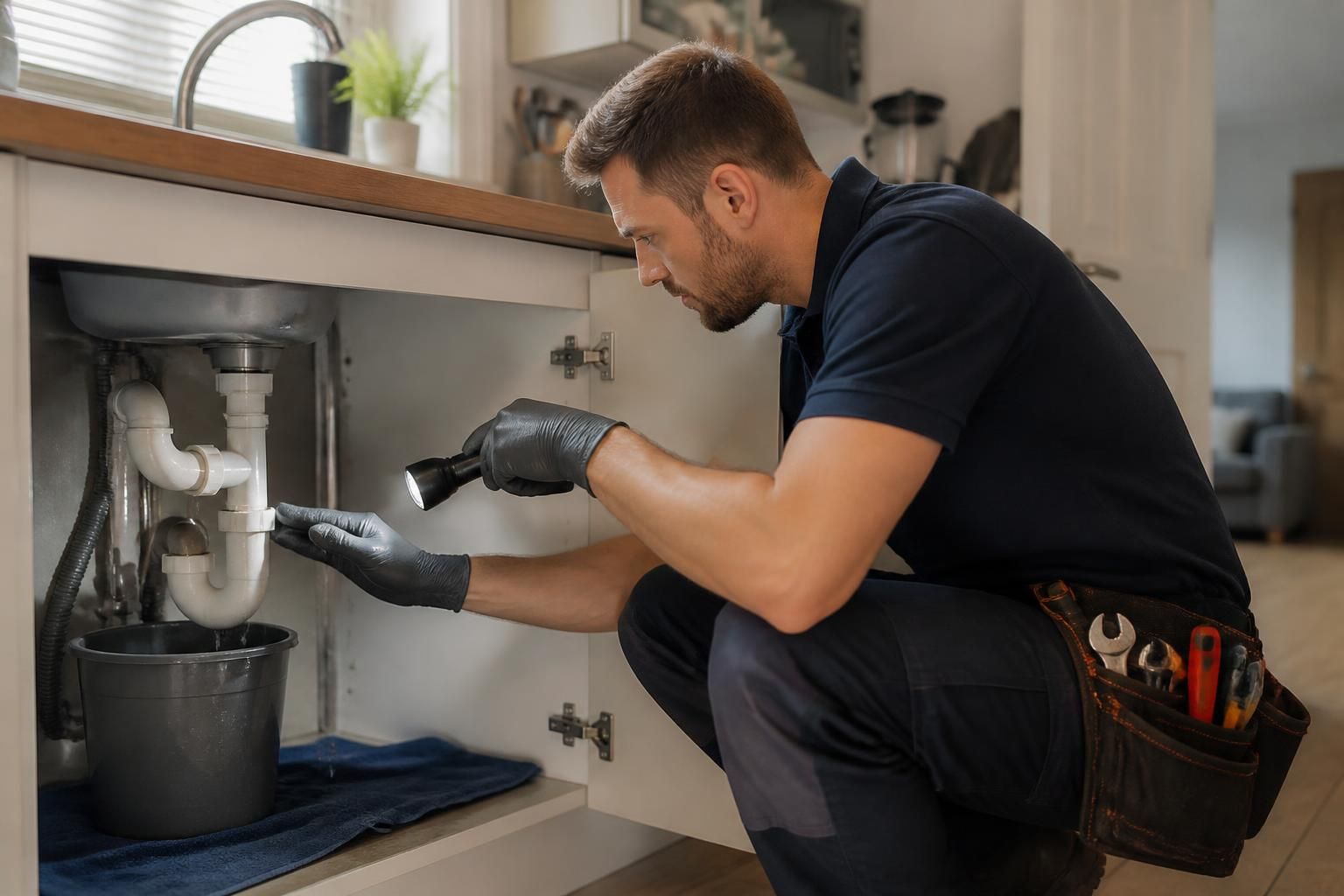
A same-day emergency plumber can work in a rented property where the repair is necessary to protect the building, prevent further damage or restore an essential service. The main issue is usually not whether a plumber may enter, but who has authority to instruct the work and who is responsible for paying for it.
In most tenancies, the landlord is responsible for repairing plumbing installations and fixed services supplied with the property. This commonly includes leaking or burst pipes, blocked or damaged toilets, faulty water tanks, leaks beneath sinks, and problems affecting the property’s water supply. The tenancy agreement may set out the reporting procedure and explain whether the landlord, letting agent or a nominated contractor should be contacted.
Tenants should check their agreement and report the problem through the specified channel. Give a clear description of the fault, explain any immediate risk and provide photographs or video where this can be done safely. Written communication creates a useful record of when the issue was reported and what instructions were given.
- For a non-urgent fault: wait for the landlord or managing agent to authorise the contractor before arranging work yourself.
- For active water escape or serious damage: take reasonable steps to limit the risk, such as turning off the water supply if it is safe to do so, while contacting the responsible party.
- If the responsible party cannot be reached: keep records of attempted calls and messages, and ask the plumber to assess and document the immediate work required.
- Before work starts: confirm what is being repaired, whether only temporary work is proposed, and who has agreed to the charge.
A tenant should not normally authorise improvements, replacement installations or non-essential work without the landlord’s consent. An emergency repair is different from an upgrade: stopping a leak or making a dangerous installation safe may be necessary, whereas replacing a serviceable fitting with a preferred alternative is more likely to require specific approval.
Payment depends on the cause of the problem, the tenancy terms and any agreement reached before the work. A landlord will generally deal with faults arising from the property’s plumbing systems, while a tenant may be responsible where damage resulted from misuse, neglect or an action such as forcing a fitting. A tenant who arranges work without following the reporting procedure may also face difficulty recovering the cost, even where the repair itself was reasonable.
Ask for an itemised description of the work and retain the invoice, photographs, written approval and any parts or reports supplied. If the plumber finds that the issue is connected to a neighbouring property or a shared building system, the landlord or managing agent may need to coordinate access and further repairs rather than treating it as an isolated fault within the rented home.
Access should also be managed carefully. The tenant can explain where the problem is located and identify any isolation valves, but should not be expected to permit unnecessary work. For planned access, the landlord or agent should arrange entry in accordance with the tenancy and applicable legal requirements. In a genuine plumbing emergency, the need to prevent serious damage can affect how access is arranged, but communication and a written record remain important.
Before the plumber leaves, check that the affected area is safe and that you understand any temporary measures, restrictions or follow-up work recommended. Report unresolved problems to the landlord or agent rather than allowing repeated temporary repairs to continue without investigation. This helps establish whether the rented property needs a more extensive plumbing repair rather than another isolated call-out.
Where responsibility or reimbursement is disputed, keep the evidence together and use the tenancy’s complaints process first. Relevant documents include the tenancy agreement, inspection notes, messages, call logs, photographs, invoices and the plumber’s findings. For serious damage, also notify any contents or buildings insurer as required by the policy.