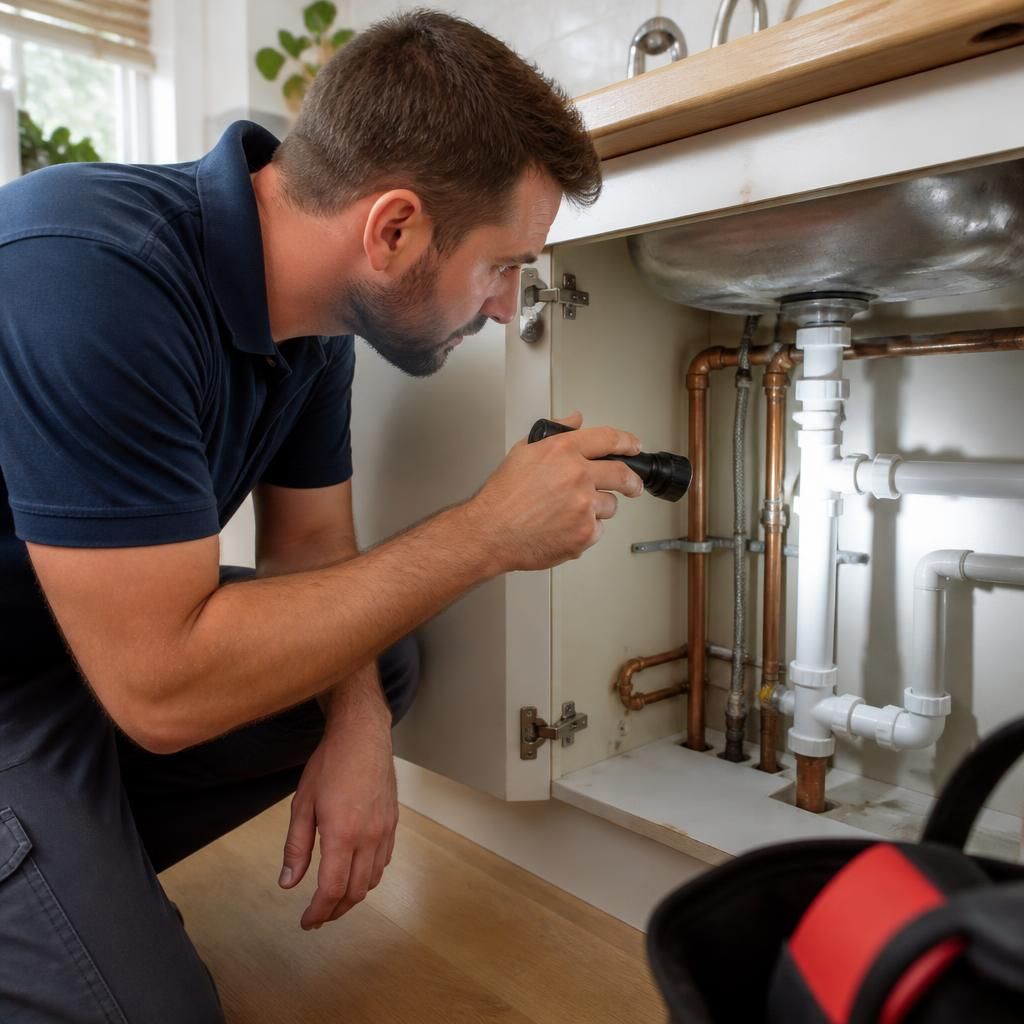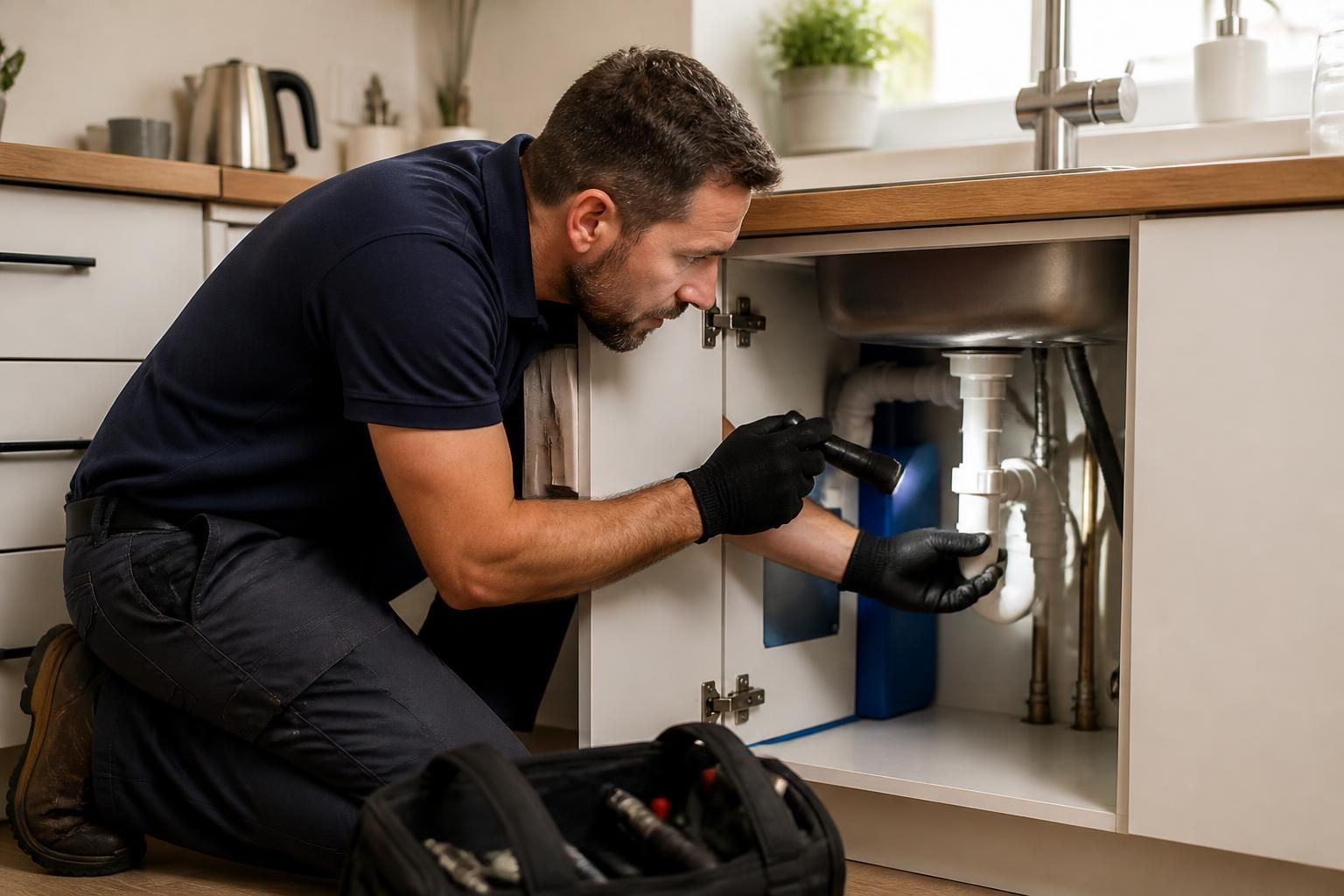
Same-day emergency plumbing usually causes limited, localised disruption when the fault can be reached without opening walls or floors. The main interruption is typically to the affected fixture or water supply while the plumber identifies the cause, carries out a safe repair and checks that the problem has been resolved. More intrusive work may be necessary where a pipe is concealed, a fitting is badly damaged or water has affected surrounding materials.
The amount of disturbance depends on several practical factors:
- Location of the fault: A leak beneath a sink, behind a toilet or at an exposed connection is generally easier to reach than one beneath flooring, inside a wall or below a fitted unit.
- Type of failure: Replacing a valve, seal, tap connection or accessible section of pipe may be relatively contained. A burst pipe, persistent blockage or failed waste connection can require more investigation and removal of nearby materials.
- Condition of existing fittings: Corroded, seized or previously altered components can take longer to remove safely. The plumber may need to protect adjacent fittings rather than force a connection and risk further damage.
- Extent of water damage: If water has reached cabinets, flooring, plaster or insulation, plumbing repairs may stop the source without fully restoring those building materials. Drying, cleaning and associated restoration may need separate attention.
Before work begins, the plumber will normally assess the safest way to reach the fault and protect the surrounding area. This can include using covers, moving items away from the work zone and working through an existing access panel where one is available. Removing a small section of boxing, flooring or cabinet backing may be considered only when it is needed to inspect or repair the pipework.
Water isolation can temporarily affect more than the faulty fitting, particularly where a property has one main supply valve rather than separate isolation valves for individual appliances. During this period, occupants may need to avoid using taps, toilets, showers or water-fed appliances until the repair has been tested. In a rented property, the tenant should follow any instructions given by the plumber and notify the landlord or managing agent about damage that extends beyond the plumbing component itself.
A straightforward repair usually leaves the surrounding room usable, although the repaired fitting may need to remain undisturbed while connections are checked. If access requires removal of a panel or floor covering, the plumber should explain what has to be moved and whether it can be reinstated as part of the plumbing work. Permanent decorative repairs, such as repainting, replacing damaged flooring or repairing plaster, may fall outside the plumbing service.
Testing is an important part of the visit because stopping visible water is not always enough to confirm that the underlying problem has been corrected. The repaired area may be checked for further leakage, drainage may be tested for proper flow, and isolated appliances or fixtures may be returned to service carefully. Any unusual noise, continuing dampness or recurring loss of pressure should be reported rather than treated as normal after the repair.
To reduce avoidable disruption, clear access to the affected area and remove personal items from nearby cupboards or floors before the plumber arrives. If water is escaping, protect belongings from further exposure where it is safe to do so, but do not dismantle fittings or enter areas affected by electrical equipment. Keeping details of when the fault started, what has already been isolated and whether the problem changes when a fixture is used can also help with diagnosis.
Ideal Plumbing Services provides residential plumbing repairs for homeowners, landlords and tenants in Birmingham and the wider West Midlands. The work is approached with attention to the source of the fault, the condition of surrounding fittings and the need to keep disturbance proportionate to the repair required.