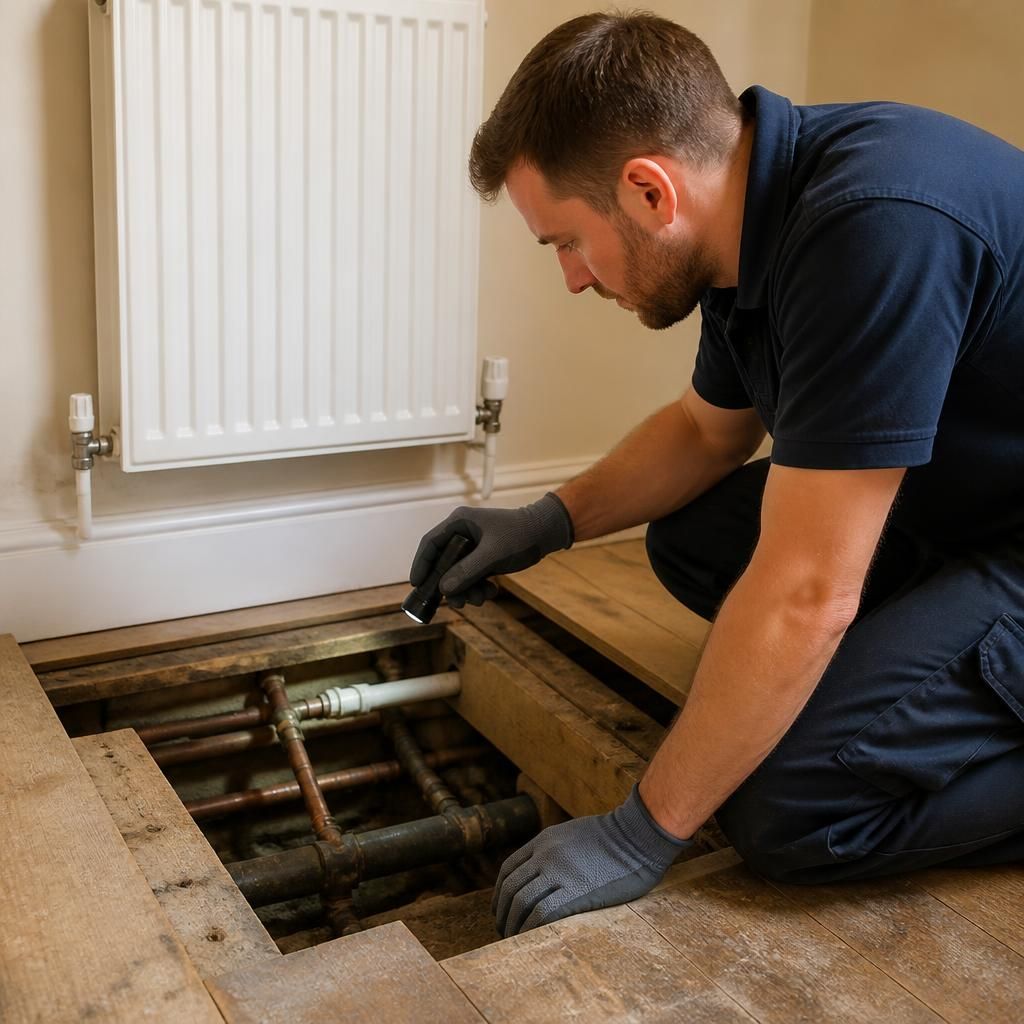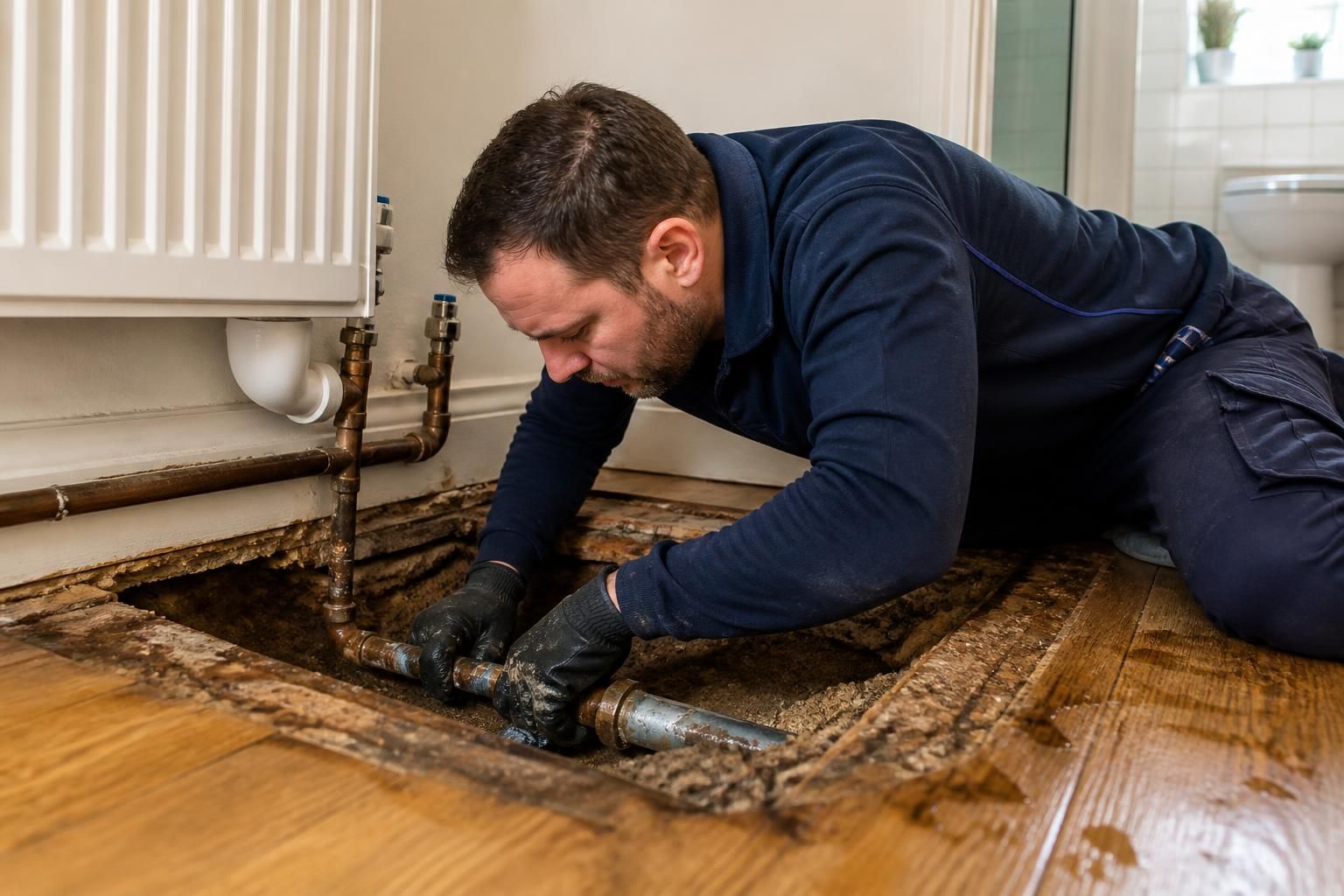
Yes. A burst water main can be repaired at a rented property, but the correct process depends on the pipe’s location, ownership and cause of failure. In most cases, a landlord is responsible for maintaining the property’s fixed water installations, while the water company is responsible for its public network. A tenant may be responsible only where the tenancy agreement, negligence or accidental damage makes that appropriate.
Private supply pipe or public water main? The term “water main” is often used for different sections of the supply:
- Public water main: this is normally located in the highway or another shared area and is maintained by the relevant water company.
- Private supply pipe: this carries water from the public main towards the property and may run beneath a garden, driveway or communal area. Responsibility can depend on the ownership arrangement and the point at which the supply serves the property.
- Internal plumbing: pipework inside the building, including the incoming stop tap and connected fittings, will generally form part of the rented property’s plumbing installation.
Identifying the exact section is important because it determines who should arrange the repair and who may ultimately pay for it. A plumber can help trace the leak, establish whether the damaged pipe is on the property side of the supply and advise whether the water company also needs to be contacted.
What is usually the landlord’s responsibility? Landlords are generally expected to keep the property’s water and sanitation installations in proper working order. This commonly includes fixed pipework, stop taps and other plumbing serving the rented home. A burst pipe that results from age, corrosion, ground movement, defective installation or ordinary wear will not usually be treated as the tenant’s fault.
The landlord or managing agent may need to arrange:
- isolation of the water supply;
- water leak detection to locate the failed section;
- excavation where an underground private pipe must be reached;
- replacement or repair of the damaged pipe;
- testing for further leaks and restoring the affected area; and
- checks for water damage to floors, walls, ceilings or fitted units.
If the leak has affected neighbouring premises or a shared supply, the landlord may also need to coordinate access and repair arrangements with the freeholder, managing agent or other occupiers.
When could the tenant be liable? A tenant may have some responsibility if the damage was caused by an avoidable action, unauthorised alteration or failure to report a known defect. For example, drilling into concealed pipework, interfering with a stop tap or ignoring clear signs of a developing leak could lead to a dispute about repair costs. Liability should not be assumed merely because the burst occurred during a tenancy; the cause and the terms of the tenancy agreement matter.
Tenants should avoid authorising major works themselves unless the landlord, managing agent or an appropriate emergency arrangement permits this. Keep photographs, videos, plumber’s findings and invoices, as these records can help establish what happened and support an insurance or deposit discussion.
What should happen if water is escaping? The priority is to reduce further damage without putting anyone at risk. If it is safe and accessible, turn off the property’s internal stop tap and move belongings away from the affected area. Do not operate electrical equipment in standing water. Report the issue through the landlord’s stated repair route and give clear information about the location of the leak, whether the water can be isolated and which rooms or neighbouring properties are affected.
A plumber may first carry out a non-invasive assessment before recommending repair. If the failed pipe is underground, leak detection equipment can help narrow down the location and reduce unnecessary excavation. The repair may involve replacing a section of pipe, renewing a longer run where the material is extensively damaged, or installing a new supply route where the existing one cannot be reliably repaired.
Access and repair arrangements Landlords normally need reasonable access to inspect and maintain rented premises, subject to the applicable tenancy terms and legal requirements. Tenants should agree a suitable appointment and explain any access restrictions, pets or shared-entry arrangements. Where a leak presents an immediate risk of serious property damage, the landlord or contractor may need to follow the appropriate emergency access procedure.
Repairs should restore a dependable water supply and address consequential damage rather than simply covering the visible wet patch. After the plumbing work, the repaired section should be checked for leaks, the water pressure assessed where relevant and affected building materials allowed to dry properly. Persistent damp can create additional problems if it is not dealt with after the source of the leak has been fixed.
For a rented property in Birmingham or elsewhere in the West Midlands, Ideal Plumbing Services can investigate suspected private supply pipe and burst water main problems, explain the likely repair options and provide professional plumbing repairs for residential customers. The landlord or managing agent should remain involved where the property owner’s approval or payment authority is required.