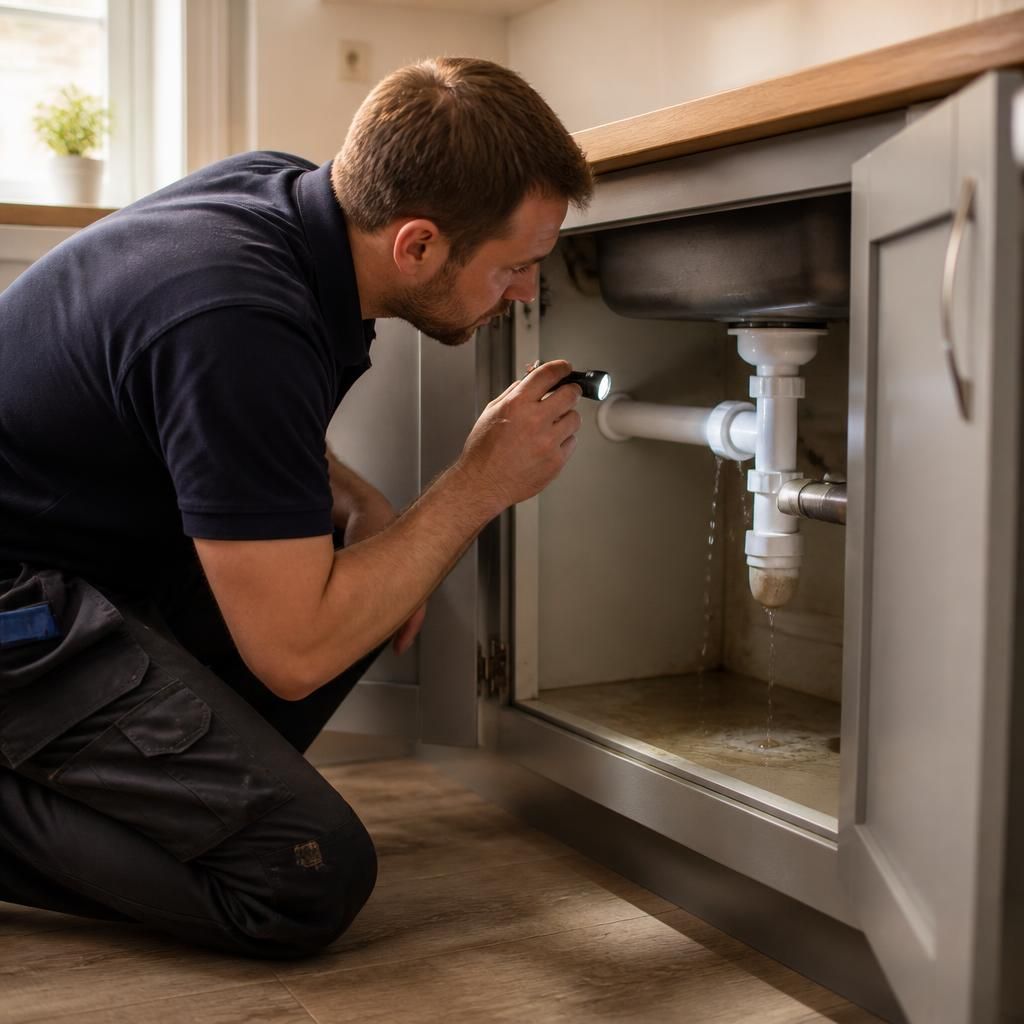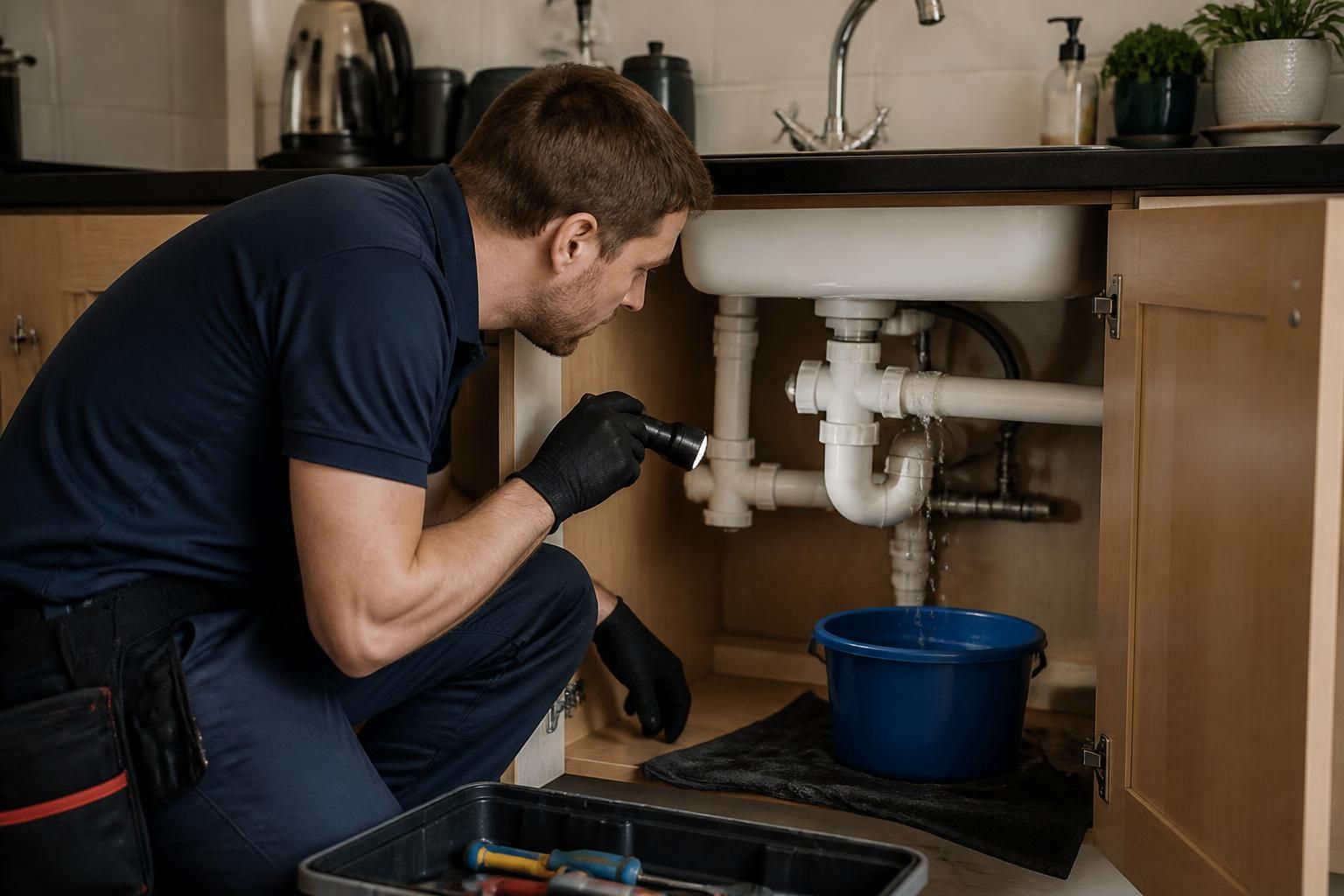
Emergency burst pipe repair for a rented property involves two separate considerations: stopping the immediate water escape and establishing who is responsible for authorising and paying for the permanent repair. Either a landlord or tenant may contact a plumber to protect the property, but the tenancy agreement and the circumstances of the incident should guide the next steps.
What tenants should do
- Turn off the internal stop tap if it is safe to do so, and avoid electrical equipment or exposed wiring near standing water.
- Move belongings away from the affected area where possible, without entering unsafe spaces or disturbing damaged fixtures unnecessarily.
- Contact the landlord, managing agent or nominated maintenance service and explain whether water is still escaping.
- Take photographs or video of the damage and keep records of calls, messages and any instructions received.
A tenant should not normally arrange extensive works without approval if the issue is not immediately dangerous, as the landlord may have a preferred contractor or need to claim through buildings insurance. If the leak is causing continuing damage and the responsible contact cannot be reached, the tenant should use reasonable judgement to limit the damage and retain evidence of the problem and the steps taken.
What landlords and agents should confirm
- The property address, access arrangements and the tenant’s contact details.
- Whether the water supply has been isolated and which areas have been affected.
- Whether the pipe is accessible or concealed behind a wall, ceiling, floor or fitted unit.
- Any known details about the plumbing system, previous repairs or restrictions on access.
- Who can approve additional work if opening-up, drying or making good is required.
For a landlord, the first visit may involve locating the leak, isolating the affected supply, assessing the extent of damage and carrying out a temporary or permanent repair, depending on the condition and accessibility of the pipe. A plumber should explain what has been found before work goes beyond the initial repair, particularly where flooring, plasterboard or fitted furniture may need to be removed.
What to provide when arranging the repair
Useful information includes the type of property, the room affected, the apparent source of the water, whether the leak is still active, and whether the stop tap has been closed. It is also important to mention vulnerable occupants, restricted parking, locked communal entrances, pets and any access instructions. Clear information helps the plumber prepare for the assessment and avoids delays caused by being unable to enter the property.
The person booking the work should ask how the charge will be handled and whether the initial attendance, parts and any further work are priced separately. The tenant, landlord or agent can then agree responsibility between themselves rather than leaving payment arrangements unclear. Ideal Plumbing Services provides emergency burst pipe repair for residential properties, with repair work explained before it proceeds and no hidden charges.
Where water has reached ceilings, flooring, insulation or electrical installations, plumbing repair alone may not resolve every consequence. The landlord or tenant may also need to notify an insurer, arrange electrical checks or organise drying and reinstatement work. Keeping photographs, invoices and the plumber’s findings can support those later discussions.