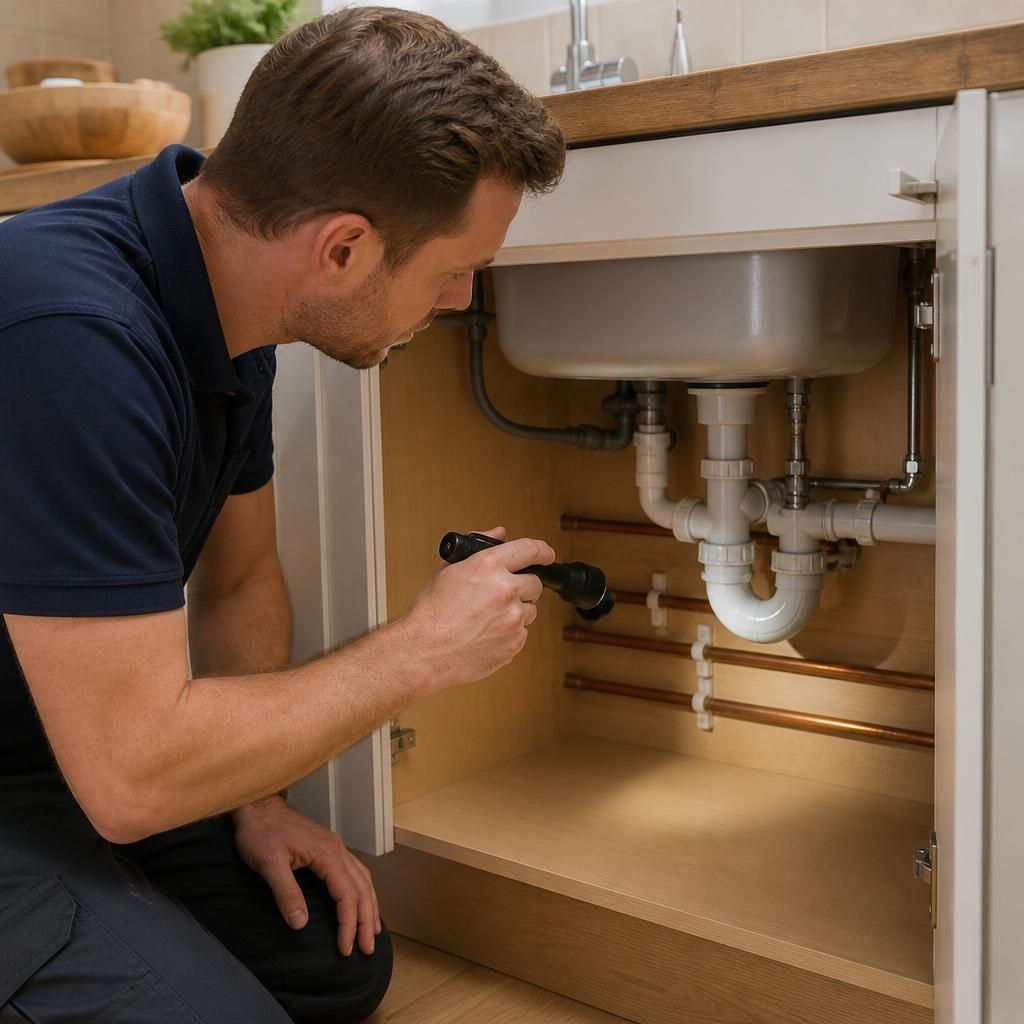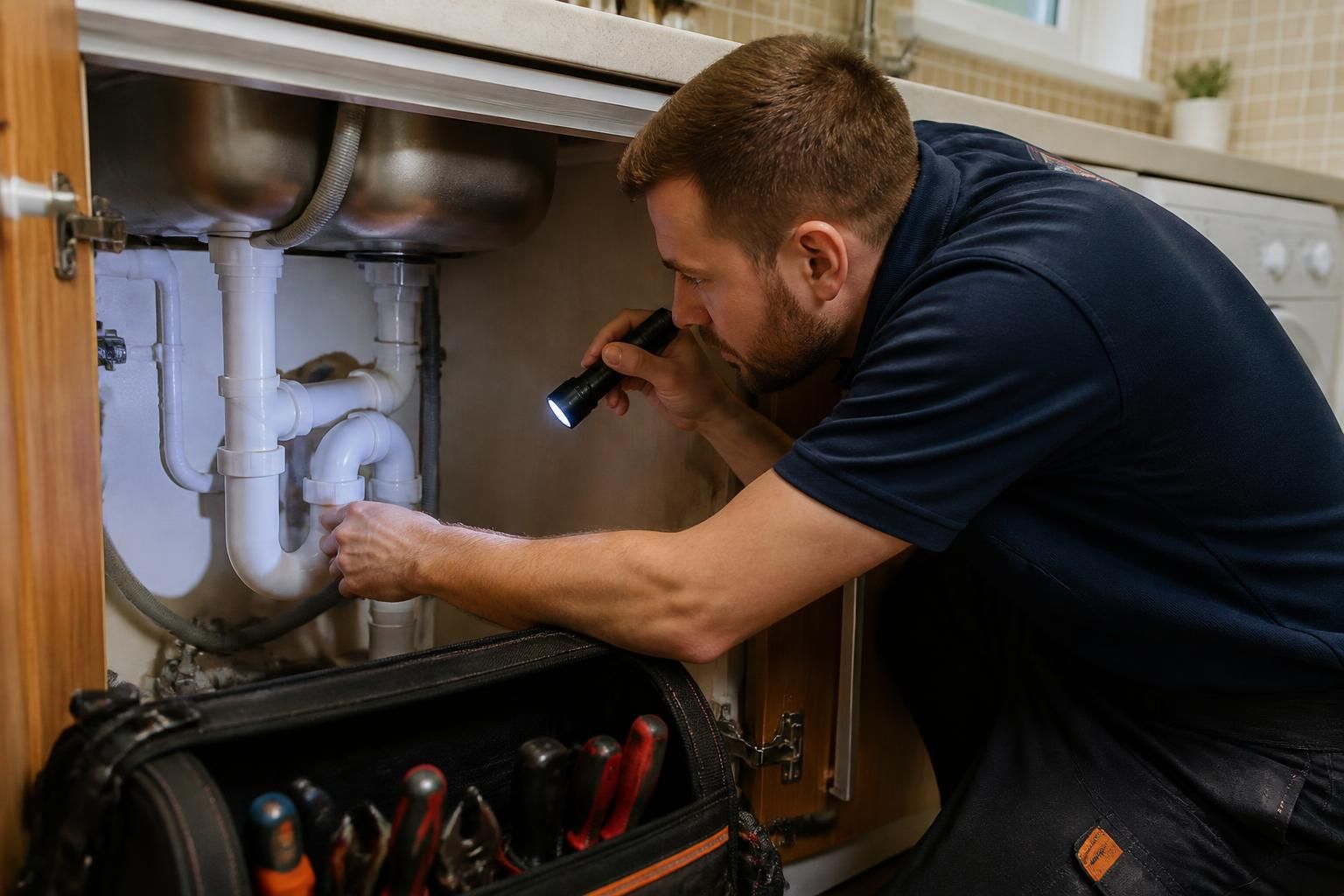
The plumber generally needs access to two points: the valve or stopcock that controls the affected water supply, and enough of the pipework to inspect the failure, dry the area and complete a sound repair. The exact requirement depends on where the pipe has burst, whether it is visible, and how the surrounding building materials are fixed.
Access to the water supply
Before work begins, the plumber may need to reach the internal stopcock, a local isolation valve or another control serving the affected appliance or section of plumbing. These may be located beneath a sink, behind a removable panel, near a water meter or close to a tank or heating appliance. If the valve is difficult to operate, access to the relevant room and any items positioned in front of it will be necessary.
In flats, rented properties and buildings with more than one dwelling, the supply may also involve a shared isolation point. The plumber may need access to a communal cupboard or service area, subject to the appropriate permission.
Access for inspection
The visible water may not be at the point where the pipe has failed. Water can travel along joists, behind plasterboard or beneath finishes before appearing as a stain, drip or pool. The plumber therefore needs room to trace the route, assess surrounding pipework and identify whether the damage is limited to one joint or affects a longer section.
Initial checks may be possible through existing openings or removable fittings, reducing the need to disturb finished surfaces. If the failed section cannot be reached safely or accurately in this way, a small opening may be required. The extent of any opening should be based on the pipe route and the working room needed to cut, join, secure and test the replacement section.
Room to carry out the repair
Finding the pipe is only part of the work. The plumber also needs sufficient space to use tools, remove damaged material, fit new components and check that joints are properly supported. Restricted spaces can make a repair impractical even when the pipe itself is visible, particularly where pipework is close to structural timbers, electrical cables or other services.
Where access is through a kitchen, bathroom, utility area or storage space, move loose belongings and non-fixed items away from the work zone before the visit. This helps protect possessions from water and gives the plumber a safer working area. Heavy fitted units or built-in finishes should not be dismantled without advice, as removing them unnecessarily can create additional damage.
Information and permissions that may be needed
- Explain when and where the first signs of the burst appeared, including any changes in pressure, staining or noise.
- Identify the location of the stopcock, isolation valves and water meter if known.
- Tell the plumber about previous alterations, unusual pipe routes or areas that have already been opened.
- Arrange permission before work begins if the pipe is in a landlord-controlled area, a communal space or a neighbouring property.
- Make the affected rooms accessible and keep children and pets away from wet or exposed areas.
Safety considerations
If water has reached sockets, light fittings, appliances or other electrical equipment, avoid entering the affected area until it is safe to do so. Do not remove fixed coverings or cut into walls and ceilings simply to search for the leak. Hidden electrical cables, structural elements and other services may be present. Older properties may also contain materials that require specialist handling, so suspected hazardous materials should not be disturbed during an emergency repair.
After the pipe has been repaired, the area may need to remain accessible while the system is refilled and checked for further leakage. Any damaged plaster, flooring, cabinetry or decoration is a separate making-good issue unless specifically included in the agreed work. Taking photographs before access is created can help record the condition of the area and clarify which finishes were affected by the leak.