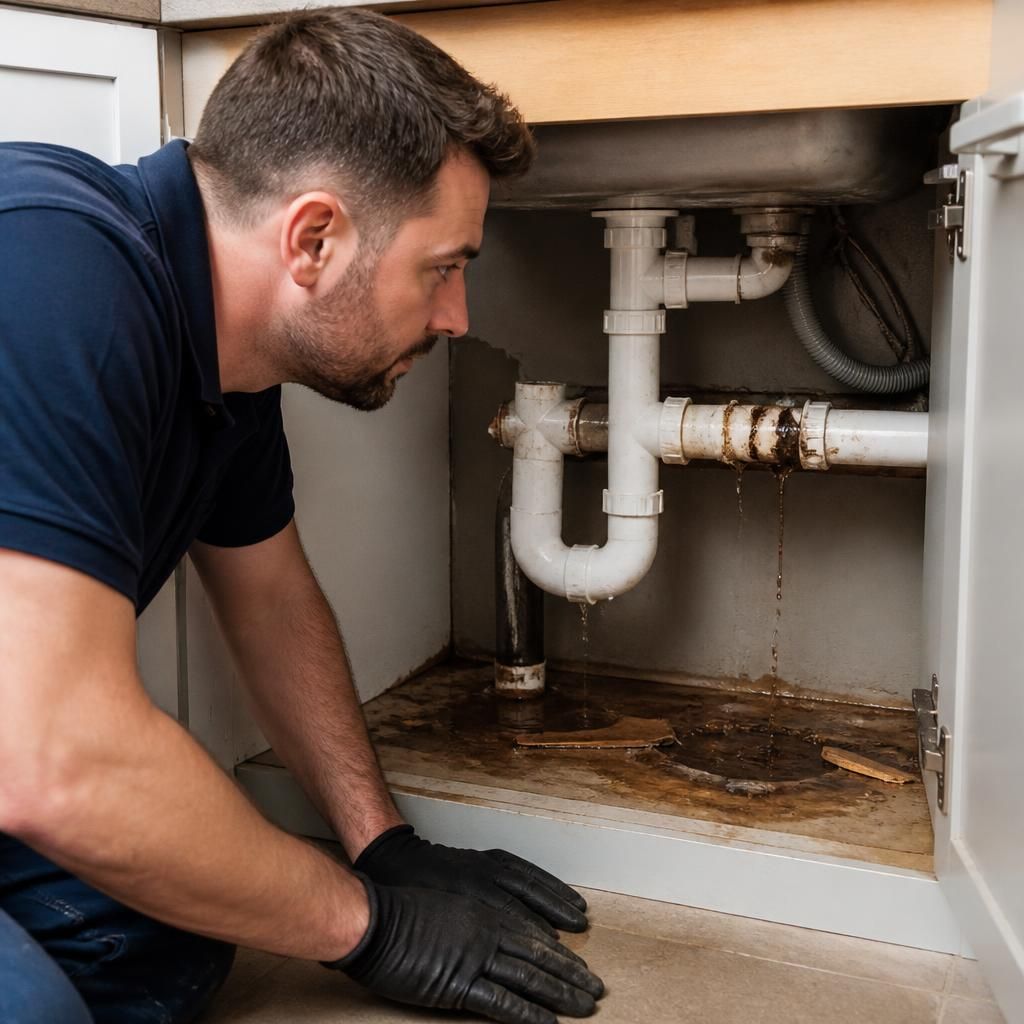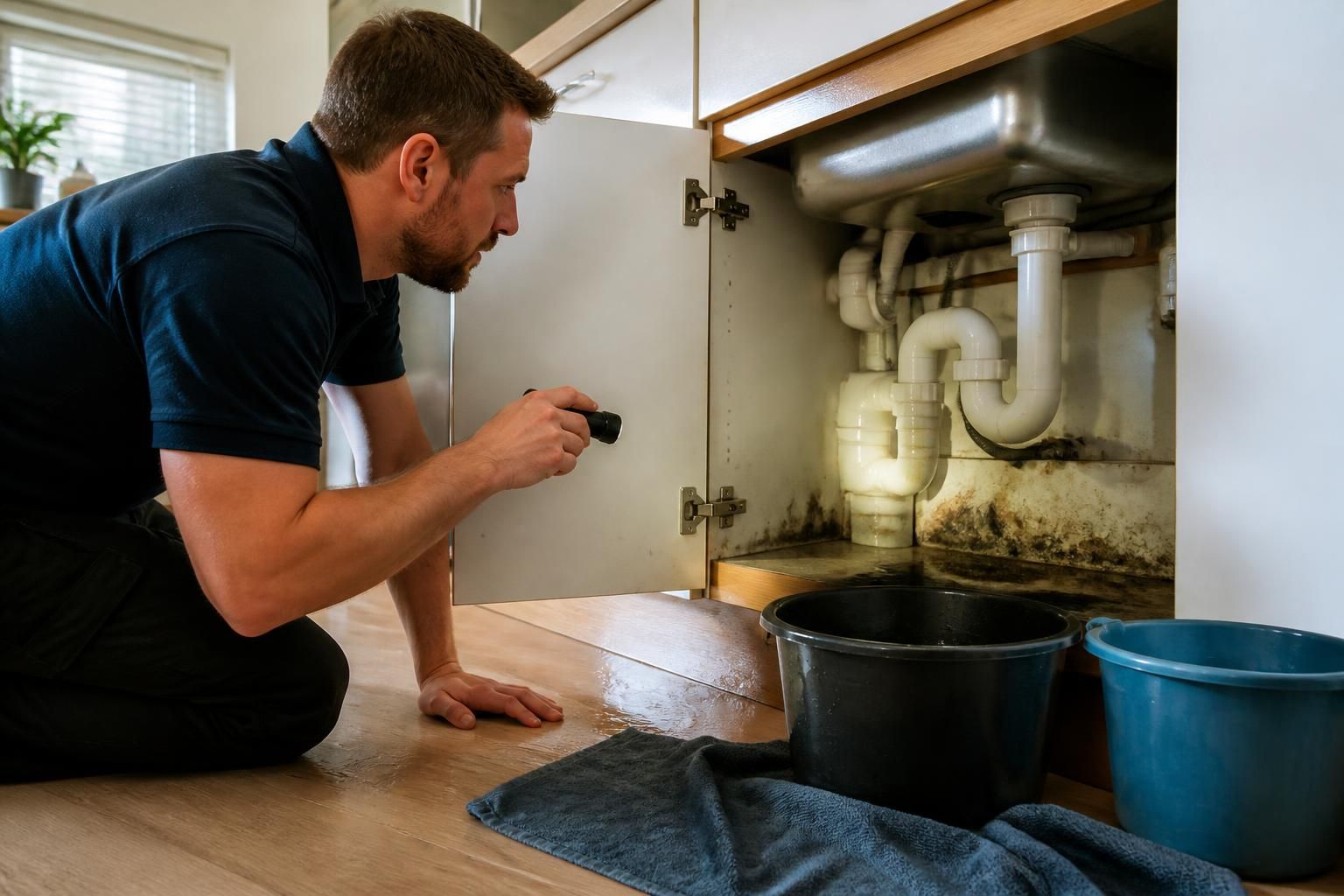
Before a burst pipe repair visit, gather accurate information about the leak, protect important records and arrange safe access to the affected plumbing. Good preparation helps the plumber identify the likely cause, understand the extent of the damage and decide whether a local repair or further investigation is needed.
Contact the relevant people
- Tell the property owner, landlord or managing agent if you rent the property.
- Contact your buildings or contents insurer if the damage may be covered. Ask whether they require photographs, an approved contractor or an inspection before damaged materials are removed.
- If the pipe serves a neighbouring property, communal area or shared system, notify the responsible building manager or property owner.
Record useful information
Make a brief note of when the problem was first noticed and what happened beforehand. Include whether the water was constant or intermittent, which outlets or appliances were in use, and whether the leak changes when taps, toilets or heating are operated. This information can help distinguish a supply-pipe leak from a problem with a fixture, appliance or central-heating circuit.
Also note any previous repairs, alterations or recurring damp patches in the same area. If the pipe is visible, record its approximate position and material without removing coverings or attempting to expose it yourself. Keep photographs, repair records and insurance correspondence together so they are available during the visit.
Prepare for possible heating-system leaks
A pipe carrying heating water needs to be treated differently from a mains water pipe. If the suspected leak is connected to radiators, underfloor heating or the boiler, tell the plumber that when arranging the visit. If it is safe and you know how to do so, stop using the heating system until it has been assessed; do not remove boiler panels, bleed radiators or drain the system unless a qualified professional has instructed you.
Keep the area safe and suitable for inspection
- Keep children and pets away from damp flooring, ceilings and exposed pipework.
- Do not use damaged plumbing fixtures or electrical appliances until their condition has been assessed.
- Keep any loose belongings, rugs and furniture separate from wet building materials so they can dry safely.
- Make sure the plumber can reach relevant rooms, cupboards, loft spaces or service areas without needing to move heavy furniture.
Do not cut into walls, lift flooring or remove boxing in advance. Concealed leaks can run away from the point where water first appears, and unnecessary disturbance may increase damage or make it harder to identify the original source.
Prepare details about the property
Have the location of the affected room, the position of bathrooms and kitchens, and any known pipe routes ready to explain. If the property has a water meter, stopcock, tank, boiler or other equipment linked to the plumbing, point out its general location without operating unfamiliar controls. Tell the plumber about restricted areas, fragile finishes and any known asbestos concerns before inspection or removal work begins.
It is also useful to explain what outcome you need from the visit. A repair may involve replacing a damaged section, renewing a fitting, opening a concealed area for access or arranging additional drying and building work. Asking whether the proposed work is a temporary containment measure or a permanent repair helps you understand the next steps and any further trades that may be needed.
Questions to ask before work begins
- What is the suspected source of the leak?
- Will the repair require access through a wall, ceiling, floor or cupboard?
- Could the pipe be part of the heating system rather than the mains supply?
- Will any water-damaged materials need separate removal or drying?
- What testing will be carried out after the repair?
- Will the work affect another room, appliance or neighbouring property?
Ideal Plumbing Services provides burst pipe assessment and repair for homeowners, landlords and tenants in Birmingham and across the wider West Midlands. Giving clear information before the visit allows the plumber to plan the inspection properly and explain the repair options based on the actual condition of the pipe and surrounding area.