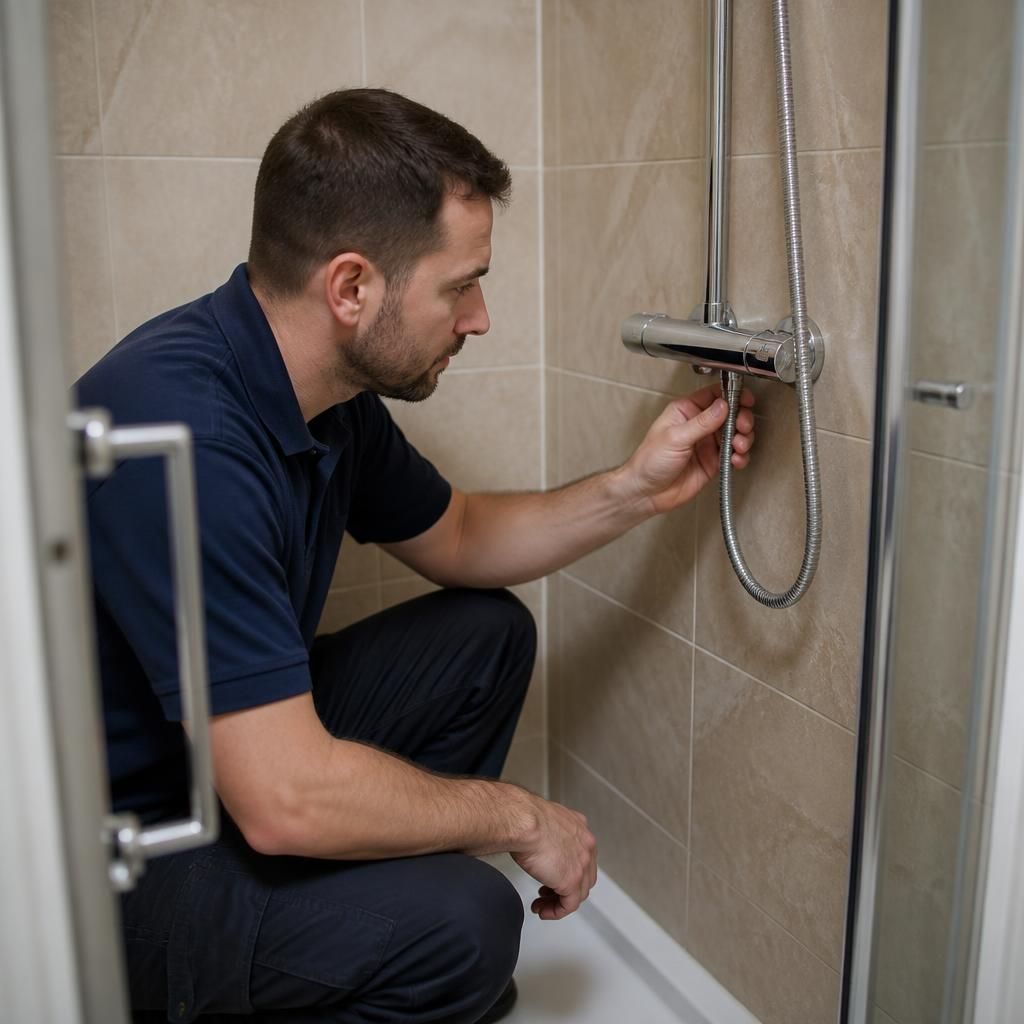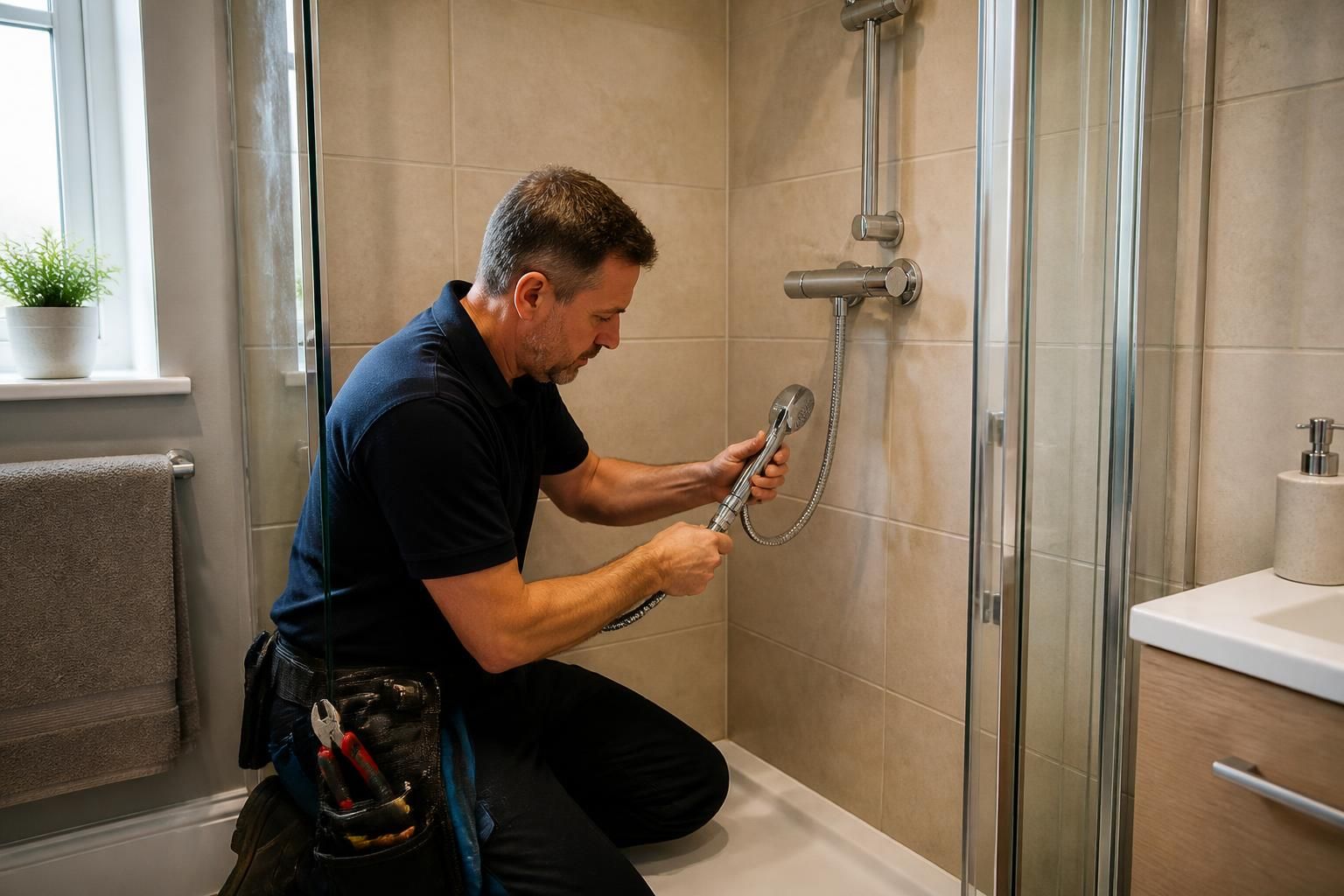
Yes. Emergency shower leak detection is suitable for rented properties, provided the inspection is arranged with the appropriate consent and the tenant, landlord or managing agent understands what access is required. The purpose is to locate the source of the escape of water before deciding whether a repair, replacement part or further investigation is needed.
Responsibility usually depends on the tenancy agreement and the location of the fault. A landlord is generally responsible for the property’s fixed plumbing installations, while a tenant may be responsible for damage caused by misuse or for reporting a problem without undue delay. The exact position can vary, so tenants should notify the landlord or managing agent as soon as a leak is noticed and keep a record of the report.
Before an engineer attends, the tenant should:
- Stop using the shower if doing so could release more water.
- Place containers or towels beneath visible drips where this can be done safely.
- Use the shower’s isolation valve or the property’s main stop tap only if its location is known and operating it is safe.
- Keep electrical equipment away from wet areas and avoid touching electrical fittings if water has reached them.
- Take photographs of visible water damage and note when the leak occurs, such as only during shower use or continuously.
Leak detection does not necessarily involve removing tiles, opening walls or taking out the shower. An inspection normally starts with the visible components, including the shower valve, hose connections, head, riser rail, tray, enclosure, waste and surrounding seals. The behaviour of the leak is important: water appearing only while the shower is running may point towards the shower fittings, tray, waste or enclosure, whereas continuous dampness may indicate a supply pipe or connection.
Where the source is not visible, an engineer may use suitable diagnostic checks to trace moisture and distinguish the shower from nearby plumbing. This helps avoid replacing sound components or disturbing the bathroom unnecessarily. However, if water has travelled beneath flooring, behind a wall or into a neighbouring room, limited access may eventually be needed to confirm the full extent of the problem.
Tenants should not arrange substantial alterations or approve major remedial work without the landlord’s or managing agent’s authorisation, unless immediate action is required to prevent further damage and the tenancy arrangements provide otherwise. The person arranging the visit should clarify whether the appointment is for detection only or includes permission to carry out an agreed repair. A landlord may also need the findings for maintenance records, insurance discussions or communication with the tenant.
After the inspection, the findings should identify the suspected source, any related damage and the recommended next step. Possible outcomes include tightening or replacing a connection, renewing a seal, repairing the waste, correcting an enclosure issue or investigating pipework elsewhere. If the leak has damaged plaster, flooring or neighbouring areas, plumbing repairs may need to be followed by separate drying, building or decorating work.
Ideal Plumbing Services can investigate shower leaks for homeowners, landlords and tenants in Birmingham and the wider West Midlands. The most useful information to provide when arranging an inspection is the property address, the shower type, when the leak occurs, whether water is reaching another room or property, and whether the landlord or managing agent has approved access and repairs.