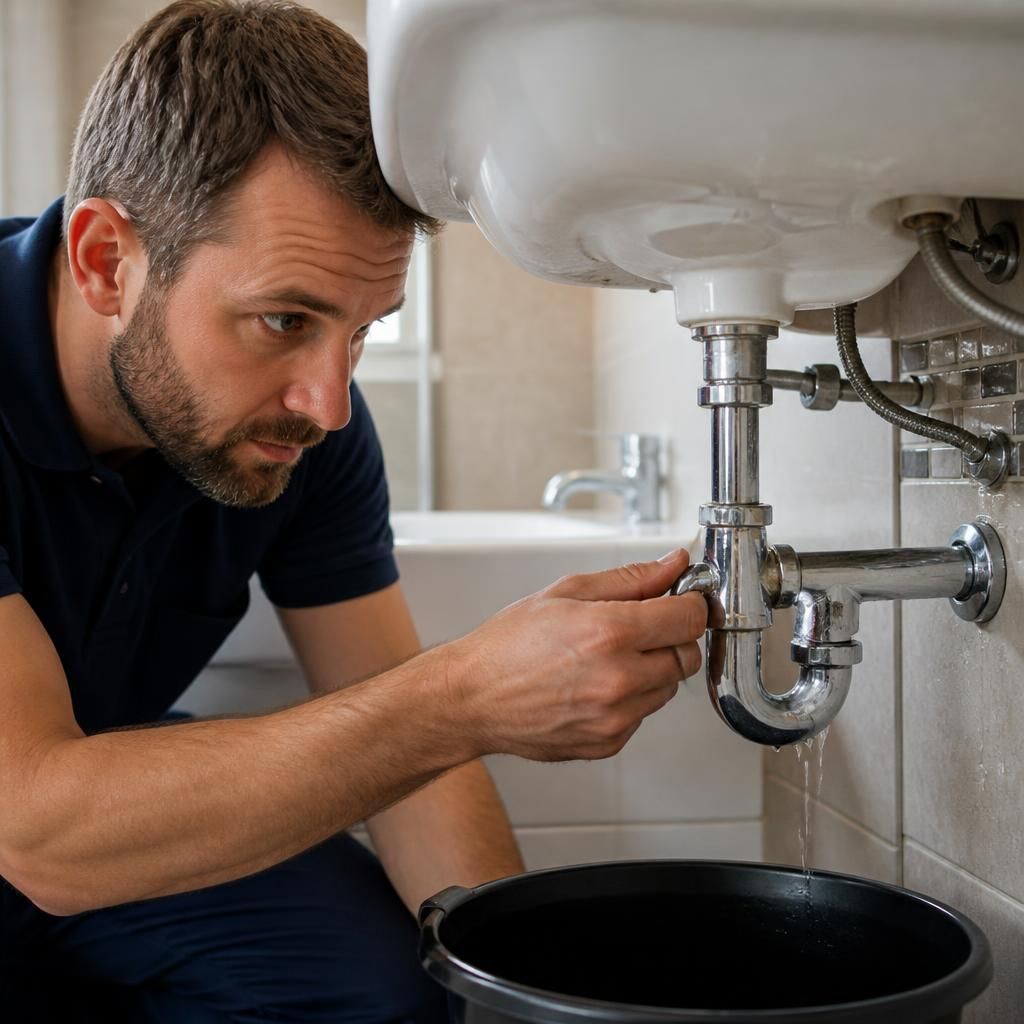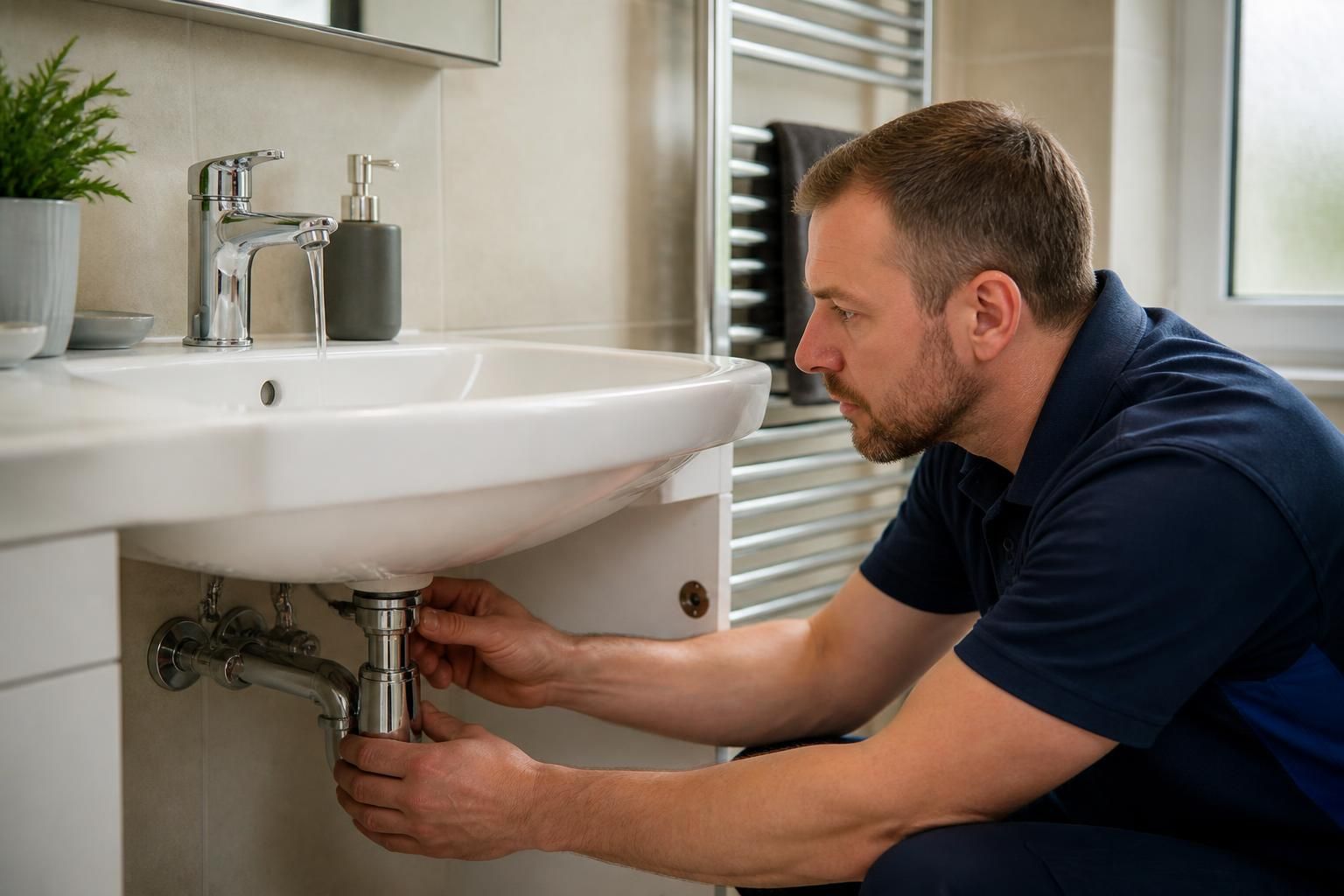
Emergency bathroom tap repair is suitable for rented properties when a tap is leaking heavily, cannot be turned off, has failed at the fitting or is affecting the safe use of the bathroom. The repair should be coordinated with the landlord or managing agent wherever possible, because responsibility for the plumbing and payment usually depends on the tenancy agreement, the cause of the fault and whether the work is urgent.
Who is normally responsible? A landlord will generally deal with repairs to the fixed plumbing and sanitary fittings that form part of the property. This can include a worn tap washer, failed cartridge, leaking connection, damaged isolation valve or a tap that has reached the end of its serviceable life through normal use. The exact position should be checked against the tenancy agreement and any instructions provided by the managing agent.
A tenant may be responsible where the damage resulted from misuse, accidental impact, unauthorised alterations or failure to report a developing problem. For example, forcing a seized handle or allowing a known leak to continue could affect how repair costs are allocated. Responsibility should not be assumed from the appearance of the tap alone; the plumber may need to identify whether the fault is due to the fitting, the pipework or damage around the basin or bath.
What should a tenant do first?
- Turn off the tap and, if necessary, close the local isolation valve or the property's main stop tap. Do not force a stiff valve, as this can cause further damage.
- Move toiletries, electrical items and other belongings away from the affected area, and place a suitable container or towels beneath a controlled drip.
- Contact the landlord or managing agent using the agreed repair procedure, explaining whether water is still escaping and whether the bathroom can be used safely.
- Take clear photographs or video of the tap, surrounding damage and any water escaping before a repair is carried out, provided it is safe to do so.
- Keep copies of messages, invoices and any instructions about arranging the work.
If water is actively escaping and the landlord or agent cannot arrange a suitable response, a tenant may need to take reasonable steps to prevent further property damage. This does not automatically mean the tenant can choose any contractor or recover every cost. It is sensible to explain the situation, obtain agreement where practicable and request written confirmation before authorising work. In a genuine plumbing emergency, ask the contractor to limit the work to making the installation safe and stopping the leak unless further repairs are approved.
Who pays for the repair? Where the fault is part of the property's normal plumbing and has not been caused by the tenant, the landlord or managing agent will commonly arrange and pay for the repair. Where the tenant caused the damage, the cost may be charged to the tenant under the tenancy terms. If a tenant appoints a plumber without following the agreed reporting procedure, reimbursement may be disputed even if the work was necessary, so written records are important.
A plumber can usually provide an invoice describing the fault, the work completed and any parts used. This can help the landlord, agent and tenant distinguish between an urgent repair and optional improvement work. A tenant should avoid authorising upgrades, changes to the tap style or replacement of other fittings without permission, as these may not be treated as necessary repairs.
What can be repaired? Many bathroom tap problems can be dealt with without replacing the complete fitting. Depending on the design and condition, the repair may involve replacing a washer, cartridge, seal, connector, flexible hose or isolation valve. If the tap body is cracked, badly corroded, unstable or no longer compatible with the existing connections, replacing the fitting may be more practical. The landlord or agent should be told before a permanent replacement is selected, particularly where matching fittings or approval of the specification is required.
A temporary measure may be appropriate to control water loss while permission for a permanent repair is obtained, but it should not be treated as a complete solution where the tap remains unsafe, unusable or likely to leak again. Any damage to the basin, bath, vanity unit, flooring or nearby plasterwork should also be reported, since stopping the tap leak may not address moisture that has already spread.
When should a plumber be involved? Professional assessment is appropriate where the leak cannot be isolated, water is entering a wall or floor, the tap is loose at its mounting point, the surrounding surface is becoming damaged, or the fitting serves a vulnerable occupant. It is also advisable where the isolation valve or stop tap is seized, because attempting to dismantle a pressurised or inaccessible connection can make the problem worse.
Ideal Plumbing Services can assess and repair bathroom tap faults for homeowners, landlords and tenants across Birmingham and the wider West Midlands. For a rented property, provide the plumber with the landlord's or agent's contact details, explain what permission has been given and ask for any recommended work to be recorded clearly on the invoice. This keeps the repair focused on the immediate fault and gives the parties useful information for agreeing responsibility and arranging any follow-up work.