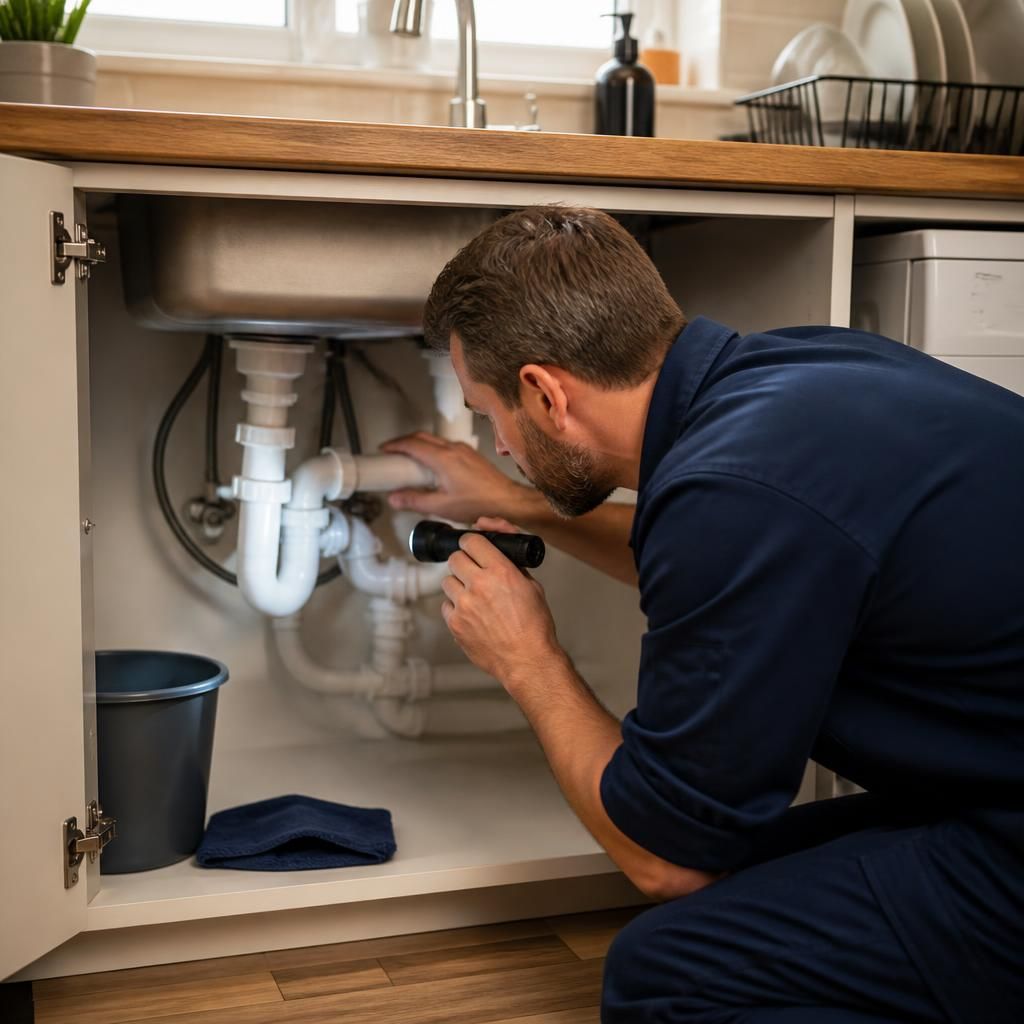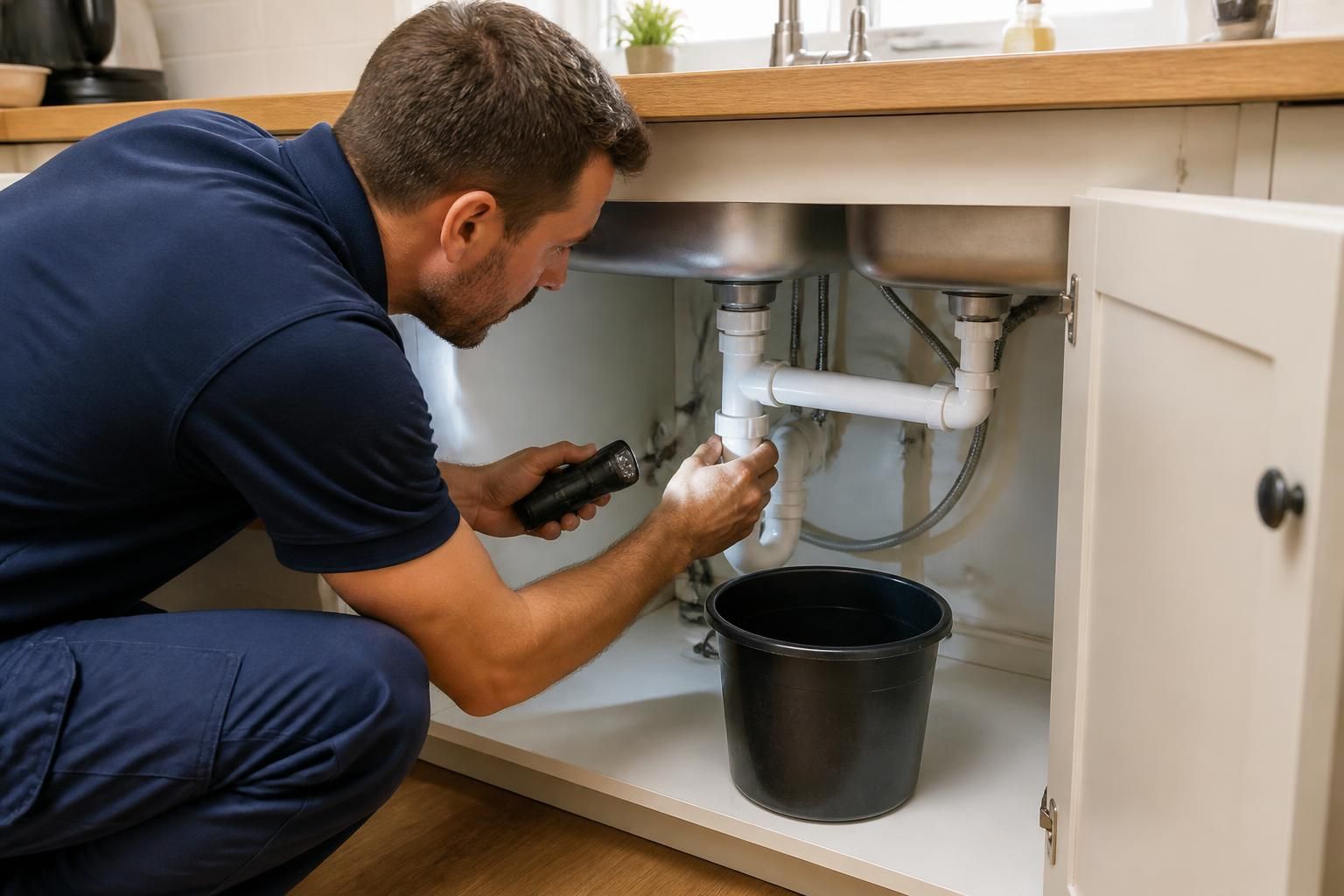
Yes. A plumber can carry out kitchen sink work in a rented property, provided the person arranging the work has the appropriate authority and the repair does not breach the tenancy agreement. The main issues are consent, responsibility, access and the difference between repairing an existing fitting and changing the kitchen.
Repairs to existing plumbing
Work such as repairing a leaking trap, replacing a failed tap, clearing a waste blockage or reconnecting a loose pipe is usually treated as maintenance rather than an improvement. The tenant should normally report the fault to the landlord or letting agent first, even where the plumbing problem appears minor. This gives the responsible party the opportunity to inspect the issue and appoint a contractor.
Landlords are generally responsible for keeping the property's water and sanitation installations in proper working order, unless the problem resulted from the tenant's action or lack of reasonable care. Examples might include a failed pipe joint through normal wear, whereas damage caused by forcing a fitting or putting unsuitable items down the sink may be treated differently. The tenancy agreement and the circumstances of the fault are important.
Changes and installations
Replacing like-for-like components is different from altering the plumbing layout. A new sink, waste arrangement, appliance connection or tap style may require written permission because it can affect worktops, cupboards, pipework, waterproofing or the property's reinstatement at the end of the tenancy. A tenant should not arrange permanent alterations simply because the existing fitting is inconvenient.
- Describe the fault or proposed change clearly.
- Send photographs or a short video where this helps show the problem.
- Ask who is authorised to appoint the plumber and approve the work.
- Confirm whether the contractor may remove panels, cut into units or access adjoining areas.
- Keep the written approval, quotations, invoices and completion details.
What to do with a serious leak
If water is escaping, turn off the suitable isolation valve or the property's main stopcock if it is safe to do so, and protect cupboards and belongings from further damage. Notify the landlord or letting agent promptly, explaining what has happened and what steps have already been taken. Do not conceal a leak by tightening fittings beyond what is reasonable or dismantling pipework without the necessary skill, as this can increase the damage.
Where there is an immediate risk to the property and the responsible contact cannot arrange assistance, a tenant may need to obtain help to limit damage. The tenant should use a suitably qualified plumber, keep evidence of the fault and work undertaken, and request approval before any non-essential replacement. Whether the cost can be recovered depends on the tenancy terms, the urgency and the cause of the problem, so payment should not be assumed.
Access and protection of the property
The landlord or agent should arrange a suitable appointment with the tenant and explain the intended work. The plumber may need access beneath the sink, inside a cupboard, to isolation valves or to pipework serving another fixture. Clear the cupboard beforehand, remove cleaning products and identify any items that need protecting. If the sink is part of a fitted kitchen, ask the plumber to confirm how units, plinths and worktops will be protected before work starts.
After the repair, check that the sink drains correctly, joints remain dry while water is running and any cupboard panels or access covers have been refitted. Ask for a written description of the work, particularly if a pipe has been altered or a component has been replaced. This record can help distinguish a maintenance repair from a tenant-requested improvement.
For rented homes in Birmingham and across the West Midlands, Ideal Plumbing Services can assess kitchen sink leaks, blockages, faulty fittings and related pipework. The landlord, agent or tenant should establish authorisation and responsibility before non-urgent work is approved.