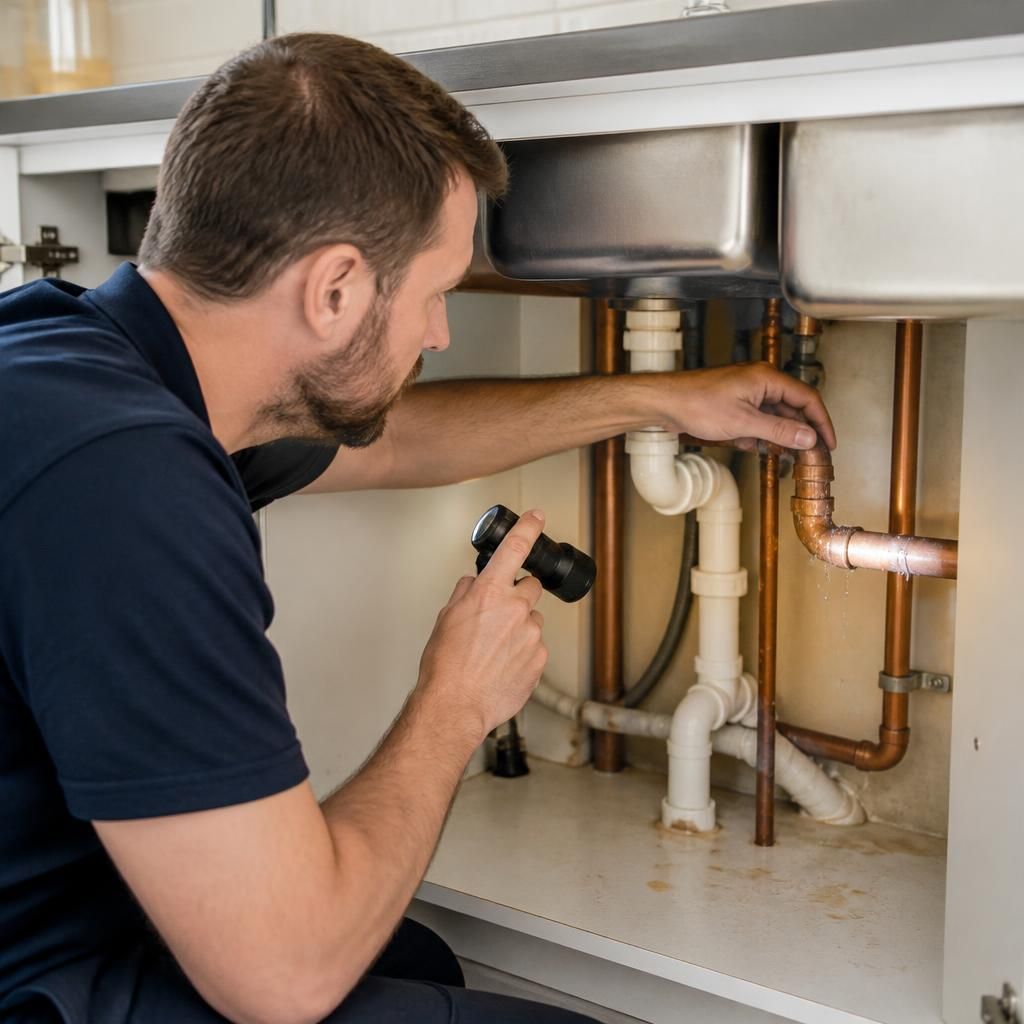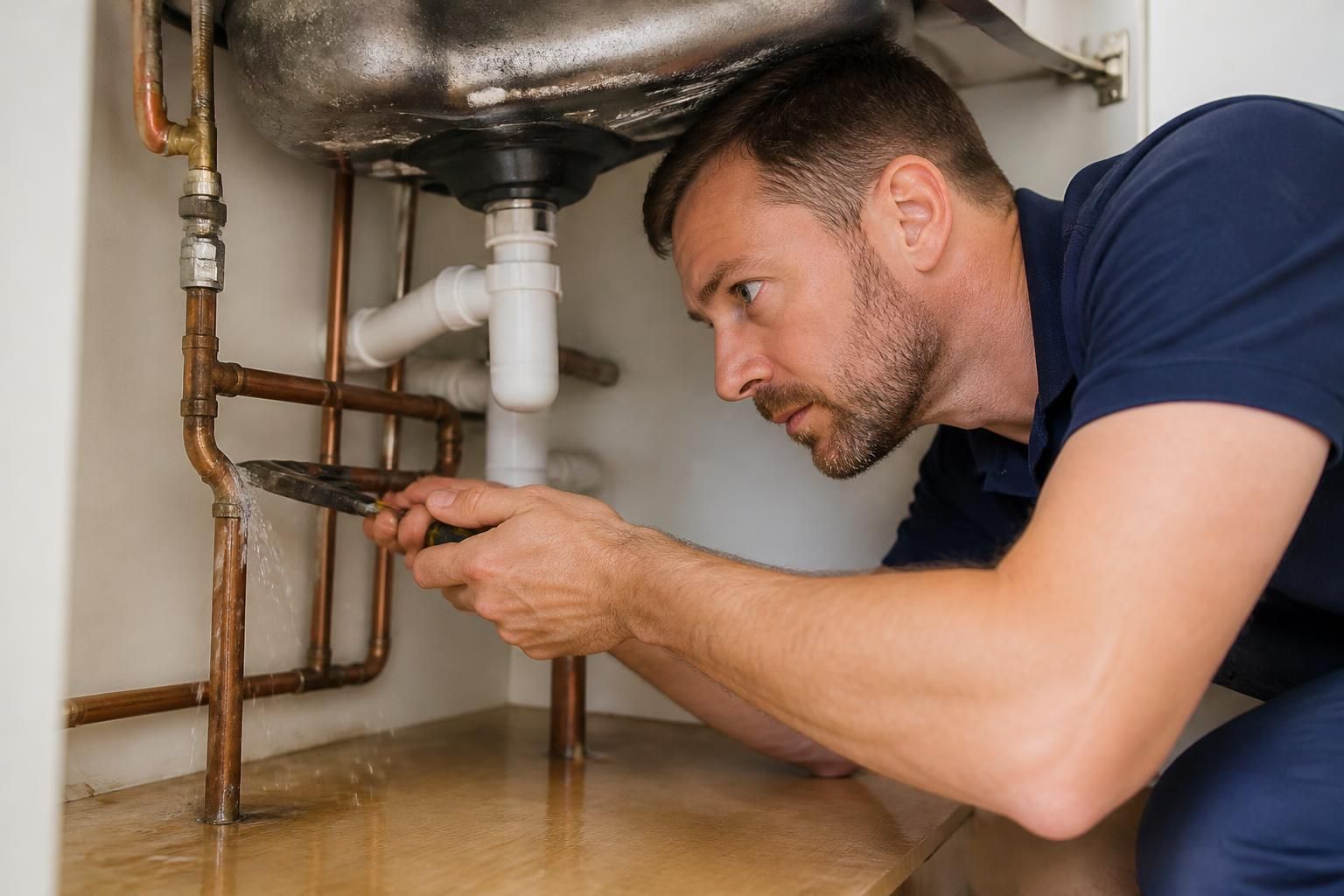
In a rented property, a copper pipe leak is normally dealt with by repairing the affected joint or replacing the damaged section, but responsibility depends on the part of the plumbing involved, the cause of the damage and the terms of the tenancy agreement. Fixed water pipes and plumbing installations generally fall within the landlord’s repair obligations, whereas damage caused by a tenant’s deliberate act, misuse or failure to report a problem may be treated differently.
What the landlord usually deals with
- Leaking or damaged fixed water pipes.
- Failed soldered, compression or push-fit joints that form part of the property’s plumbing system.
- Leaks beneath floors, behind walls or in ceilings where the pipework serves the rented property.
- Consequential plumbing work needed to make the installation safe and functional, subject to the circumstances and the tenancy arrangement.
A landlord may appoint a plumber directly, ask a managing agent to arrange an inspection, or require the tenant to use a specified reporting process. In a block of flats, pipework serving several properties or located in a communal area may fall under the managing agent or freeholder rather than the individual landlord.
When the tenant may be responsible
Tenants are generally expected to report defects promptly, take reasonable steps to limit further damage and avoid interfering with fixed plumbing. Liability may become an issue if the leak follows accidental or deliberate damage, unauthorised alterations, misuse of equipment or a failure to report a known problem. Ordinary deterioration, corrosion and a failed joint are not automatically evidence of tenant fault.
The tenancy agreement can explain the reporting procedure and which minor maintenance tasks are the tenant’s responsibility. It cannot necessarily transfer every statutory landlord repair obligation to the tenant, so a dispute should be considered alongside the relevant agreement and circumstances.
What to do when a leak is discovered
- Turn off the local isolation valve or the property’s main stopcock if it is safe to do so.
- Move belongings away from the affected area and use containers or towels to limit water spread.
- Take clear photographs or video of the pipe, joint, surrounding damage and any visible cause.
- Notify the landlord or managing agent using the agreed method, keeping a dated record of the report.
- Explain whether water is still escaping, whether electrics are nearby and whether ceilings, floors or cupboards are becoming saturated.
A tenant should not cut into a wall, dismantle a copper joint or attempt a permanent repair without permission and suitable plumbing knowledge. Turning off the water can reduce damage, but it does not establish who is legally responsible for the repair or for any associated restoration work.
How a plumber assesses the repair
The plumber will usually isolate the supply, identify the exact leak point and check whether the copper pipe has local damage or wider corrosion. A sound pipe with a failed joint may only need the joint to be remade or replaced. A split, pinhole, badly corroded or inaccessible section may require a new piece of copper pipe and compatible fittings. Where the leak is concealed, access may be needed through flooring, boxing or a ceiling before the full extent of the work can be confirmed.
After the repair, the system should be checked for further seepage and the surrounding area assessed for signs of ongoing damp. Wet plaster, insulation, flooring and cabinetry may need separate drying or restoration work. The plumbing repair itself does not automatically cover redecoration or structural reinstatement, so the tenant should ask the landlord or managing agent how those parts will be handled.
Can a tenant arrange the plumber?
Tenants should normally report the problem first and obtain permission before instructing a contractor, particularly where the landlord has a maintenance process or preferred supplier. In a serious leak, immediate action to prevent substantial damage may be sensible, but reimbursement is not automatic. Keep invoices, photographs, messages and the plumber’s findings, and ask for written confirmation of any agreed work or costs.
Ideal Plumbing Services can assess copper pipe leaks and carry out suitable plumbing repairs for residential properties in Birmingham and the wider West Midlands. The landlord, tenant or managing agent should confirm access arrangements and responsibility for payment before non-emergency work is authorised.