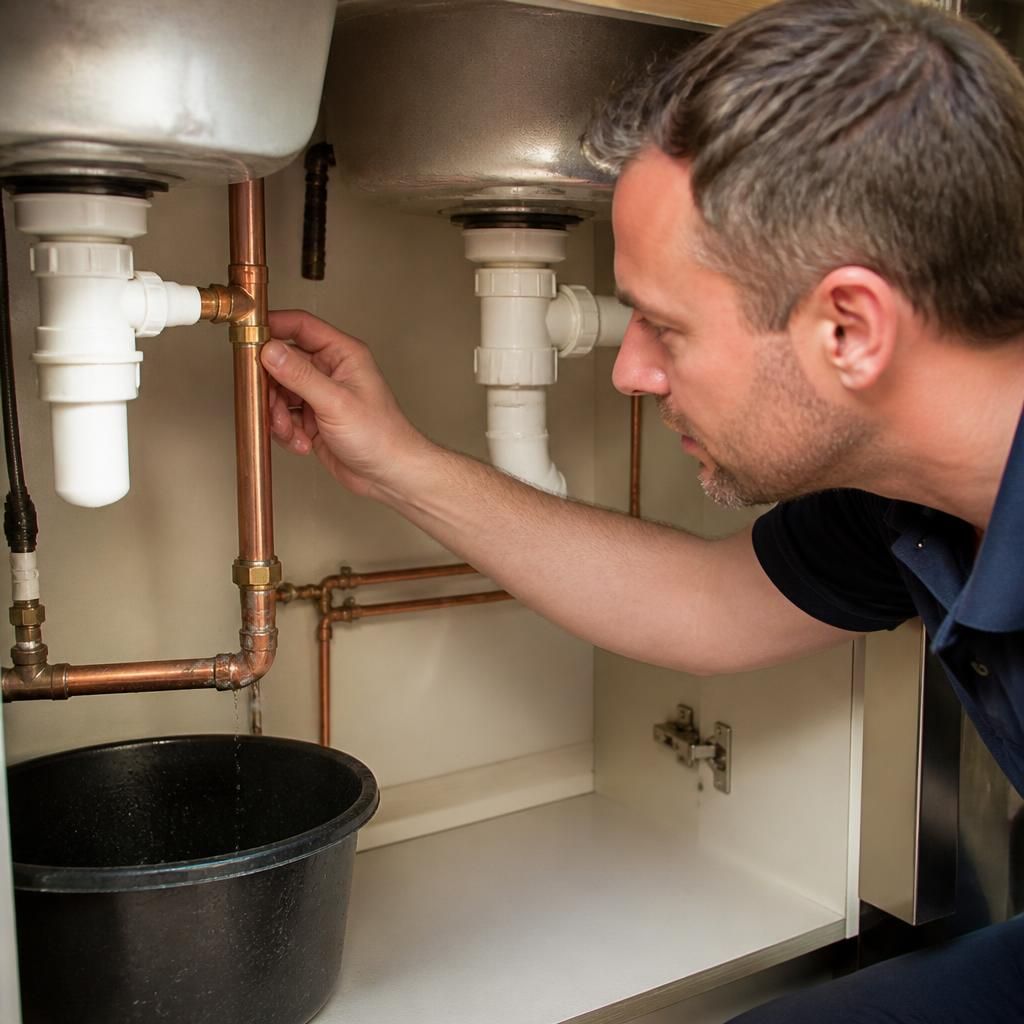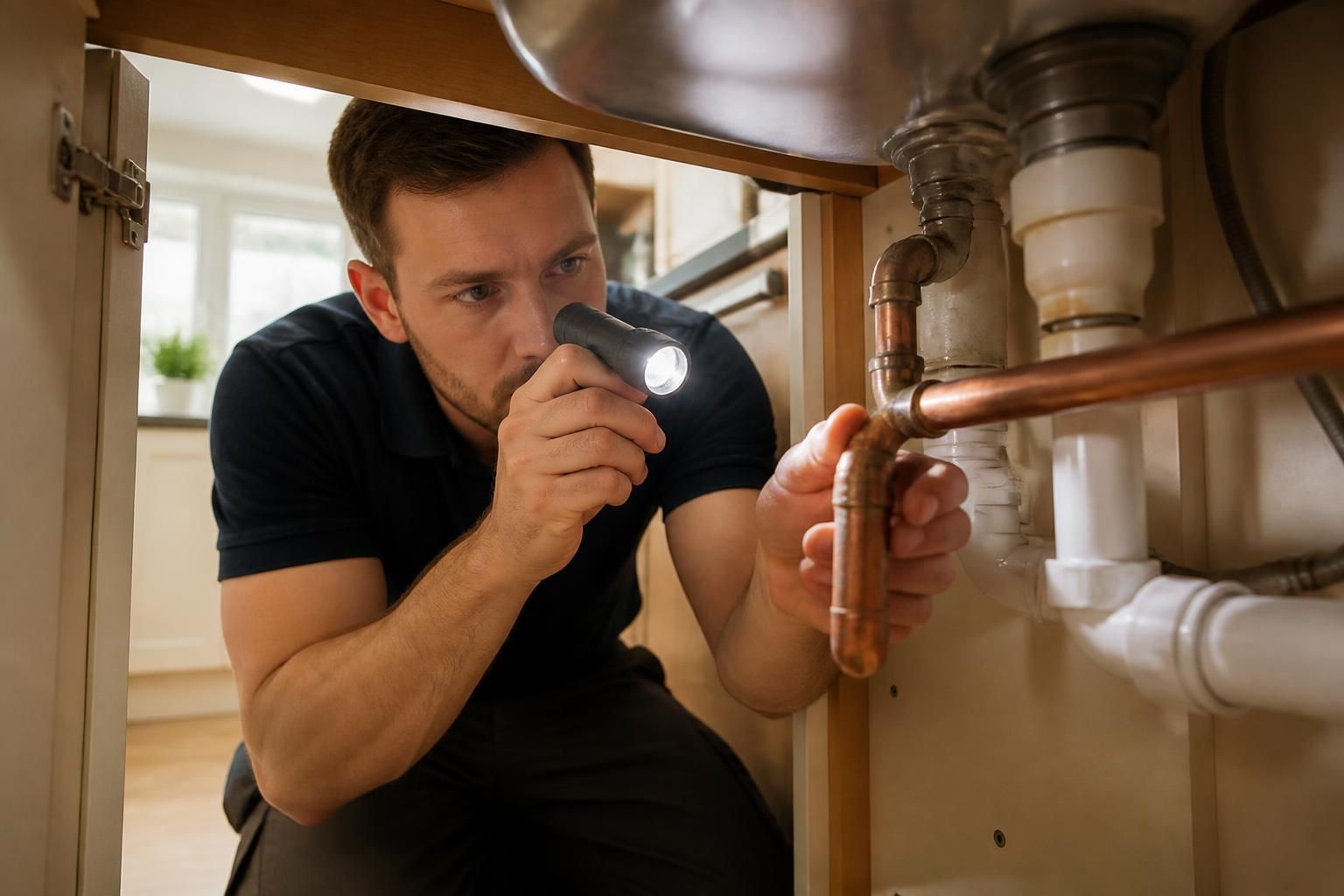
The cost of repairing a copper pipe leak is not a fixed amount. A minor repair to an exposed connection will usually involve less work than replacing a damaged section behind a wall, beneath flooring or within a ceiling. The final price should reflect the time, materials and access work required to restore the pipe properly.
What is included in the cost? A copper pipe leak repair estimate may include several separate elements:
- Inspection and fault finding: The plumber needs to identify the source of the water, which may not be directly below the visible damp patch.
- Preparation: This can include isolating the relevant water supply, draining part of the system and protecting nearby surfaces.
- Repair materials: The price depends on whether the repair needs solder, a compression fitting, a connector, replacement copper pipe or other compatible components.
- Labour: Time is needed to expose the pipe if necessary, remove the failed part, fit the repair and test the system.
- Access and reinstatement: Removing and replacing flooring, boxing-in, plasterboard or other finishes can add to the overall charge. Plumbing work and decorative making-good are not always carried out by the same trade, so this should be clarified before work starts.
A joint repair and a pipe-section replacement are priced differently. If the copper itself is sound and the problem is confined to a connection, the plumber may be able to repair or remake the joint. Where the pipe has split, corroded or been damaged over a longer area, a section may need to be cut out and replaced. Repeated repairs to an ageing or weakened pipe can also be less suitable than replacing the affected section, particularly where another failure is likely.
Access is often the biggest variable. An exposed pipe in a cupboard, utility area or under a basin can be inspected and worked on directly. A concealed pipe may require lifting boards, removing panels or opening a surface before the repair can be reached. The cost is therefore not determined by the size of the visible leak alone. A small leak in an inaccessible position can involve more work than a larger fault that is easy to reach.
The type of system matters as well. A leak on a cold-water supply, hot-water pipe or central-heating circuit may require different isolation and testing procedures. Heating pipework can need the system to be refilled and checked after the repair, while a water-supply repair must be tested under normal pressure. These steps help identify whether the repair has resolved the original fault rather than merely stopping visible water temporarily.
When comparing prices, check whether the estimate covers investigation, labour, parts, testing and any necessary access work. It is also sensible to ask:
- Is the price for repairing the joint or replacing a section of pipe?
- Are materials included?
- Will removing flooring, boxing or plasterboard be charged separately?
- Is any follow-on making-good excluded?
- Does the quoted amount include testing the pipework after completion?
- Will tax or other additional charges be added?
A very low initial figure may not represent the total cost if it covers only the visible fitting and excludes access, damaged materials or reinstatement. Conversely, replacing more pipe than necessary is not automatically better; the repair should be proportionate to the condition of the pipework and the likely cause of the leak.
Before approving the work, ask for the proposed method and charge to be explained in plain language. Ideal Plumbing Services provides copper pipe leak assessments and repairs for residential customers in Birmingham and the wider West Midlands, with charges explained before work begins and no hidden charges.