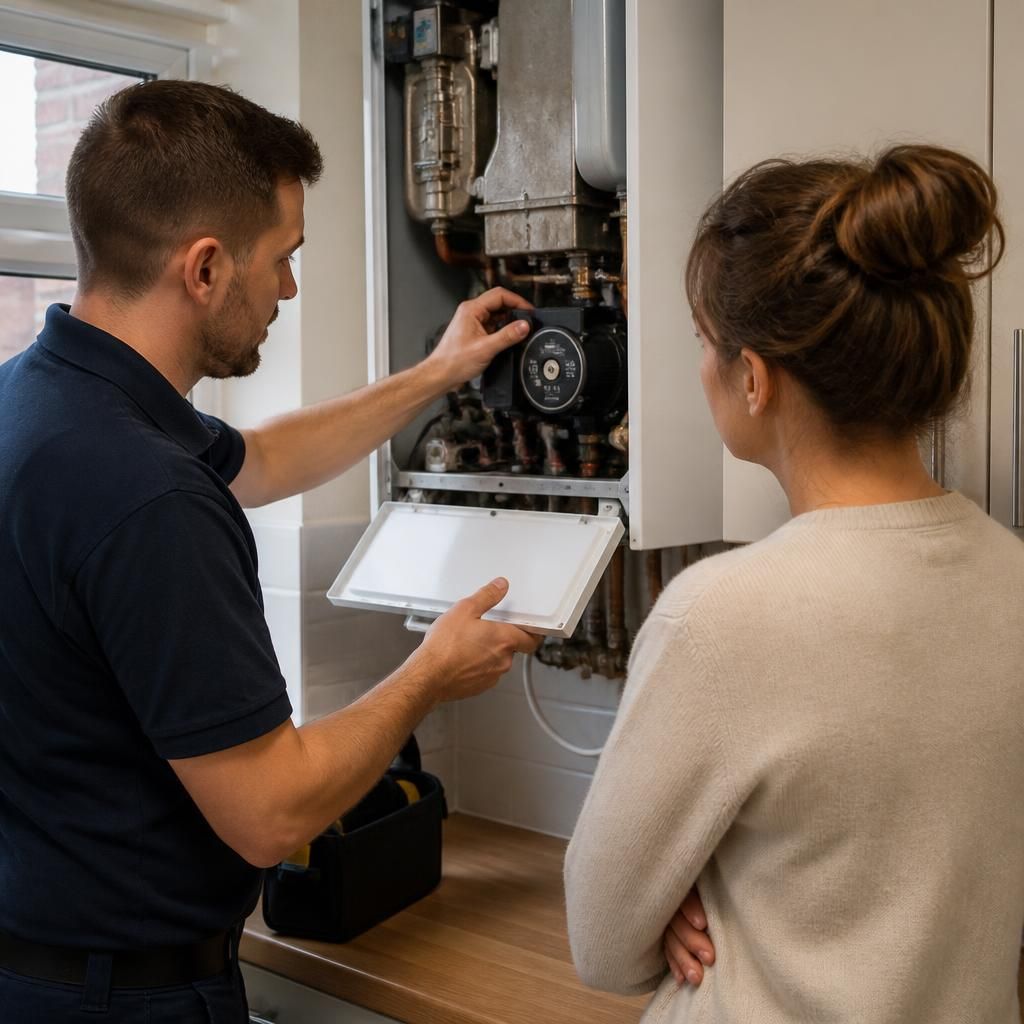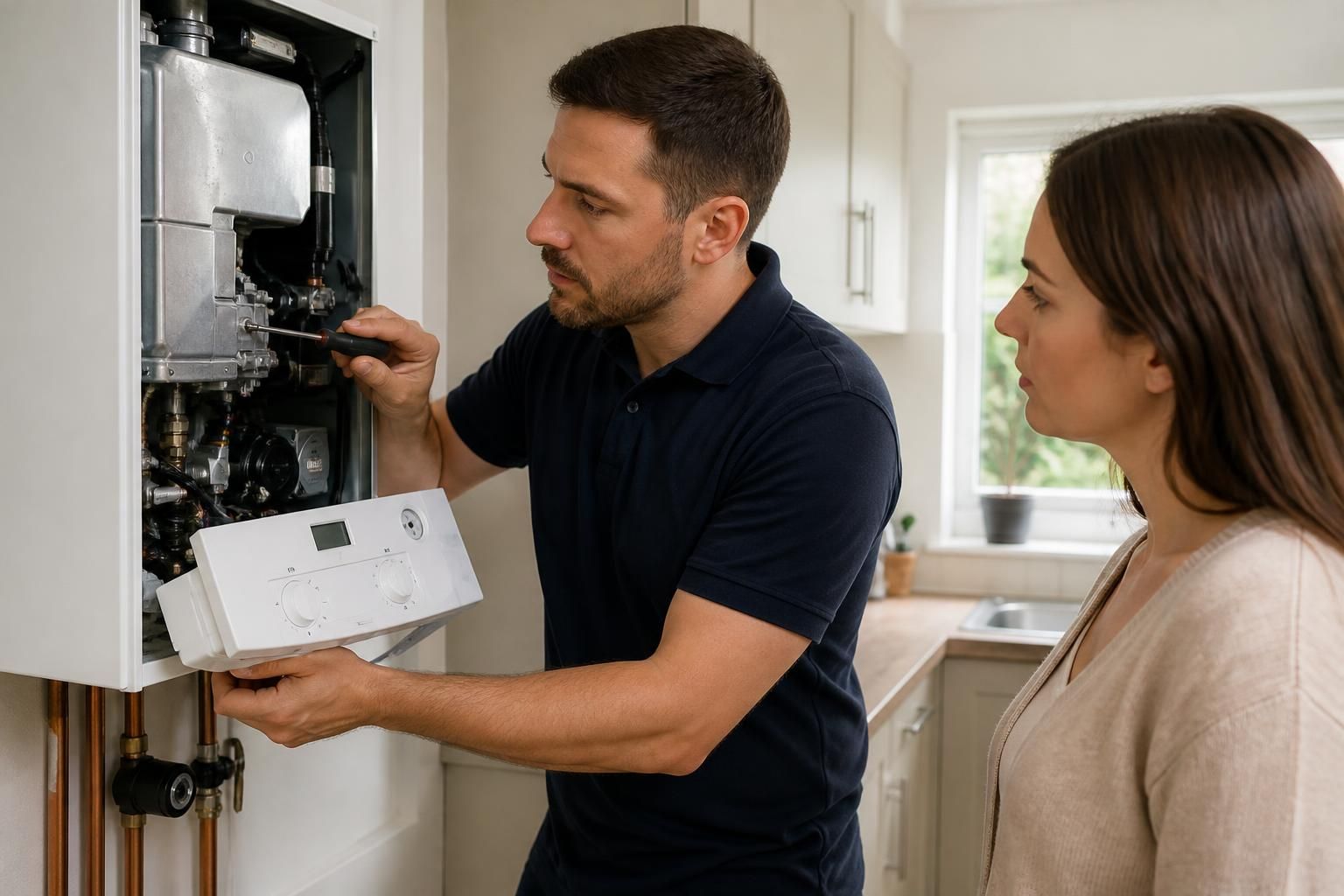
Boiler parts can generally be replaced in rented properties, provided the work is properly authorised and carried out by a suitably qualified professional. In most private tenancies, responsibility for repairing the boiler and the fixed heating system rests with the landlord, rather than the tenant. The correct process depends on the tenancy agreement, the nature of the fault and whether the boiler forms part of the property’s supplied services.
Landlord responsibilities
Under the usual repairing obligations for rented homes in England, a landlord is responsible for keeping installations for heating and hot water in reasonable repair. This can involve replacing a failed component such as a pump, thermostat, diverter valve, fan, pressure sensor or ignition part, rather than replacing the entire boiler.
Gas safety duties apply separately. A landlord must arrange the required gas safety checks and retain the relevant records. Any work involving gas-carrying components, combustion or the safe operation of a gas boiler must be completed by an engineer who is qualified for that type of work. A repair should not be treated as complete simply because the boiler starts working; it must also be safe to operate.
Where a repair is necessary, the landlord or managing agent will normally choose the contractor, approve the diagnosis and decide whether a part replacement is appropriate. They should also keep records of the work, particularly where the repair affects gas safety or forms part of the property’s maintenance history.
What tenants should do
- Report the fault to the landlord or managing agent as soon as it is identified, using the agreed contact method.
- Describe the symptoms accurately, such as unusual noises, fault codes, loss of heating or hot water, leaking water or repeated pressure loss.
- Follow reasonable instructions, including providing access for inspection and repair.
- Keep copies of messages, inspection reports and invoices connected with the fault.
- Do not remove covers, interfere with gas components or attempt to fit a replacement part.
A tenant should normally avoid booking a repair independently and then expecting the landlord to reimburse the cost. Reimbursement may depend on the tenancy agreement and the circumstances, and authorising work without permission can create a dispute over payment or responsibility. If there is an immediate safety concern, the tenant should stop using the appliance where appropriate, follow the relevant safety advice and contact the landlord or managing agent through the stated emergency procedure.
When the tenant may be responsible
The position can differ where the boiler or appliance belongs to the tenant rather than forming part of the rented property. A tenancy agreement may also make the tenant responsible for damage caused by misuse, neglect or unauthorised alterations. Ordinary breakdown from age or normal use is not usually treated in the same way as tenant-caused damage, but the facts and the contract matter.
Tenants should also check whether they have installed their own heating controls or connected equipment. The landlord may need to approve changes to the fixed system, and an installation that affects the boiler should be assessed for safety and compatibility before any part is replaced.
Authorisation and access
Before work begins, it is sensible for the landlord or agent to confirm what has been diagnosed, which part is proposed, whether the price has been approved and whether any follow-up testing is required. The engineer may need to inspect the boiler, controls, pipework and flue before confirming that a single component is the cause of the problem. Replacing a part without establishing the underlying fault can lead to repeat failures or unnecessary expense.
Tenants should receive appropriate notice for a planned visit unless the tenancy agreement or circumstances provide another arrangement. They should not obstruct reasonable access for inspection, maintenance or repair. If access cannot be provided, the tenant should suggest another suitable appointment rather than allowing the fault to remain unresolved.
Gas, electrical and water-related work
Different components require different technical skills. Gas work must be carried out by an appropriately registered gas engineer. Electrical controls, wiring and programmers must be handled by someone competent for the work, while leaks or water-side components may require a qualified heating or plumbing professional. The person carrying out the repair should check the completed system and explain any operating or reset instructions to the tenant.
If the boiler continues to lose pressure, produces an unusual smell or noise, leaks, repeatedly displays a fault or fails to provide heating after a part has been replaced, the tenant should report the continuing problem rather than repeatedly resetting the appliance. Further investigation may show that another component, the system controls, pipework or the boiler itself needs attention.
Part replacement or boiler replacement?
A failed part does not automatically mean that the whole boiler needs replacing. A competent assessment should consider the boiler’s condition, the availability of a suitable replacement part, the safety of the appliance and the likely reliability of the repair. If the boiler is beyond economical repair or cannot be made safe, a wider replacement may be considered, but that is a separate decision from replacing an individual component.
For a rented home, the practical route is to report the issue in writing, allow the landlord or agent to arrange a professional assessment and retain the paperwork. If there is an ongoing dispute about an unresolved heating or hot-water repair, tenants may wish to seek advice from a housing adviser or local authority rather than arranging substantial work without agreement.