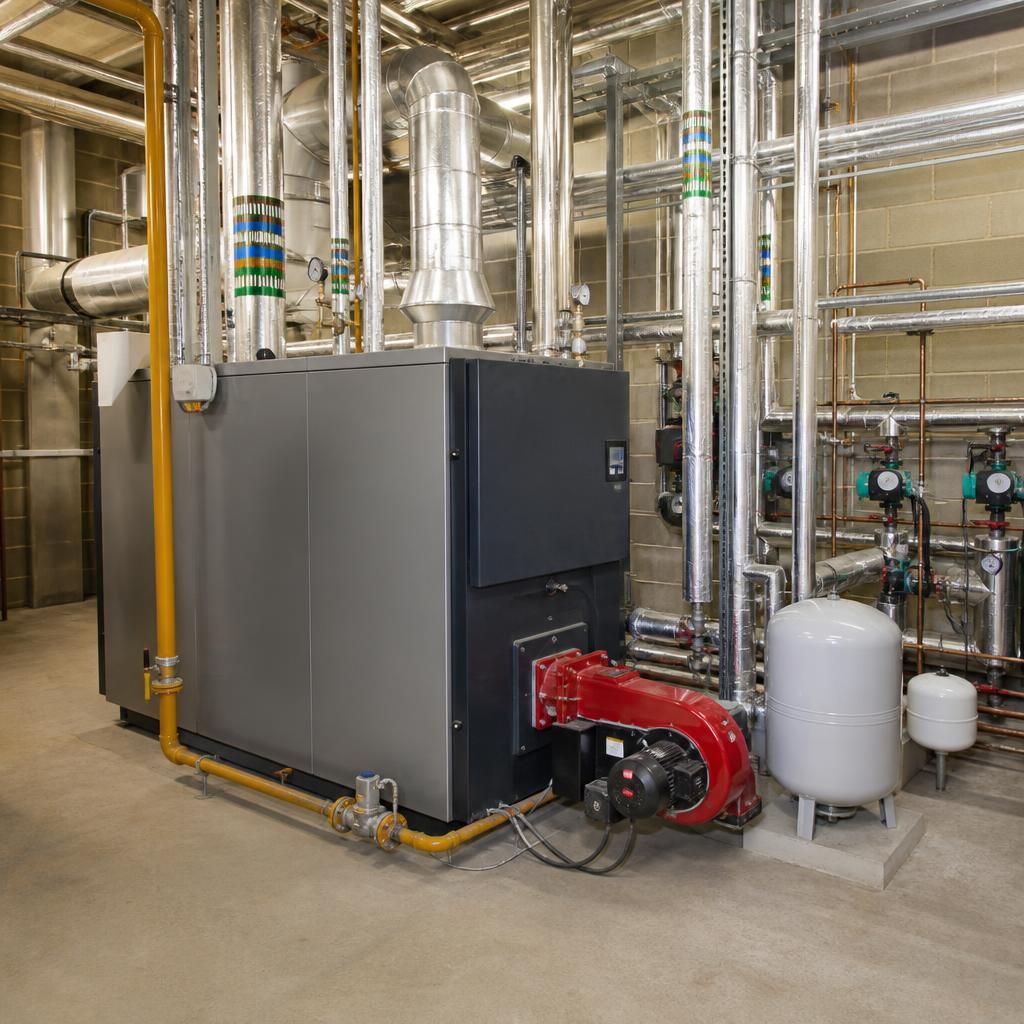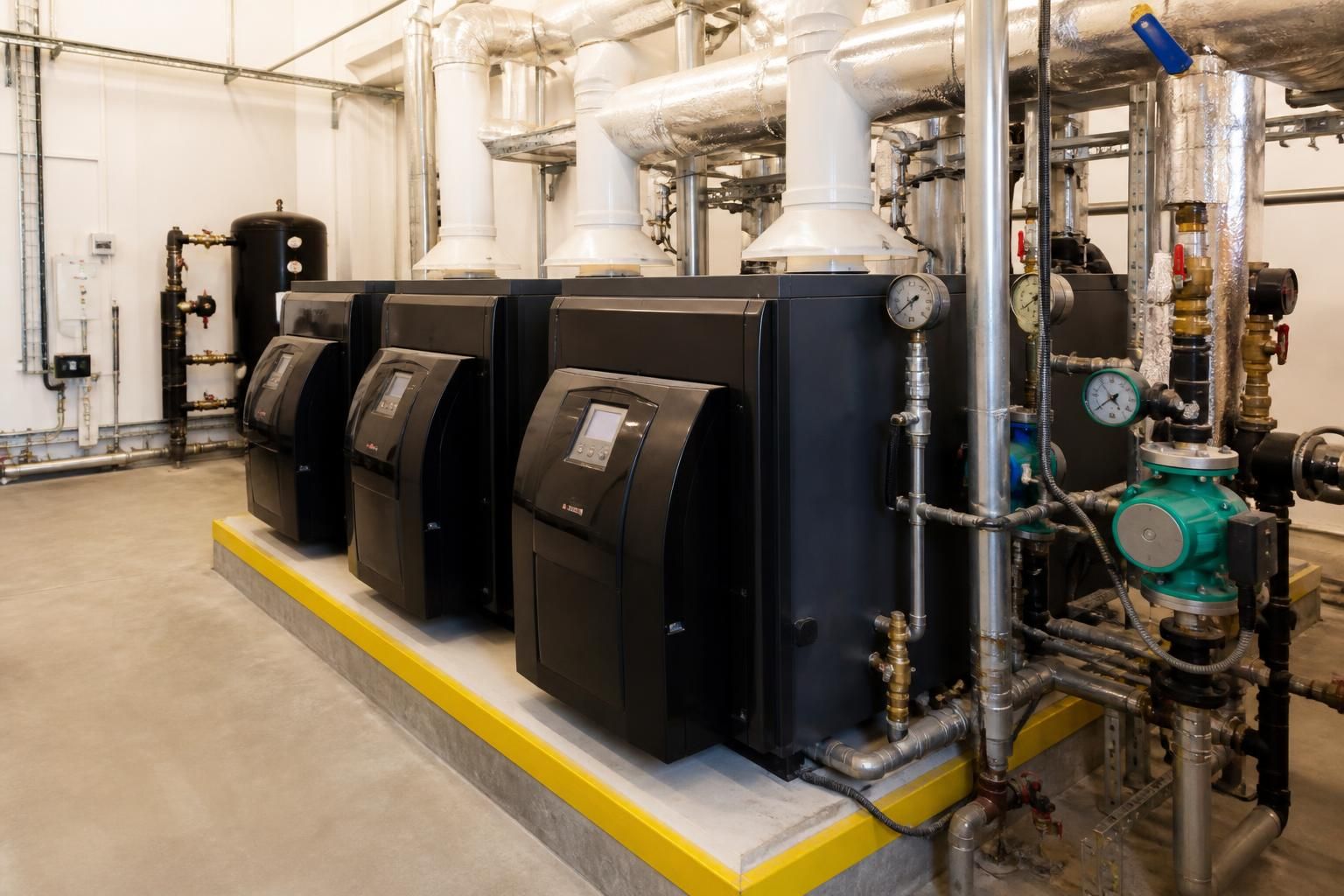
Commercial boiler installation cost is shaped not only by the boiler itself, but also by the building’s heating demand, operating requirements, specification, compliance obligations and the work needed to deliver a complete, commissioned system. Two properties with similar floor areas can receive very different quotations if their usage patterns, hot-water requirements or existing plant arrangements differ.
Building use and heat demand
A boiler serving offices may have a different duty profile from one serving a care facility, school, retail premises or industrial unit. The assessment may consider occupancy, operating hours, insulation, ventilation, internal temperatures and whether heating is required throughout the building or only in selected zones. Seasonal demand and the need to recover heat quickly after periods of reduced use can also influence the recommended specification.
Hot-water requirements
Where the installation also supplies hot water, the required flow rate, storage capacity and peak demand become important cost factors. A premises with intermittent hand-washing demand will generally require a different arrangement from one with kitchens, washrooms, showers or process-related hot-water use. The quotation should make clear whether hot-water generation and storage are included.
System design and control requirements
Commercial systems often need more detailed controls than a small domestic installation. Time schedules, temperature control, zoning, weather compensation, sequencing and remote monitoring may all be considered according to the building’s use. Additional sensors, control panels or integration with existing building-management equipment can increase the initial cost, but they may be necessary for safe and practical operation.
Boiler arrangement and resilience
The design may use one boiler or multiple units operating together. Multiple-boiler arrangements can provide staged output and allow the system to continue operating if one unit is unavailable, but they require additional controls and associated components. Whether this level of resilience is appropriate depends on the building’s risk profile, heating demand and the consequences of an interruption.
Plant-room and system components
The boiler is only one part of a commercial heating installation. The full specification may include pumps, valves, expansion equipment, safety devices, pressurisation equipment, water treatment, headers, buffer vessels, cylinders and condensate arrangements. The number and type of components required will depend on the chosen design and the condition of any equipment being retained.
Fuel, ventilation and discharge requirements
The available fuel supply and the premises’ ventilation arrangements can affect the specification. A survey may identify requirements for combustion air, discharge routes, condensate disposal or alterations to the plant-room environment. These details should be confirmed during design rather than assumed from the boiler’s purchase price.
Compliance, design and documentation
Commercial boiler work must be planned around applicable safety, building and workplace requirements. Costs can include design calculations, risk assessments, certification, commissioning records, operating instructions and handover documentation. The precise requirements vary according to the premises, system design and any equipment connected to it.
Removal and disposal of existing equipment
If old boilers, tanks or associated components need to be removed, the quotation may include isolation, dismantling, disposal and preparation of the area for the new system. Difficult-to-remove equipment or contaminated system water can require additional work. It is useful to check whether these items are included or priced separately.
What a useful quotation should show
- the proposed boiler arrangement and intended duty;
- the controls and ancillary equipment included;
- design, installation, testing and commissioning activities;
- any removal, disposal or remedial work;
- required compliance documentation and handover information;
- maintenance recommendations and any exclusions; and
- the treatment of VAT and other applicable charges.
The lowest initial quotation is not necessarily the lowest-cost option over the system’s working life. Compare the proposed specification, efficiency, controls, maintenance requirements, parts access and warranty terms alongside the installation price. A properly itemised assessment makes it easier to identify missing work, compare like-for-like proposals and understand which decisions are affecting the total commercial boiler installation cost.