Gas boiler installation can suit many property types, but suitability must be assessed on the individual building rather than its label. A detached house, terraced home, flat, rental property or converted building may each need a different installation approach, and some properties may be better served by an alternative heating system.
Houses
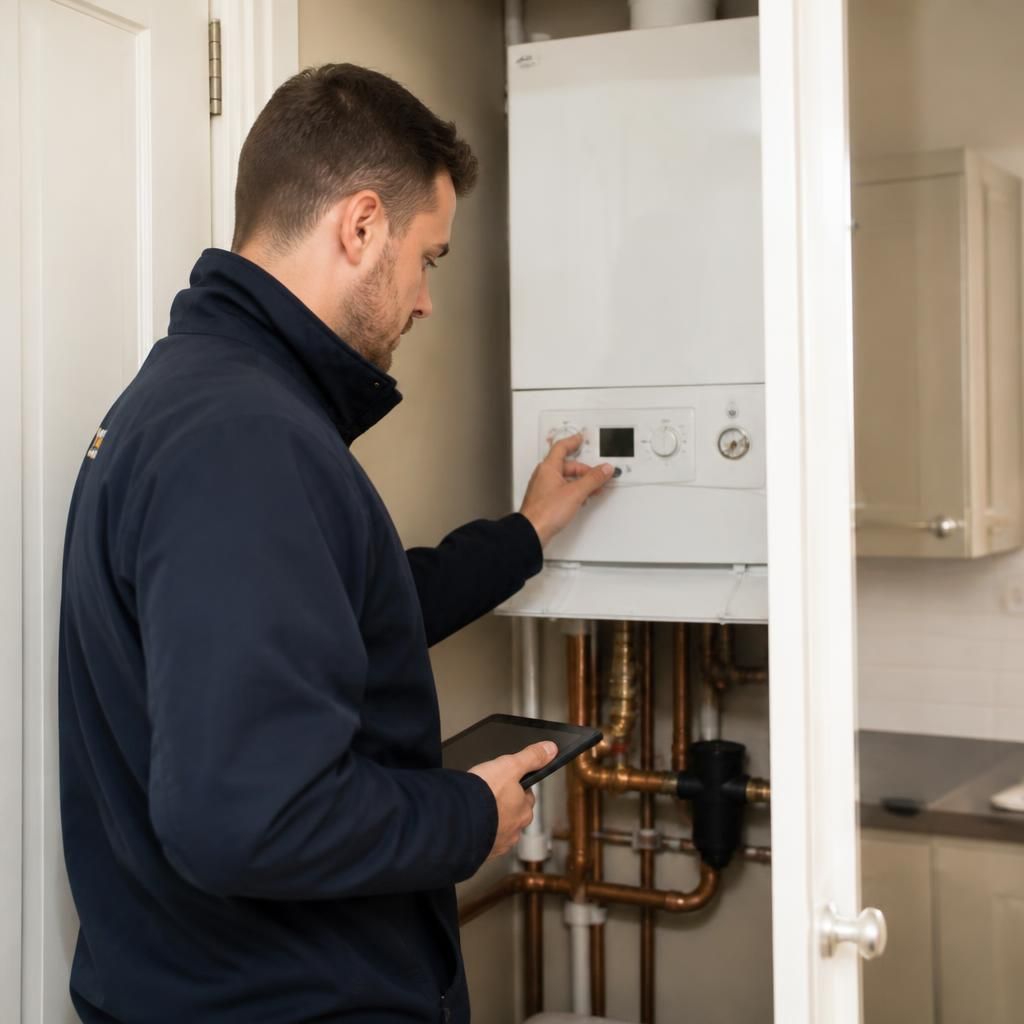
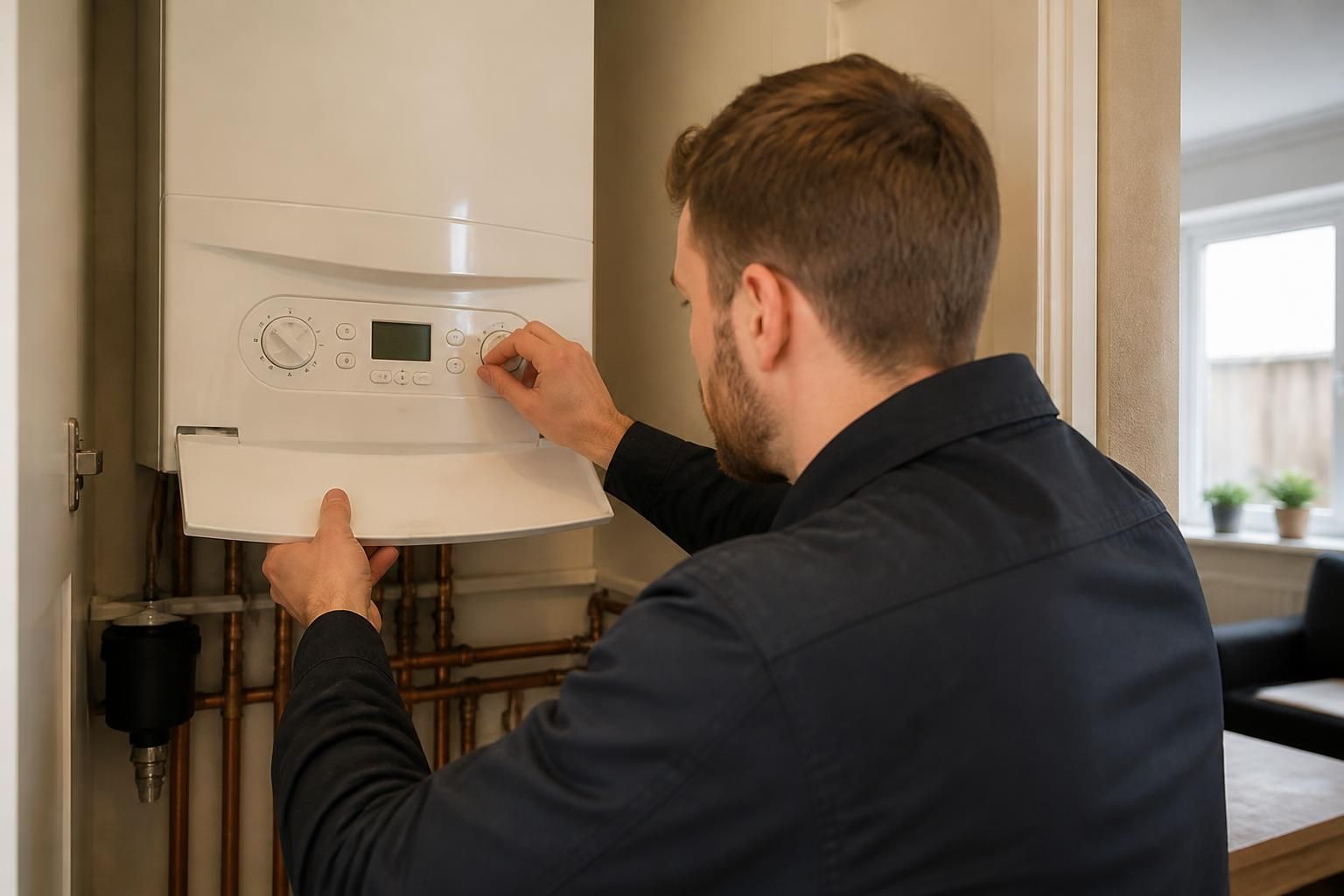
Detached, semi-detached and terraced houses commonly have suitable locations for a gas boiler, such as a kitchen, utility room, airing cupboard or garage. The assessment should consider the position of the existing boiler, the route for the flue, the condensate discharge and the connection to the gas and heating systems. In a terraced property, the available external wall space and proximity to neighbouring buildings can affect where the flue may be positioned.
Older houses may have a heating system that needs more extensive preparation before a modern boiler is fitted. Pipework, radiators, controls, the gas meter and the incoming gas supply may all require inspection. Replacing only the boiler is not always the most suitable approach if other parts of the system are heavily worn or incorrectly configured.
Flats and apartments
A flat can often have an individual gas boiler, particularly where it already has its own gas meter, heating circuit and flue arrangement. However, flats can involve additional restrictions. The flue may need to pass through or terminate near communal areas, another dwelling or a shared external wall. Access to service risers, roof spaces or plant rooms may also be controlled by a managing agent or freeholder.
Some apartment buildings use communal heating or hot-water systems rather than individual boilers. In that situation, installing a separate gas boiler may not be permitted or technically appropriate. Lease conditions, building management rules and the design of the communal system should be checked before arranging an installation.
Rental properties
Gas boilers can be installed in rented houses and flats, but the landlord or property owner normally needs to approve the work. Tenants should not arrange changes to gas appliances, flues or fixed heating systems without permission. The installation must also be compatible with the property's existing gas and heating arrangements, and the landlord may need records relating to the appliance and associated safety checks.
For landlords, the decision should take account of the whole heating system rather than the boiler alone. The selected position should allow future servicing, controls should be straightforward for occupants to use, and any work affecting walls, cupboards or communal areas should be agreed in advance.
Older, converted and unusual properties
Older homes, listed buildings and properties in conservation areas can still sometimes accommodate a gas boiler, but alterations may be restricted. External flues, changes to elevations, new pipework and work in shared parts of a building may require additional consent. A previous boiler position should not automatically be reused if it does not meet current installation requirements.
Converted houses and buildings with extensions can present less obvious challenges. There may be limited ventilation, complicated flue routes, different floor levels or shared services that are not shown clearly in property documents. A site assessment can identify these issues before equipment is ordered or work begins.
When a property may not be suitable
Installation may not be practical where there is no suitable gas supply, no compliant route for the flue, insufficient provision for combustion air, inadequate drainage for condensate or no safe position for the appliance. A boiler may also be unsuitable where the building is governed by a communal heating arrangement or where ownership and access restrictions prevent the required alterations.
Properties without mains gas may need a different solution, such as an alternative fuel or electrically powered heating system. The most appropriate option depends on the building's insulation, heat demand, available electrical capacity, hot-water requirements and any restrictions on external equipment. A gas boiler should not be selected solely because one was installed previously.
What the assessment should cover
- Whether the gas supply and meter can support the proposed appliance.
- The boiler position and whether it provides safe access for operation, inspection and maintenance.
- The route, termination and surroundings of the flue.
- Ventilation and combustion-air requirements for the appliance and room.
- The condensate drainage arrangement and protection of exposed pipework.
- The condition and compatibility of existing radiators, pipework, controls and hot-water components.
- Any permissions required from a freeholder, managing agent, landlord, conservation authority or other responsible party.
The result is not simply a choice between houses and flats. Two properties of the same type can have different constraints, while a well-planned installation in an older or smaller property may be entirely feasible. A qualified heating professional should inspect the property, explain any limitations and confirm the proposed boiler position and system design before installation is booked.