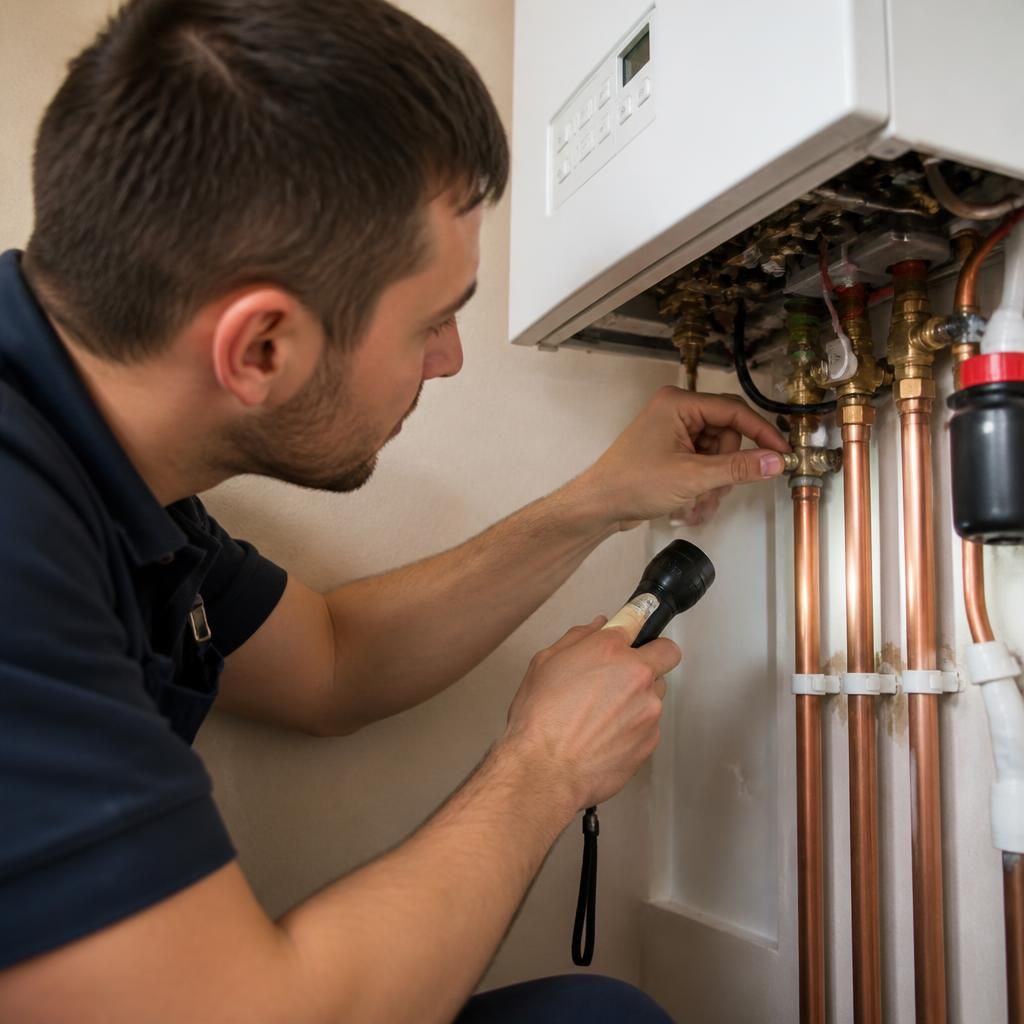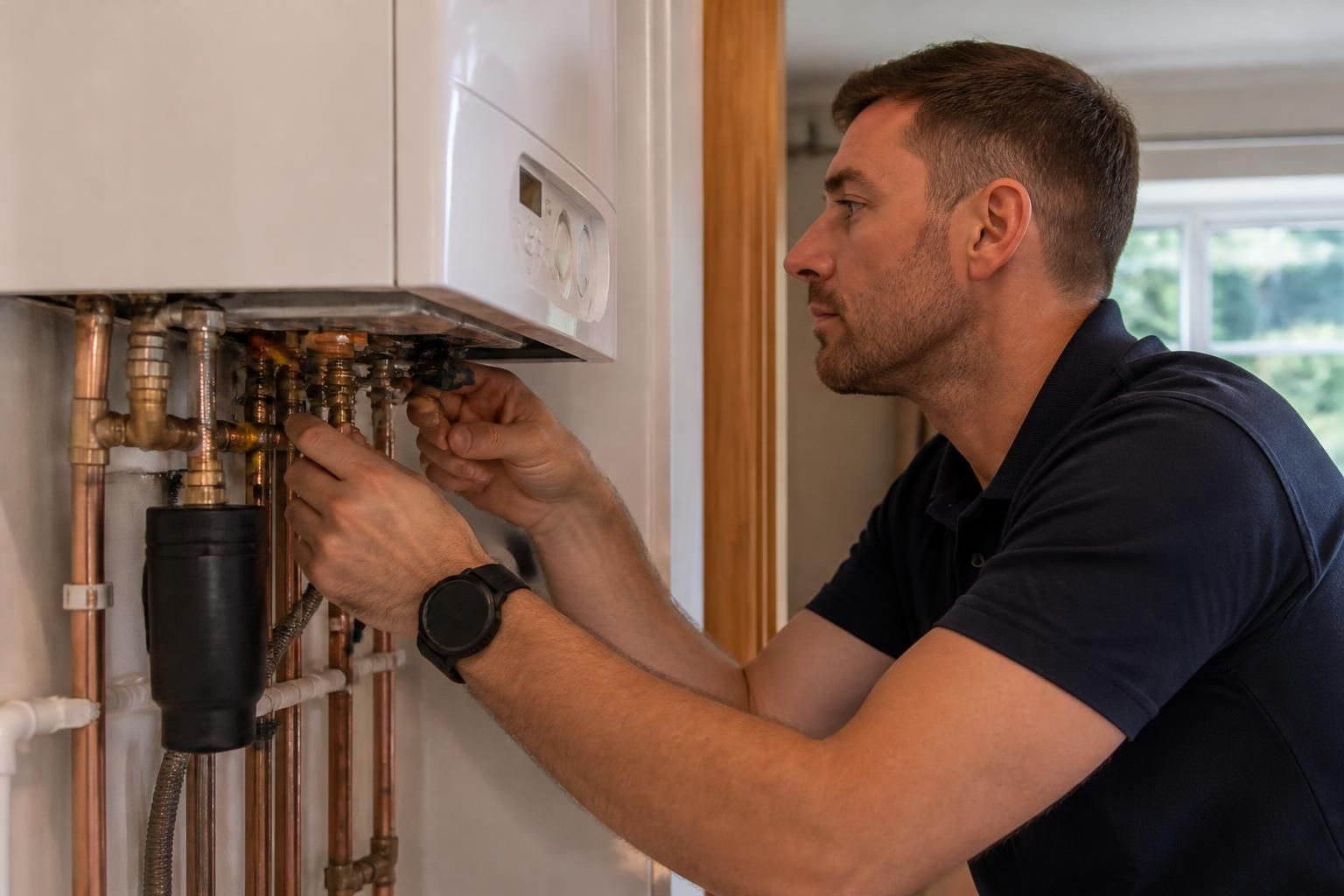
The final cost of a new gas boiler installation is determined by the total work required to provide a safe, compliant and fully functioning heating system, not simply by the boiler itself. Alongside the selected appliance, the price may include preparation, removal of existing equipment, flue and condensate arrangements, electrical work, system cleaning, commissioning and any remedial work identified during the survey.
- Removal of the existing boiler: Taking out an old appliance, disconnecting associated components and disposing of it can add to the installation cost. The amount of work depends on how the existing system is connected and whether other parts need to be removed or retained.
- Flue requirements: A gas boiler needs a suitable flue route to discharge combustion gases safely. The required flue components, terminal position and any additional work to the surrounding structure can affect the quotation.
- Condensate drainage: Condensing boilers produce wastewater that must be discharged correctly. If a suitable connection is not already available, the installer may need to create or adapt a route to the drainage system.
- Heating system condition: The condition of radiators, valves, expansion components, pumps and other existing equipment can influence the work involved. Reusing sound components may keep the installation more straightforward, while worn or incompatible parts may need attention for the system to operate properly.
- System cleaning and water quality: Sludge, corrosion and debris within the heating circuit can affect performance and may require cleaning before or during the installation. The appropriate treatment depends on the condition of the system and the findings of the inspection.
- Electrical and control connections: The boiler must be connected safely to the property’s electrical supply and compatible heating controls. Replacing outdated controls or correcting unsuitable wiring may be included as an additional item rather than part of the basic installation.
- Building and finishing work: Making good after the installation may involve filling fixing holes, repairing minor surface damage or dealing with boxing and access panels. Larger alterations to walls, cupboards or other surfaces should be identified separately in the quotation.
- Compliance and commissioning: The installation must be tested, commissioned and documented in accordance with applicable gas safety requirements. These professional checks form part of a proper installation and should be clear in the quoted scope.
A survey is therefore important before a firm price is given. The installer can assess the existing heating system, check the proposed flue and condensate arrangements, identify any safety issues and confirm which components can be reused. A remote or headline price may not include necessary preparatory work or remedial items.
When comparing quotations, check whether each one clearly states the appliance specification, removal and disposal, flue components, controls, system cleaning, commissioning, certification, finishing work and any follow-up terms. Also ask which items are excluded and whether the quoted amount can change if concealed defects or unsuitable existing components are found.
For a property in Birmingham or elsewhere in the West Midlands, a suitably qualified heating professional can assess the installation on its individual requirements. This gives the homeowner, landlord or tenant a clearer basis for comparing costs and avoids choosing an installation solely on the lowest initial figure.