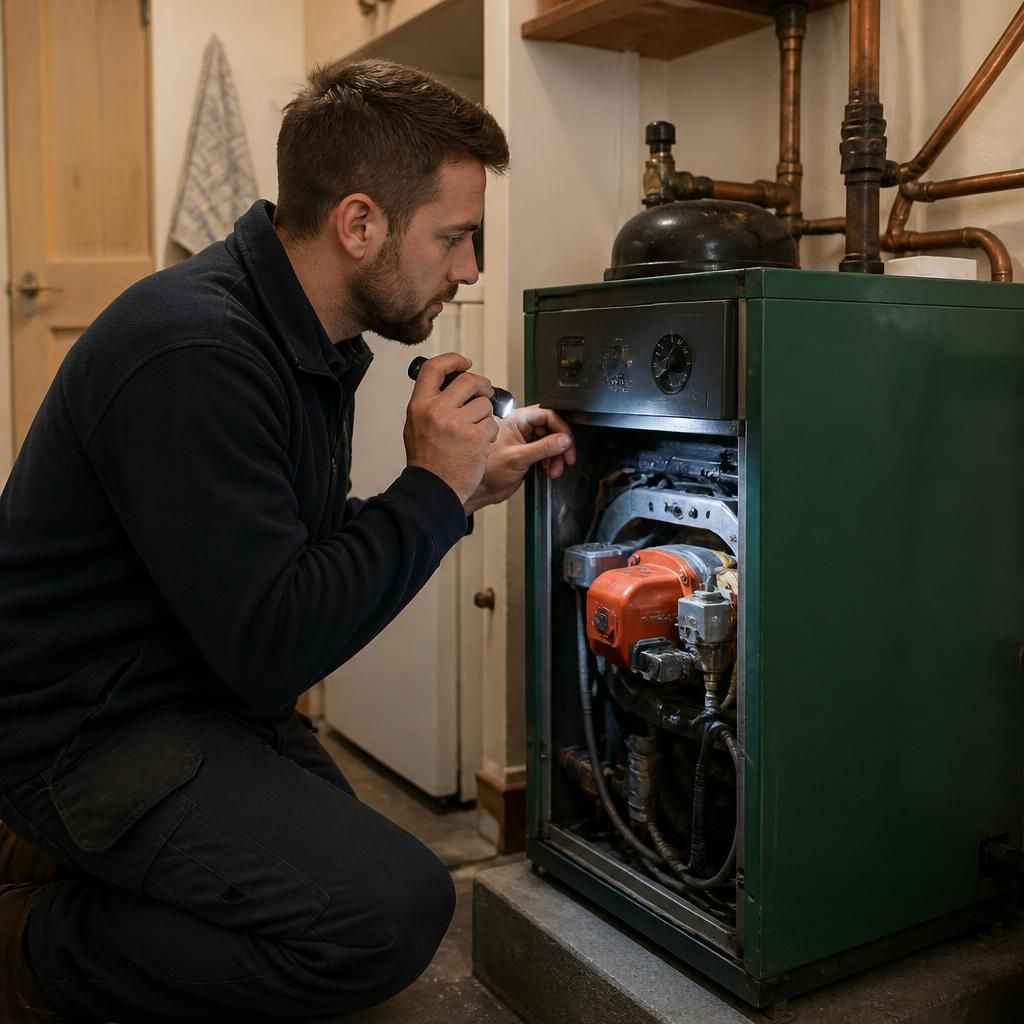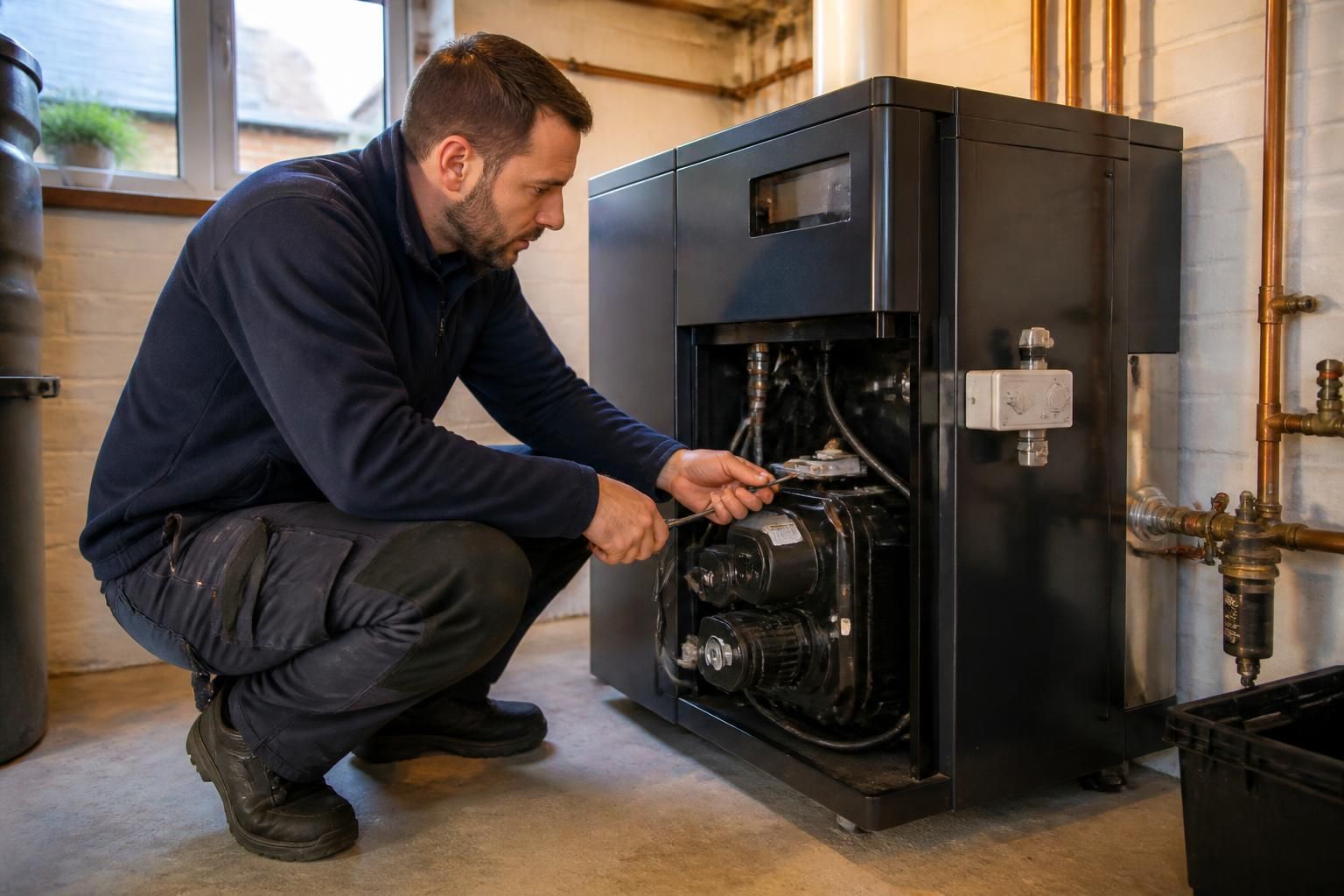
An oil boiler in a rented property can be inspected and repaired by a suitably competent heating engineer, provided the work is authorised by the landlord or managing agent where required. The repair should be arranged in a way that protects the tenant, preserves the landlord’s records and complies with the terms of the tenancy.
Who is normally responsible? In most tenancies, the landlord is responsible for keeping the property’s heating and hot-water installations in working order. This generally includes diagnosing faults with an oil boiler, arranging suitable repairs and dealing with replacement parts. The tenancy agreement may explain the reporting procedure and identify whether a managing agent handles maintenance.
A tenant could become responsible for the cost where the fault resulted from deliberate damage, misuse or failure to follow reasonable operating instructions. Ordinary wear, component failure and age-related faults would not usually be treated in the same way. The agreement and the specific circumstances should be checked before responsibility for payment is accepted.
What should a tenant do when the boiler fails?
- Report the fault to the landlord or managing agent using the agreed contact method.
- Describe the symptoms accurately, including error messages, unusual noises, loss of heating or hot water, and any visible oil leakage.
- Follow any safe instructions given, but do not remove covers, alter fuel components or attempt a repair.
- Keep records of the report, responses and any appointments offered.
- Provide reasonable access for inspection and repair, while confirming the identity and purpose of anyone attending.
If there is an oil smell, visible fuel escaping, smoke or a suspected fire risk, the boiler should not be operated. Leave the area if necessary and contact the appropriate emergency service where there is immediate danger. Do not try to contain a significant oil leak or restart the appliance until it has been assessed.
Does the landlord need permission to send an engineer? The landlord or managing agent should arrange the work, and the tenant should normally be given notice of an appointment unless urgent circumstances require a different approach. Tenants should not unreasonably prevent access, but they can ask for appointment details and raise practical concerns about entry. An engineer may need to inspect the boiler, oil supply, controls, flue and associated heating components before deciding whether a repair is suitable.
Oil-fired equipment should be worked on by someone with the appropriate competence and equipment for the system. A proper assessment may identify a straightforward component fault, a combustion or fuel-supply problem, unsafe installation conditions or damage that makes continued use unsuitable. The engineer should explain the diagnosis and proposed work rather than carrying out unauthorised additional work.
Can a tenant arrange the repair themselves? A tenant should generally avoid instructing an engineer without the landlord’s agreement, particularly where the work is costly or involves parts, system alterations or replacement. The landlord may refuse to reimburse an invoice that was not authorised. If the landlord cannot be reached and the problem creates an immediate risk to health or safety, the tenant should keep evidence of the attempts to report it and obtain independent tenancy advice before committing to non-essential work.
After the repair, the tenant should receive practical instructions for operating the boiler and report any continuing fault. The landlord should retain the engineer’s findings, invoices and any relevant safety documentation. Where a repair cannot restore safe operation, the next decision may involve further investigation or replacement rather than repeated temporary fixes.
Ideal Plumbing Services can advise homeowners, landlords and tenants on oil boiler faults, associated plumbing issues and the practical steps needed to arrange suitable repair work in Birmingham and the wider West Midlands.