The most useful preparation before an emergency oil boiler repair is to protect people from carbon monoxide or electrical hazards, preserve useful information about the fault, and avoid actions that could make the problem worse. Only carry out simple checks that do not involve opening the appliance, handling fuel or interfering with safety controls.
Check for carbon monoxide risks
- If a carbon monoxide alarm sounds, or anyone experiences headache, dizziness, nausea, breathlessness or unusual tiredness, leave the property and seek urgent medical advice. Do not use the boiler again until it has been inspected.
- Do not smoke, use candles or create naked flames near an appliance suspected of having an oil or combustion fault.
- Do not cover air vents, flues or grilles. These openings are important for combustion and ventilation, and blocking them can increase the risk of unsafe operation.
Make only safe external checks
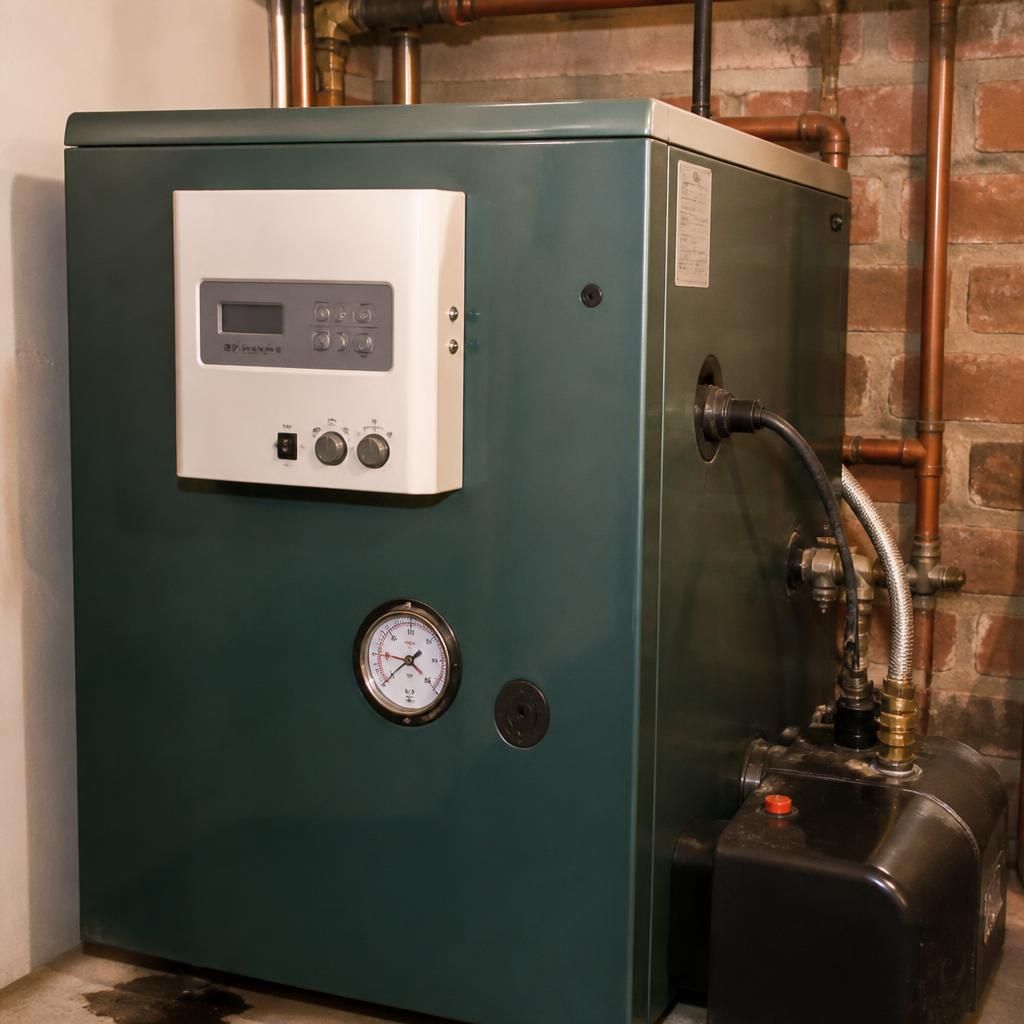
- Check whether the boiler controls have power and whether the programmer or thermostat is showing an obvious setting or display issue. Do not remove electrical covers or attempt wiring repairs.
- If the system has a pressure gauge, note its reading without adjusting it. Do not repeatedly press a reset button, bleed radiators or add water unless a qualified professional has specifically instructed you to do so.
- Check the oil tank from a safe position for an obvious low-level indication or visible damage, but do not climb onto the tank, open fittings or handle the oil line.
- Keep children and pets away from the boiler, tank, pipework and any affected room until the fault has been assessed.
Prepare accurate information for the repair assessment
Write down when the boiler stopped operating and what was happening immediately beforehand. Useful details include whether heating, hot water or both are affected; whether the problem is intermittent; any changes in the display; and whether a carbon monoxide alarm has activated. If it is safe to do so, take a photograph of the external control panel, pressure gauge and boiler identification label. Avoid taking photographs close to spilled oil, damaged wiring or other hazards.
Have the boiler’s service records, previous repair details and installation paperwork available if you have them. These documents can show the appliance type, maintenance history and any parts previously replaced. The boiler model and serial number may also be printed on an external data plate, but there is no need to search for it if doing so requires removing a panel or entering an unsafe area.
Consider the property and household arrangements
- If you rent the property, notify the landlord or managing agent and follow the tenancy procedure for authorising repairs. Explain any safety concern clearly rather than attempting an unauthorised repair.
- Tell the plumbing company about access restrictions, vulnerable occupants, pets and any known asbestos or electrical concerns before the appointment.
- Keep relevant keys, service documents and control instructions together so they can be provided without searching around the affected area.
Do not buy or fit replacement parts based only on the boiler’s symptoms. Oil burners, pumps, controls, thermostats and safety devices require correct diagnosis, and an incorrectly fitted component can create a fire, fuel or carbon monoxide risk. A qualified professional should test the appliance, combustion system and associated controls before deciding whether repair, servicing or replacement is appropriate.