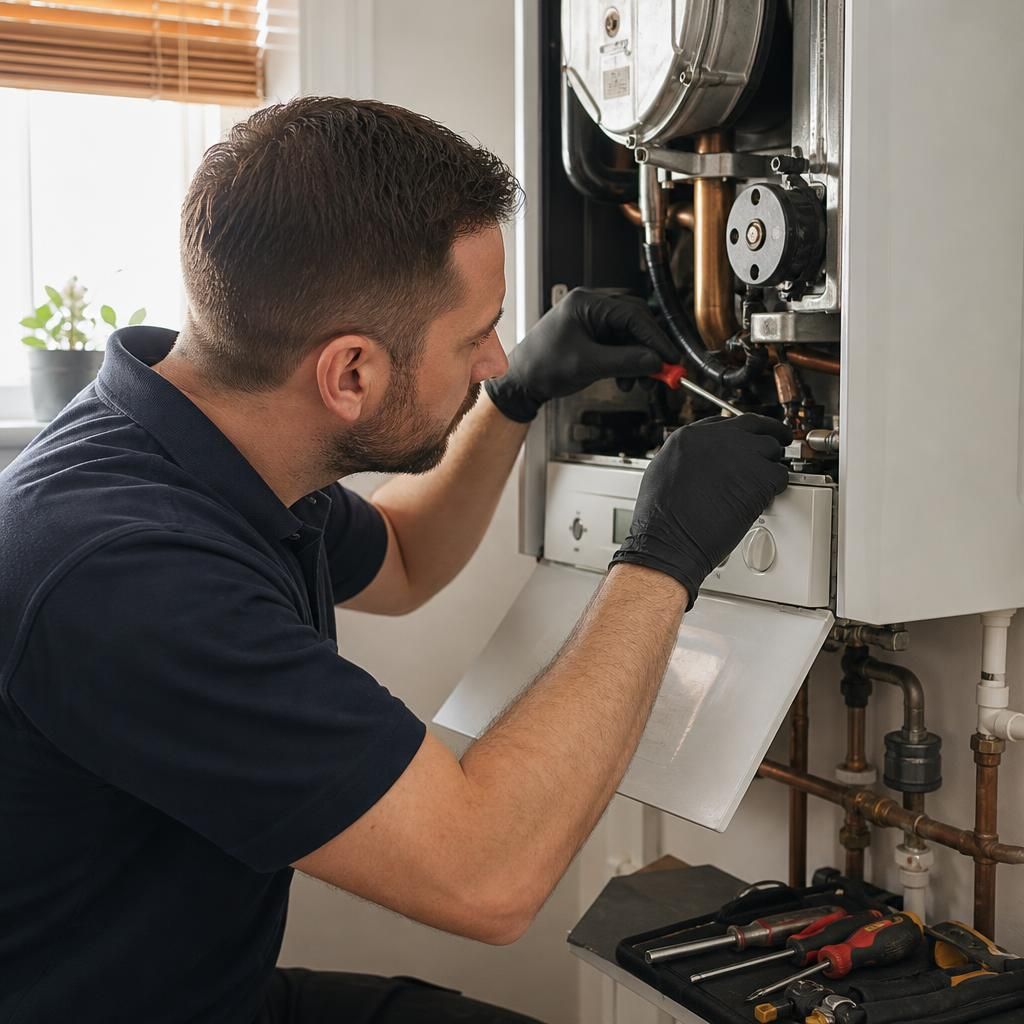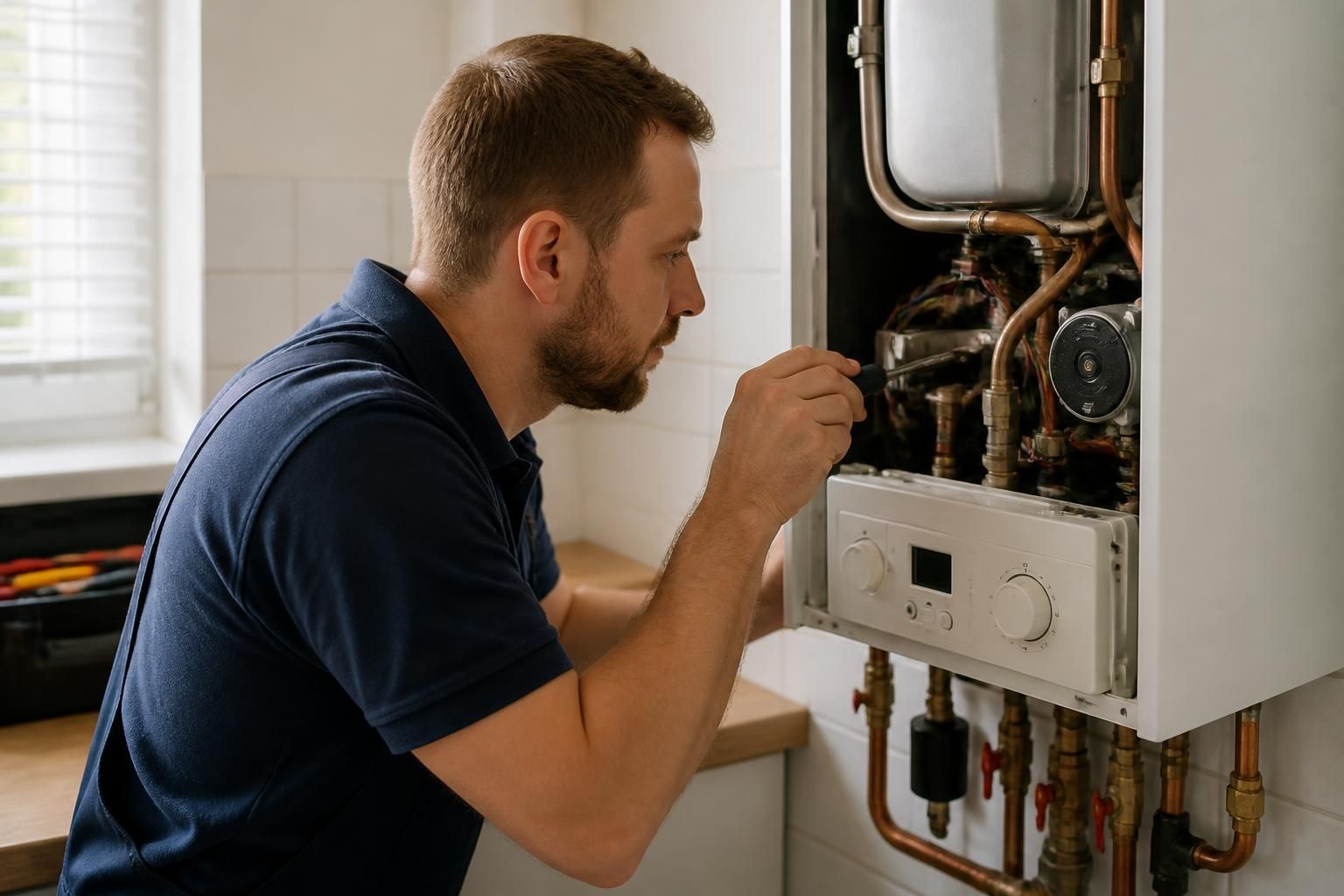
A reliable boiler repair estimate is based on a documented diagnosis and a clearly defined scope of work, rather than the boiler’s age alone. The final charge can also be shaped by how the fault affects the wider heating system, what safety checks are required, whether the work is covered by a warranty or insurance policy, and what is included in the quotation.
The extent of the diagnosis
Some problems can be confirmed through a visual inspection and basic operational checks, while others require a more detailed investigation. A fault code may identify the affected area without explaining why the problem occurred. The engineer may therefore need to assess pressure behaviour, electrical signals, controls, circulation and the condition of connected pipework before recommending a repair.
This diagnostic work is important because replacing a visible component without identifying the underlying cause can lead to a repeat failure. Ask whether the initial diagnostic charge is separate from the repair price and whether it is deducted if you approve the recommended work.
The condition of the wider heating system
A boiler does not operate in isolation. Poor circulation, contaminated system water, trapped air, pressure loss, unsuitable controls or a problem elsewhere in the heating circuit can affect boiler performance. If the boiler is working correctly but responding to a system-related issue, resolving that wider problem may form part of the total cost.
Where the system needs to be drained, cleaned, refilled or balanced, this involves additional work beyond a simple boiler adjustment. A thorough assessment should distinguish between the boiler fault itself and any contributing issue elsewhere in the installation.
Safety and compliance checks
Gas boiler repairs must be completed with appropriate safety checks. Depending on the work, the engineer may need to assess combustion, flue performance, ventilation, condensate discharge and the integrity of connections. Electrical components and controls may also require testing.
If a safety defect is found, correcting it may be necessary before the boiler can be returned to service. This can increase the cost compared with a repair that requires no related remedial work. It is reasonable to ask what testing is included and whether any recommended work is essential for safe operation or simply advisable maintenance.
Repair or replacement of connected controls
The boiler may be operating properly while a thermostat, programmer, sensor or other control is causing the symptoms. Identifying the defective part and confirming compatibility with the existing system can affect the estimate. Replacing a control may also require configuration or testing so that the heating and hot water functions operate correctly afterwards.
The boiler’s age and repair history
Older boilers are not automatically uneconomical to repair, but their service history is relevant. A boiler with one isolated fault may be a sensible repair candidate, whereas repeated failures, deteriorating components or several separate issues may make further spending less practical.
When a repair is being considered, compare the immediate cost with the boiler’s general condition and the likelihood of further work. A professional should explain the available options without presenting replacement as the only answer where a safe, appropriate repair remains possible.
Warranty, insurance and previous installation work
Some repairs may fall within a manufacturer’s warranty, home emergency policy or other cover. The terms can vary, including exclusions for poor maintenance, pre-existing faults and consequential damage. Check whether using a particular contractor, supplying specific evidence or obtaining approval before work is required.
If the boiler has been altered previously or installed with non-standard arrangements, additional investigation may be needed. Keep service records, installation documents and previous repair details available, as they can help the engineer understand the system and avoid unnecessary diagnostic work.
What a clear quotation should show
A useful quotation should make the proposed work understandable. It should state:
- the diagnosed fault or suspected cause;
- the repair recommended and why it is suitable;
- what testing is included before and after the work;
- whether diagnostic charges, labour and materials are included;
- whether any system cleaning, draining, refilling or remedial work is additional;
- the treatment of VAT, where applicable;
- any workmanship or component warranty offered; and
- what happens if further faults are found once the boiler is opened or tested.
Be cautious of an unusually low estimate that does not explain its scope. It may exclude diagnosis, safety testing, additional materials or follow-up work. Conversely, a higher estimate is not necessarily excessive if it includes wider system checks and the work needed to leave the installation safe and properly tested.
Ideal Plumbing Services provides boiler repair advice and quotations with no hidden charges, helping homeowners, landlords and tenants understand what they are paying for before deciding how to proceed. For a fair comparison, give each contractor the same information about the symptoms, boiler history and previous repairs, then compare the written scope rather than price alone.