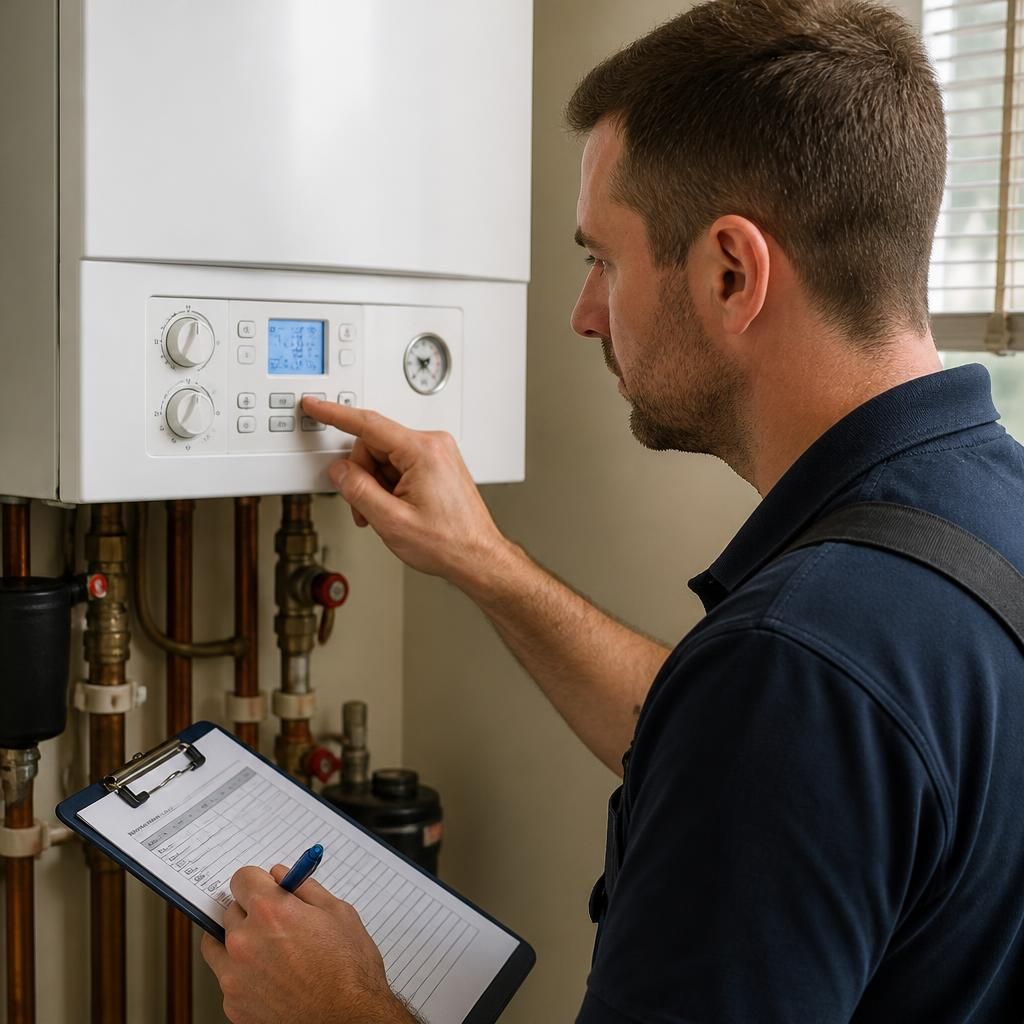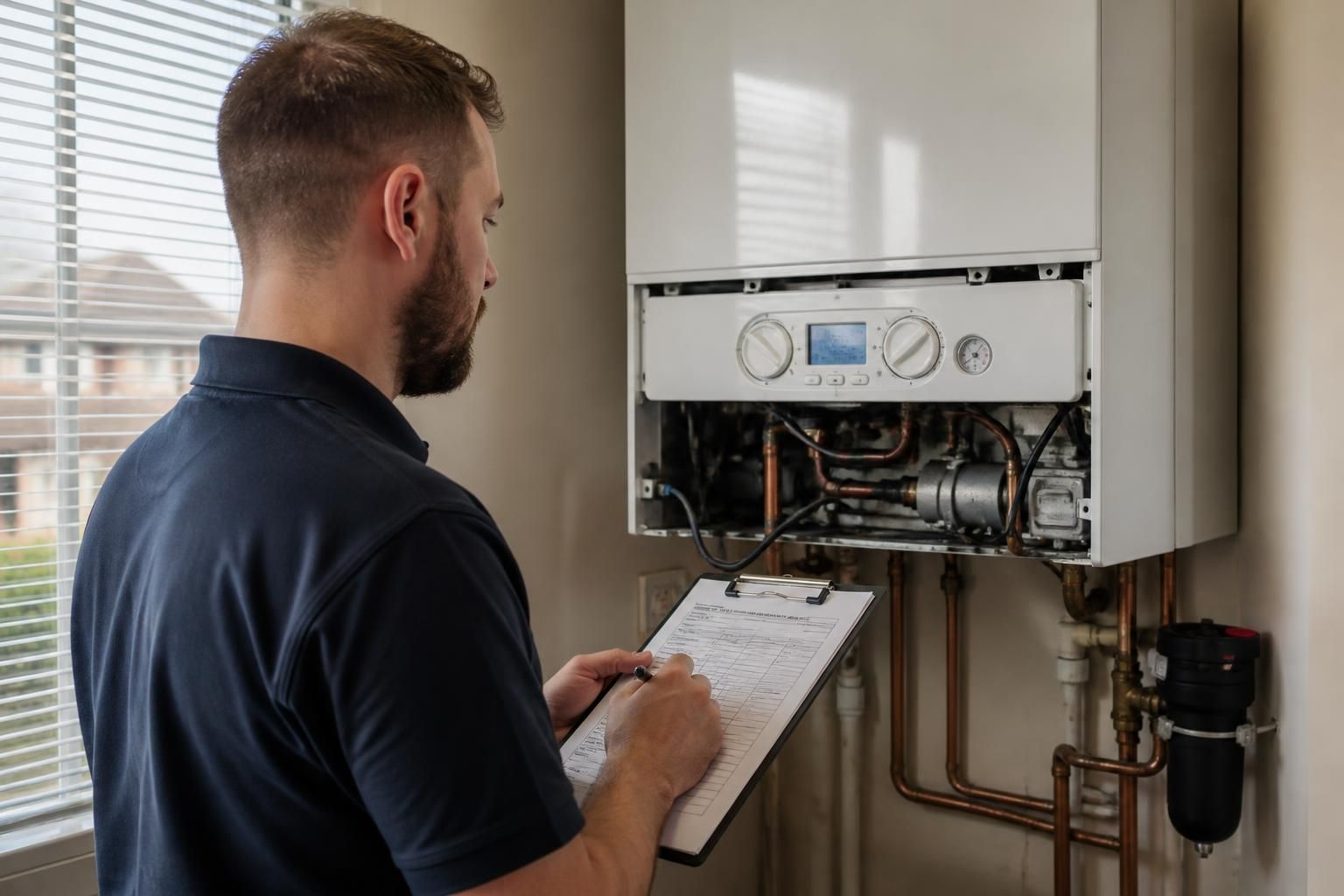
Before booking a boiler repair, gather accurate information about the fault, check that the proposed work is appropriate, and confirm what will happen during and after the visit. A useful checklist covers the boiler’s symptoms, safety risks, access requirements, paperwork, and whether repairing the appliance remains sensible compared with other options.
Record the symptoms before making contact. Note when the problem began, whether the boiler stops completely or works intermittently, any error codes, unusual noises, leaks, pressure changes, and whether the radiators or hot water are affected. If the problem follows a pattern, such as occurring when heating or hot water is selected, include that information. A clear description helps the engineer understand the issue before inspecting the appliance.
Do not remove the boiler casing or attempt to investigate internal components yourself. If you smell gas, suspect carbon monoxide, see water leaking near electrical equipment, or notice scorching or unusual combustion noises, turn the appliance off if it is safe to do so and follow the relevant emergency safety guidance. A boiler fault involving gas, combustion or electrical components requires professional assessment rather than trial-and-error repairs.
Have the relevant boiler details ready. The engineer may need:
- the boiler make, model and fuel type;
- the approximate age of the appliance;
- any displayed fault code or warning light;
- recent service or repair records;
- information about changes to the heating system, controls or radiators; and
- details of previous recurring faults.
This information can help establish whether the issue is likely to be within the boiler itself or connected to another part of the heating system, such as the controls, thermostat, pump, pipework or pressure-related components. It also allows the engineer to consider the appliance’s history rather than treating every fault as an isolated event.
Check what the inspection is intended to establish. A proper boiler repair assessment should identify the failed or unsafe component, explain the likely cause, and determine whether the appliance can be repaired appropriately. Ask whether the engineer will check related system components where they may be contributing to the fault. Replacing one part without investigating an underlying circulation, pressure or control problem may not resolve a recurring issue.
It is also sensible to ask whether the proposed work is a repair or only a temporary measure. Some faults can be corrected by replacing a component, while others may indicate corrosion, repeated breakdowns, obsolete parts or wider system problems. Understanding the condition of the appliance helps you make a reasoned decision rather than approving work without knowing its likely purpose.
Confirm the practical requirements before the appointment. Make sure the engineer has accurate access information and knows where the boiler, controls and relevant isolation points are located. Clear the area around the appliance so it can be inspected safely. If the boiler is in a cupboard, loft or other restricted space, mention this in advance. The engineer may need access to the heating controls, condensate pipe, flue route or nearby pipework, not just the front of the boiler.
Homeowners should have details of any previous work available. Tenants should check whether the landlord or managing agent needs to authorise a repair before an engineer attends. For rented properties, keep records of the reported fault and any instructions received, particularly where the issue may affect heating, hot water or property safety.
Ask what paperwork will be provided after the repair. The completed documentation should identify the fault, work carried out, parts replaced and any further recommendations. Where relevant, it should also record safety checks or test results. Keep this information with the boiler’s service and installation documents. It can help with future diagnosis, planned maintenance and decisions about whether continued repairs are practical.
Finally, consider whether the proposed repair fits the appliance’s overall condition. A single minor fault on an otherwise well-maintained boiler is different from repeated failures on an ageing or deteriorating system. Ask for a clear explanation of the options and the consequences of leaving the fault unresolved. With the boiler details, symptoms, access arrangements and documentation requirements prepared in advance, you can assess the advice properly before authorising the work.