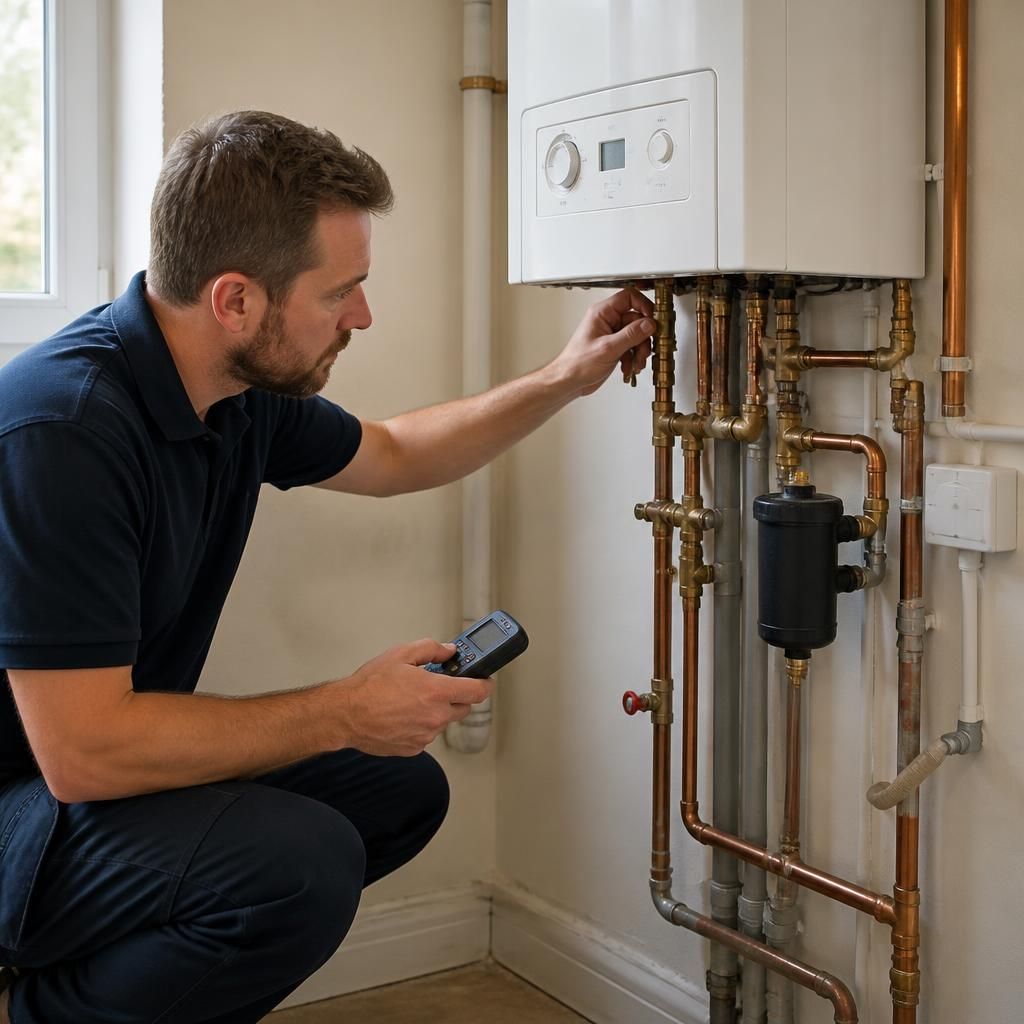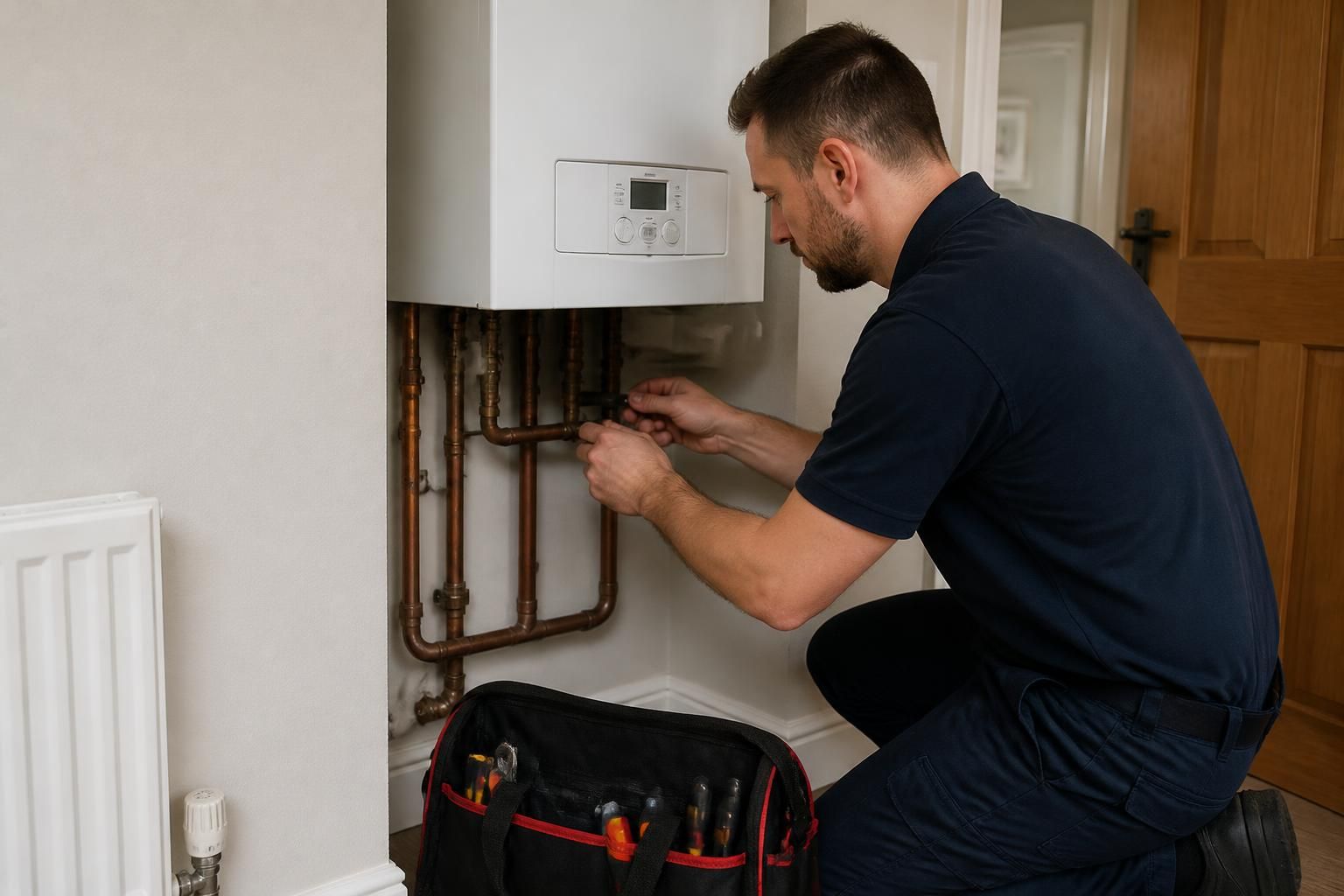
Preparing for a gas boiler replacement involves confirming the new system, making the installation area safe and accessible, and dealing with practical requirements before the engineer arrives. Good preparation helps identify decisions early, reduces avoidable delays and ensures the replacement is suitable for the property’s heating and hot-water needs.
Confirm what is being installed
Check the quotation or installation plan carefully so you understand the proposed boiler type, output, controls and flue arrangement. A like-for-like replacement is not always the best option: the property’s size, number of bathrooms, hot-water demand and existing heating layout may affect whether a combi, system or regular boiler is appropriate. Ask the installer to explain any changes to pipework, the condensate drain, the flue terminal and the boiler position.
- Confirm whether the existing hot-water cylinder, cold-water storage tank and heating controls will remain.
- Check which controls are included, such as a programmer, room thermostat or thermostatic radiator valves.
- Ask whether the quoted work includes removal and disposal of the old boiler.
- Establish whether any remedial work is needed to the gas supply, electrical connection, flue or condensate pipe.
- Clarify what certification and commissioning information will be provided after installation.
Check the proposed location and flue route
The replacement must be installed in a position that meets current safety and installation requirements. If the boiler is being moved, the engineer may need to assess wall construction, ventilation, pipe routes, drainage and the position of the flue terminal. A flue passing through a roof, cupboard or external wall can affect the work involved, particularly where access or additional building alterations are required.
Do not build in or permanently conceal the boiler, flue or isolation points before the installation has been completed and checked. Any cupboard or enclosure must provide the clearances and ventilation required for the particular appliance. The installer should confirm these requirements rather than relying on the dimensions of the old boiler.
Deal with safety matters before work begins
Do not attempt to disconnect the old boiler, alter gas pipework or remove the flue yourself. Gas work must be carried out by an appropriately qualified engineer. Tell the installer about any known faults, unusual smells, carbon monoxide concerns, previous alterations or areas where pipework may be hidden.
If there is a suspected gas leak or carbon monoxide alarm, leave the affected area and use the appropriate emergency gas safety procedure rather than waiting for a planned replacement. A carbon monoxide alarm should be positioned in accordance with the manufacturer’s instructions and the relevant installation guidance, but it must not be used as a substitute for correct boiler installation and servicing.
Plan for temporary interruption to services
Replacing a boiler normally requires the gas, electricity or water connections to be isolated during parts of the work. Plan meals, bathing and other activities accordingly, particularly if the property has young children, older residents or anyone with medical needs. Protect any temperature-sensitive items that depend on heating, and keep essential medication or equipment requirements in mind.
If the property has a separate water supply for an immersion heater, electric shower or other appliance, ask which facilities will remain usable and which may be affected. Avoid operating heating controls or attempting to restart the system while the engineer is working unless instructed to do so.
Prepare property information and permissions
For a rented property, the landlord or managing agent should approve the replacement and confirm who will arrange access and decisions about the specification. Landlords should also ensure that the required gas safety documentation and records are updated after the work. Leaseholders may need consent for changes affecting communal areas, external walls, roofs or shared flues.
Tell the installer about solar panels, smart meters, backup heating, underfloor heating, water softeners or other systems connected to the boiler or heating circuit. This information can affect isolation, controls and commissioning.
Keep the installation area suitable for work
In addition to providing access, consider the route between the entrance and the boiler. Fragile surfaces, wall decorations and items stored near pipe routes may need protection or temporary removal. Make sure the engineer can reach relevant isolation valves, the gas meter, the electrical supply, the hot-water cylinder and any heating controls that require inspection.
Ask in advance whether the installation may involve drilling, lifting floorboards, working in a loft or entering an external area. This allows you to identify access restrictions and discuss protection for flooring and furnishings before the work starts.
Have final questions ready
Before the replacement begins, confirm the agreed boiler model and controls, the scope of included work, any exclusions, payment arrangements and how changes will be handled if hidden defects are found. You can also ask how the system will be balanced, how the controls will be demonstrated and which documents you should retain.
After installation, the engineer should carry out safety checks, commission the boiler and explain its operation. Keep the installation and commissioning records, appliance instructions and warranty information in a safe place. If you are unsure about any preparation step, ask a qualified heating professional before altering the existing system.