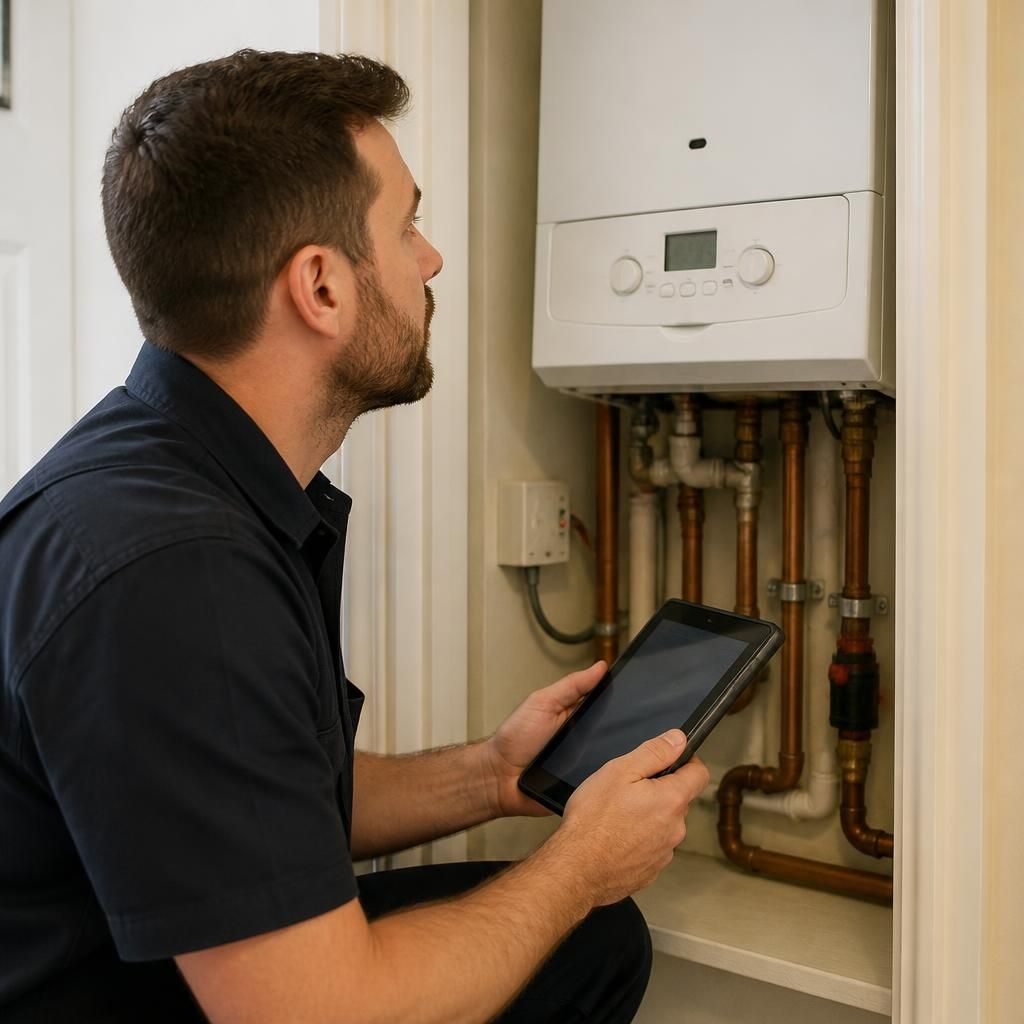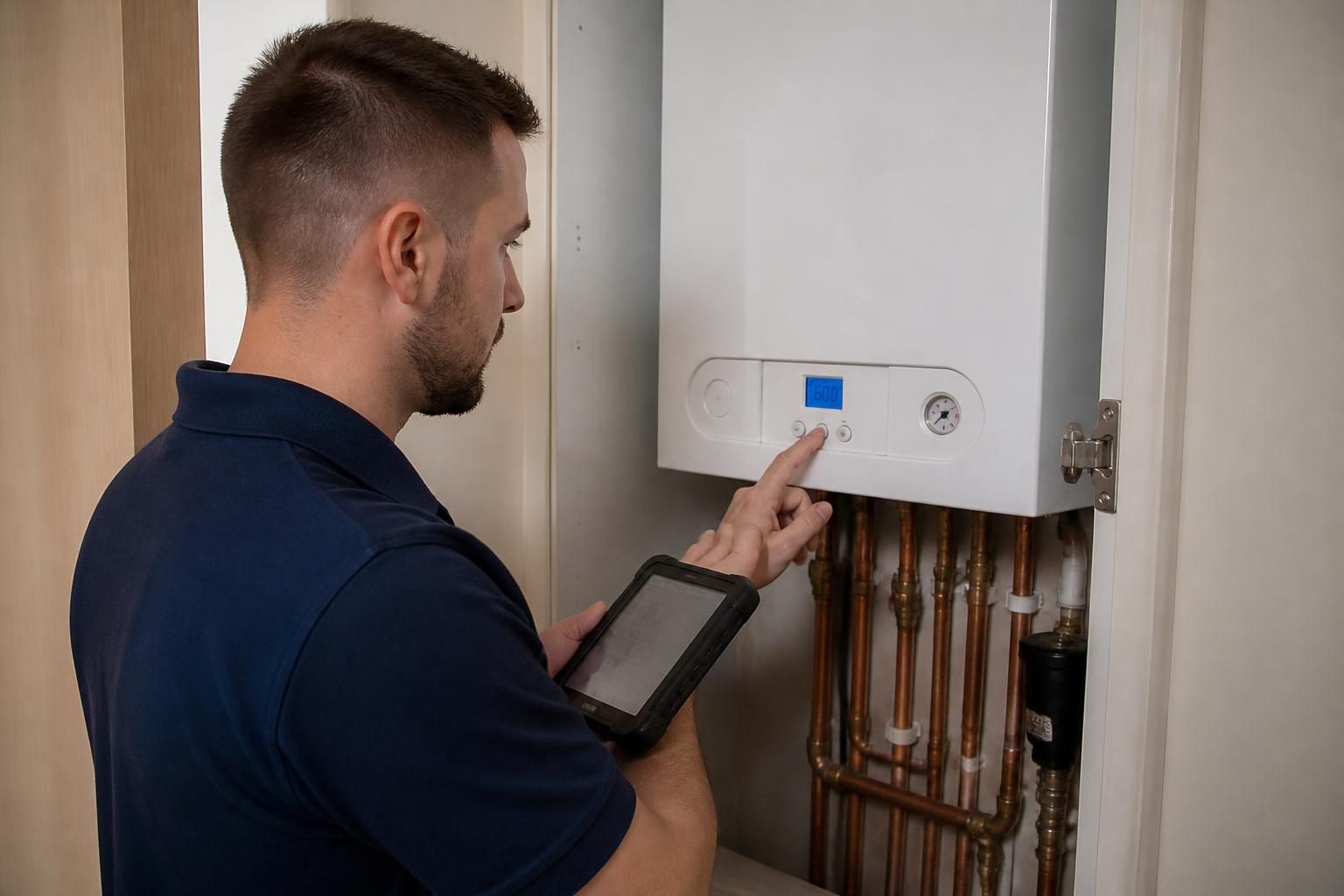
The cost of replacing a gas boiler is mainly determined by the scope of work needed to install a safe, compatible and compliant heating system. A straightforward exchange may cost less than a project that involves changing the hot water arrangement, adapting the heating system or carrying out remedial work in the property.
The existing hot water system
The type of hot water system already in the property can affect the work involved. Replacing a boiler while retaining the same arrangement is generally more straightforward than changing from a traditional system with a hot water cylinder and storage tank to a combination boiler, or the other way around. A change may require alterations to hot water pipework, cylinder connections, storage arrangements and the space available for the new equipment.
Where a cylinder or storage tank is being retained, its condition and compatibility with the replacement boiler may also be considered. Reusing unsuitable or defective components can lead to further faults, so a quotation may include recommendations for associated work where necessary.
Boiler position and access
The location of the boiler has a practical effect on labour costs. An installation in an accessible cupboard may involve less preparation than one located in a loft, tight enclosure or difficult-to-reach area. Moving the appliance to another room can add work because new connections, drainage arrangements and ventilation or enclosure requirements may need to be assessed.
Access through the property, protection of surfaces and the need to work around fitted units can also influence the time required. If cupboards or panels have to be adapted to accommodate the replacement appliance, this should be identified before work begins.
Condition of the heating system
The boiler is only one part of a central heating system. A survey may identify issues such as leaking joints, restricted circulation, sludge, corrosion, damaged radiators or a pressure problem. These faults do not always form part of a standard boiler exchange, but addressing them can affect the total cost and may help the new boiler operate correctly.
In some properties, the heating system may need cleaning or flushing before the replacement is commissioned. The appropriate method depends on the condition of the system and the type of contamination present. Any recommended treatment should be explained separately from the core installation cost.
Electrical and drainage requirements
Modern boilers need suitable electrical connections and a safe route for condensate discharge. If the existing electrical supply, socket position or condensate pipework is unsuitable, additional installation work may be required. External condensate routes may also need protection against freezing, particularly where pipework passes through an exposed area.
These details can be easy to overlook when comparing headline prices. A quotation should make clear whether electrical adjustments, condensate alterations and associated materials are included.
Efficiency and system improvements
The final price may increase where the replacement is intended to improve the wider heating system rather than simply exchange the appliance. Possible additions include upgraded zoning, improved temperature control, magnetic filtration or other system protection. These are not automatically required for every installation, so they should be recommended according to the property, the existing system and the homeowner's heating requirements.
It is useful to distinguish between work required for safe installation and optional improvements. Necessary remedial work should not be treated as an optional extra, while upgrades should be priced clearly so the customer can decide whether they are appropriate.
Labour, materials and certification
A replacement quotation normally reflects the engineer's labour, installation materials, testing, commissioning and removal of the old appliance. The price can vary according to the number of connections that must be altered and the amount of finishing work needed after installation. Any required notification, documentation or certification should also be explained as part of the completion process.
When comparing quotations, check whether the price includes:
- Removal and responsible disposal of the existing boiler
- All standard installation materials and connection work
- Alterations to pipework, drainage or electrical connections where specified
- System cleaning or treatment if recommended
- Testing, commissioning and completion documentation
- Any remedial work identified during the assessment
How to obtain a useful comparison
The most reliable way to establish the cost is to arrange an assessment of the existing installation rather than relying on a price based only on the boiler model. Provide details about the property, boiler location, hot water system, recurring faults and any planned changes to the heating layout. Photographs can help with an initial discussion, but they may not reveal access, safety or compatibility issues.
Ask for the quotation to separate the boiler and standard installation from additional work. This makes it easier to compare like-for-like proposals and reduces the risk of unexpected charges if the scope has been clearly defined. A suitable installer should explain why each recommended item is needed and identify anything that could only be confirmed once the existing system has been inspected.
For homes in Birmingham and across the West Midlands, a local plumbing and heating specialist can assess the property-specific factors that determine the replacement cost and provide a clear breakdown before work is agreed.