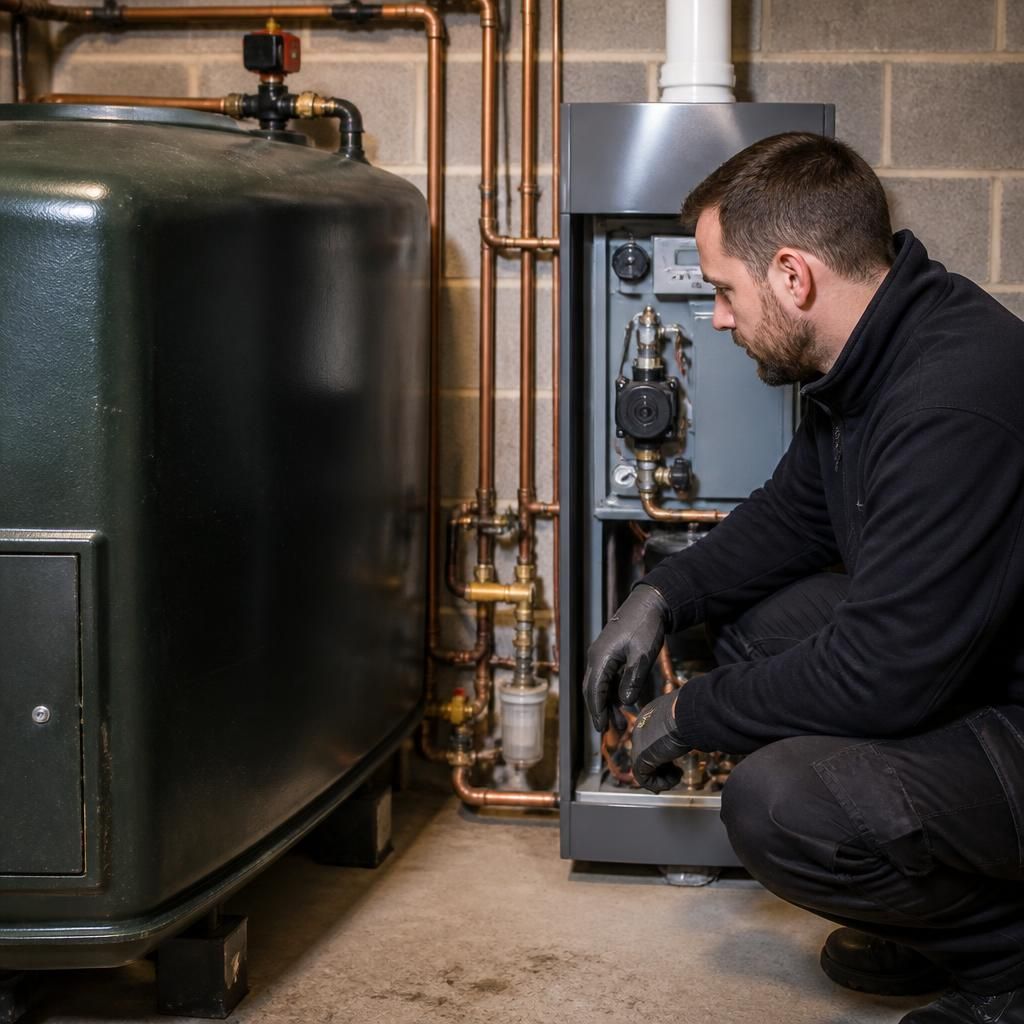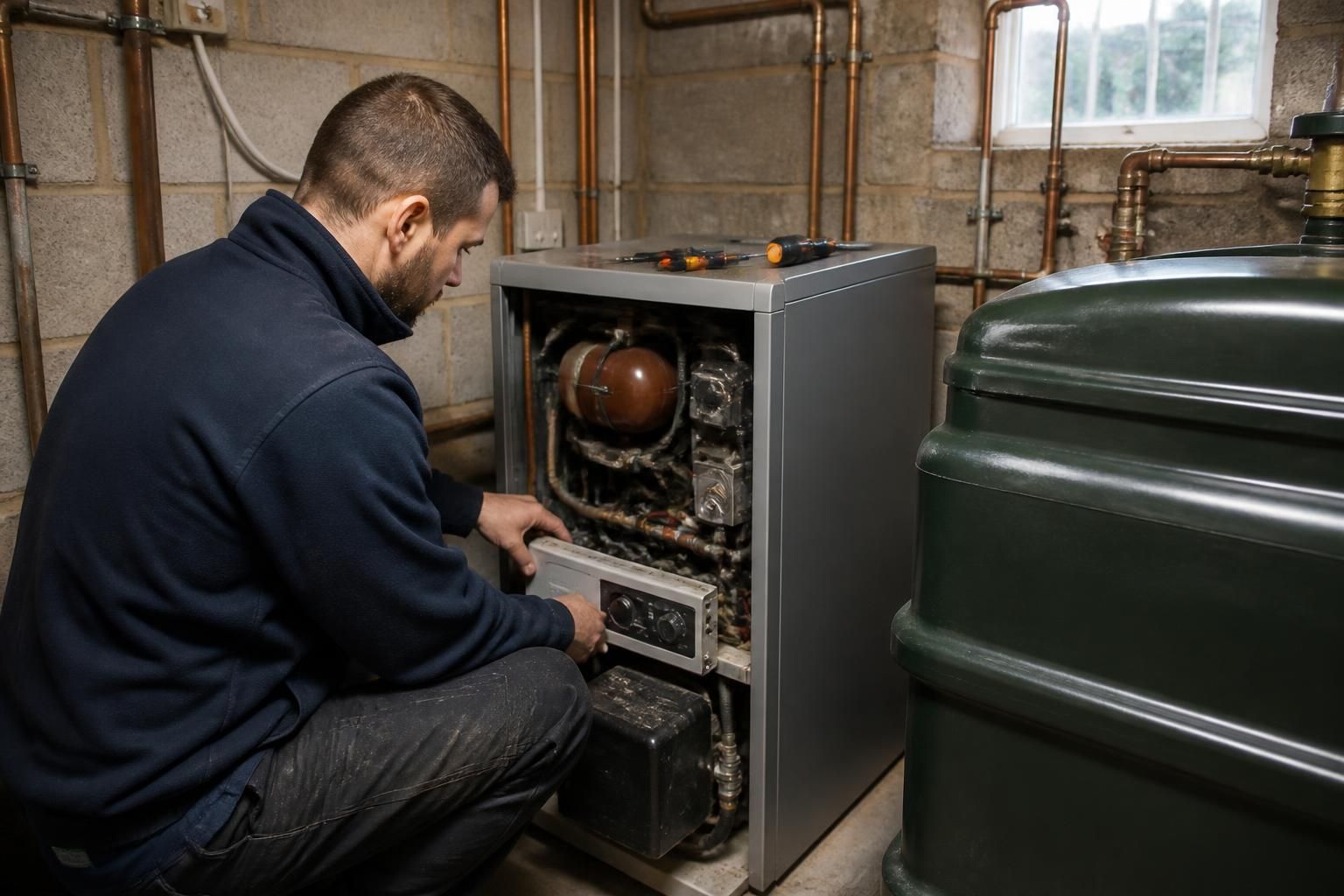
- Survey and system design: A professional assessment should consider the size and layout of the property, insulation levels, hot-water demand and the number of radiators. This helps avoid installing a boiler that is unnecessarily large or unable to meet the household’s needs. More detailed design work may increase the initial cost but can prevent unsuitable equipment and later alterations.
- Boiler specification: Replacement boilers vary in physical size, construction, controls and efficiency. A higher-specification model may cost more to purchase, while a straightforward like-for-like replacement may require less design and installation work. The suitable option depends on the existing heating arrangement and the property’s demand rather than price alone.
- Location and access: The position of the boiler and the route into the property affect labour requirements. Restricted access, difficult lifting conditions, limited working space or the need to protect finished surfaces can add preparation and installation time. Removing an old appliance from a difficult location may also involve additional handling and disposal work.
- Compliance work: The replacement must meet current safety and installation requirements. The price may therefore include adjustments needed to bring parts of the installation up to the required standard, together with inspection, testing and the relevant completion documentation.
- Building repairs and finishing: When the new boiler is a different size or occupies a different position, the work may leave gaps, old fixings or areas that need making good. Boxing-in, drilling, surface repairs or redecorating are not always included in a standard plumbing quotation, so they should be discussed before work begins.
- Electrical and structural requirements: Some installations require suitable electrical supplies, additional mounting arrangements or minor alterations to the surrounding area. Whether these are needed depends on the property and the proposed installation, and they should be identified during the assessment.
- Disposal and site protection: A complete price should explain whether the old boiler and associated waste will be removed, how the work area will be protected and whether the site will be left clear. These details can otherwise create differences between apparently similar quotations.
When comparing quotes, check that each one describes the same scope of work. It should identify the boiler specification, installation tasks, testing and commissioning, removal of waste, any compliance-related alterations, and work that is excluded. A quote that appears cheaper may not include preparatory work or finishing repairs that another contractor has allowed for.
Ask whether the price is fixed or subject to a further site assessment, and request any possible additional costs in writing before authorising the work. Unforeseen issues can arise when concealed pipework, older electrical components or hidden damage are exposed, but a clear process for dealing with variations helps prevent misunderstandings.
For a homeowner, landlord or tenant, the most useful comparison is therefore the total scope rather than the appliance price alone. A detailed assessment by a qualified oil-heating professional can establish what is actually required and produce a clearer replacement cost for the specific property.