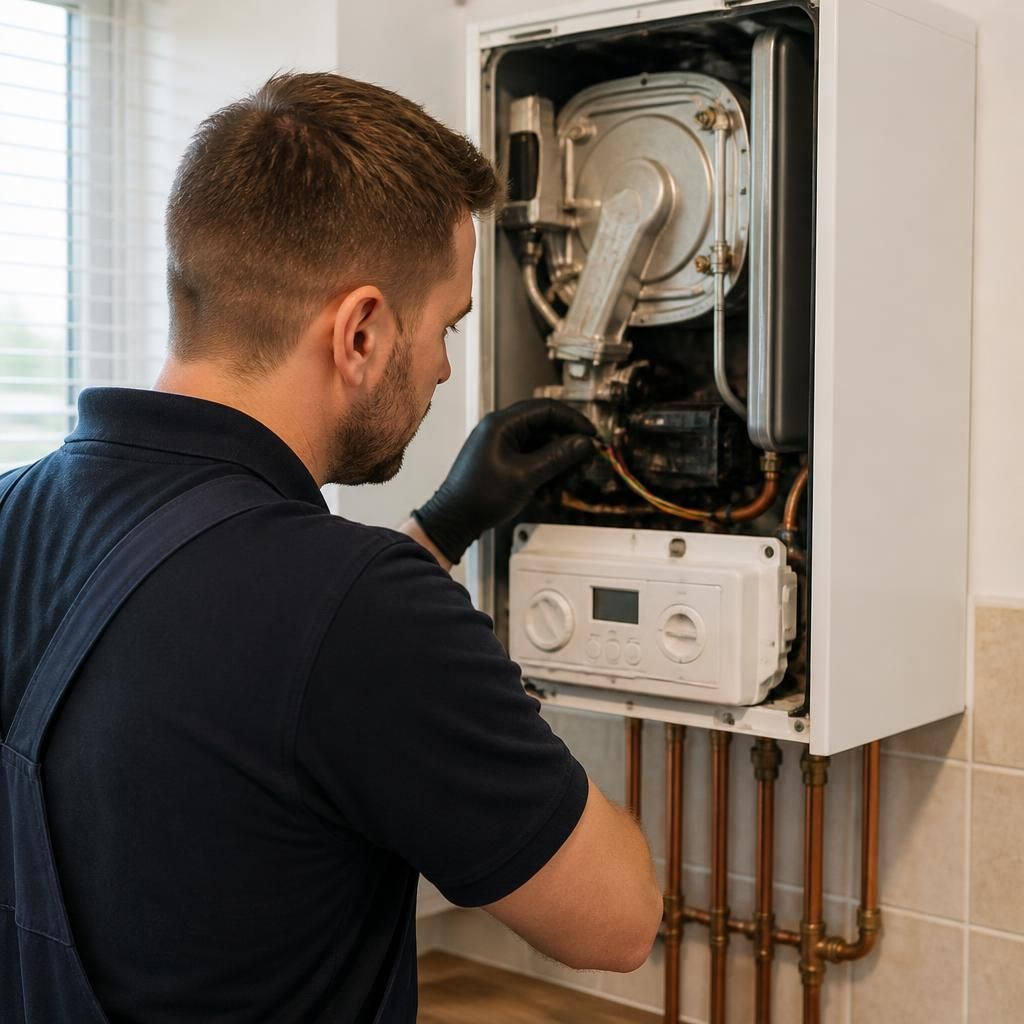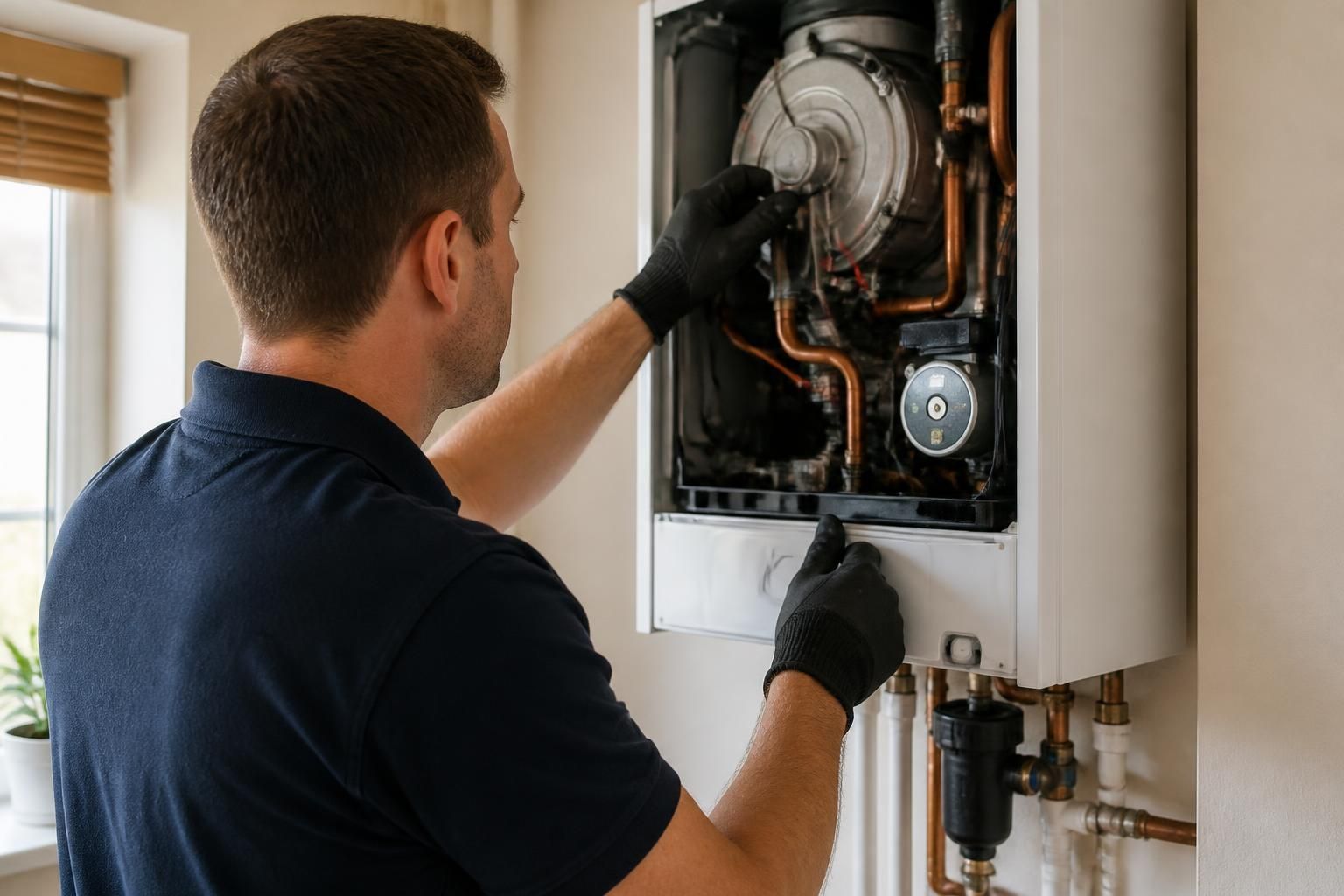
Brand-specific boiler servicing is normally a controlled interruption rather than a prolonged loss of household heating. The engineer may need to isolate the appliance while inspecting its components, checking combustion and safety functions, cleaning accessible parts and confirming that the boiler operates correctly afterwards. The exact effect on the household depends on the boiler type, its condition and how the heating and hot-water controls are arranged.
While the boiler is isolated, radiators will stop heating and a boiler-fed hot-water cylinder or combination boiler may not provide hot water. Existing warmth in the property will gradually reduce, but the rest of the home's electrical supply should not be affected. Appliances such as electric heaters, lighting and cooking equipment can generally continue to be used, subject to their own instructions and safety requirements.
The service may involve more than checking the boiler casing. The engineer can need clear access to the appliance, flue, condensate pipe, controls and surrounding area. If panels have to be removed or test equipment connected, household members may need to avoid the immediate work area. Keeping cupboards, storage spaces and access routes clear before the appointment can help prevent avoidable interruptions.
How much disruption is involved can vary according to:
- the boiler's design and installation layout;
- whether the appliance supplies heating, hot water or both;
- the condition of internal components and visible connections;
- whether the engineer identifies deposits, leaks, unusual readings or worn parts;
- the accessibility of the boiler, flue and related controls; and
- whether further investigation or remedial work is needed.
A standard service does not normally require the heating system to be drained. If a separate repair, component replacement or system cleaning is recommended, that is a different piece of work and may create a longer interruption. The engineer should explain what has been found, distinguish servicing from repairs and obtain agreement before carrying out additional chargeable work. Clear communication is particularly important where the property is rented, as the landlord or managing agent may need to authorise follow-on work.
There are practical ways to reduce the impact on the household. Arrange access to the boiler and controls in advance, make a note of any heating or hot-water symptoms, and tell the engineer about unusual noises, pressure changes, repeated resets or areas of poor heating. If anyone in the home is particularly dependent on consistent warmth or hot water, mention this when arranging the service so the work can be planned appropriately. Avoid changing controls or attempting to relight the appliance while it is being inspected.
Once the inspection and tests are complete, the engineer should explain the condition of the appliance and any safety-related findings. If the boiler cannot be operated safely, it should not simply be put back into use to avoid inconvenience. The engineer should explain the reason, identify any necessary repair or replacement options and confirm what the household needs to do next.
Professional servicing therefore causes a temporary, managed interruption in most homes, while providing information about the appliance's safety, condition and operation. Good preparation, clear access and a proper explanation of any additional work help keep the effect on household heating proportionate to the service required.