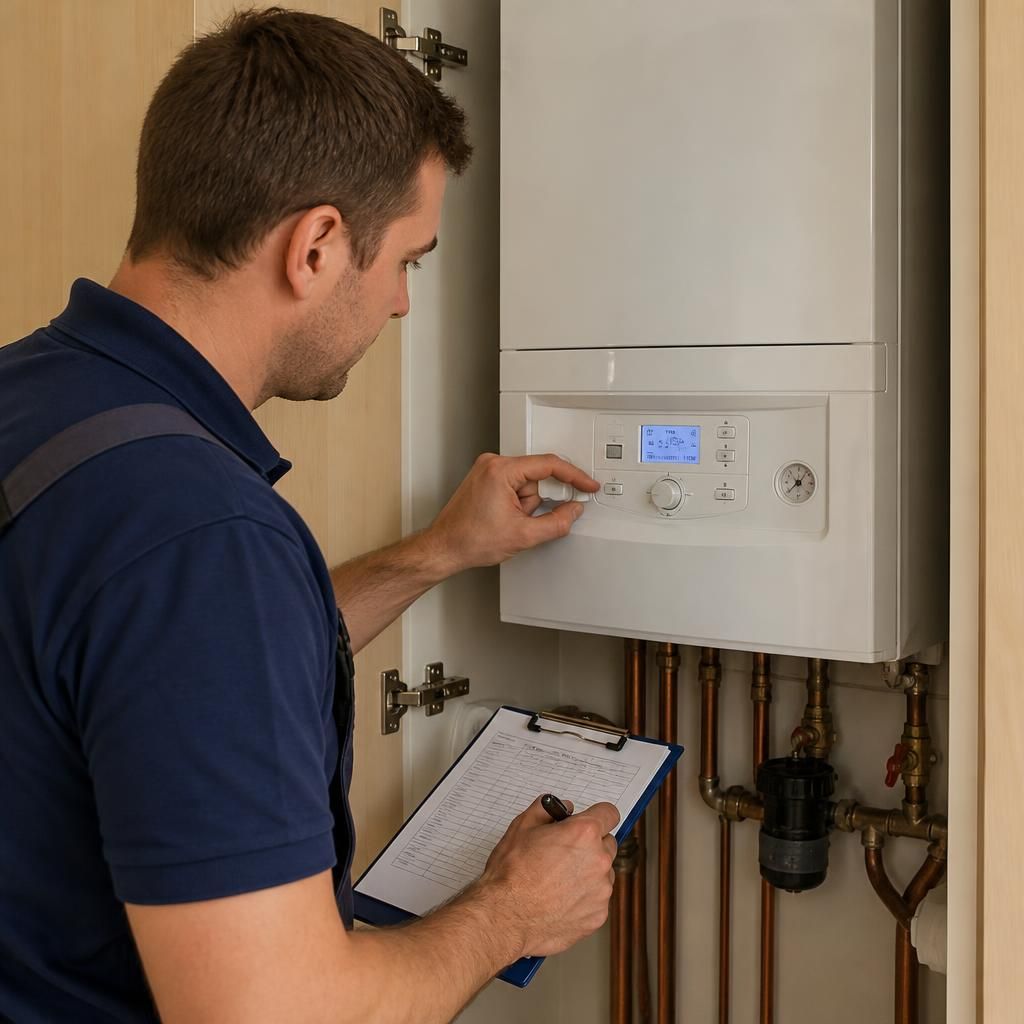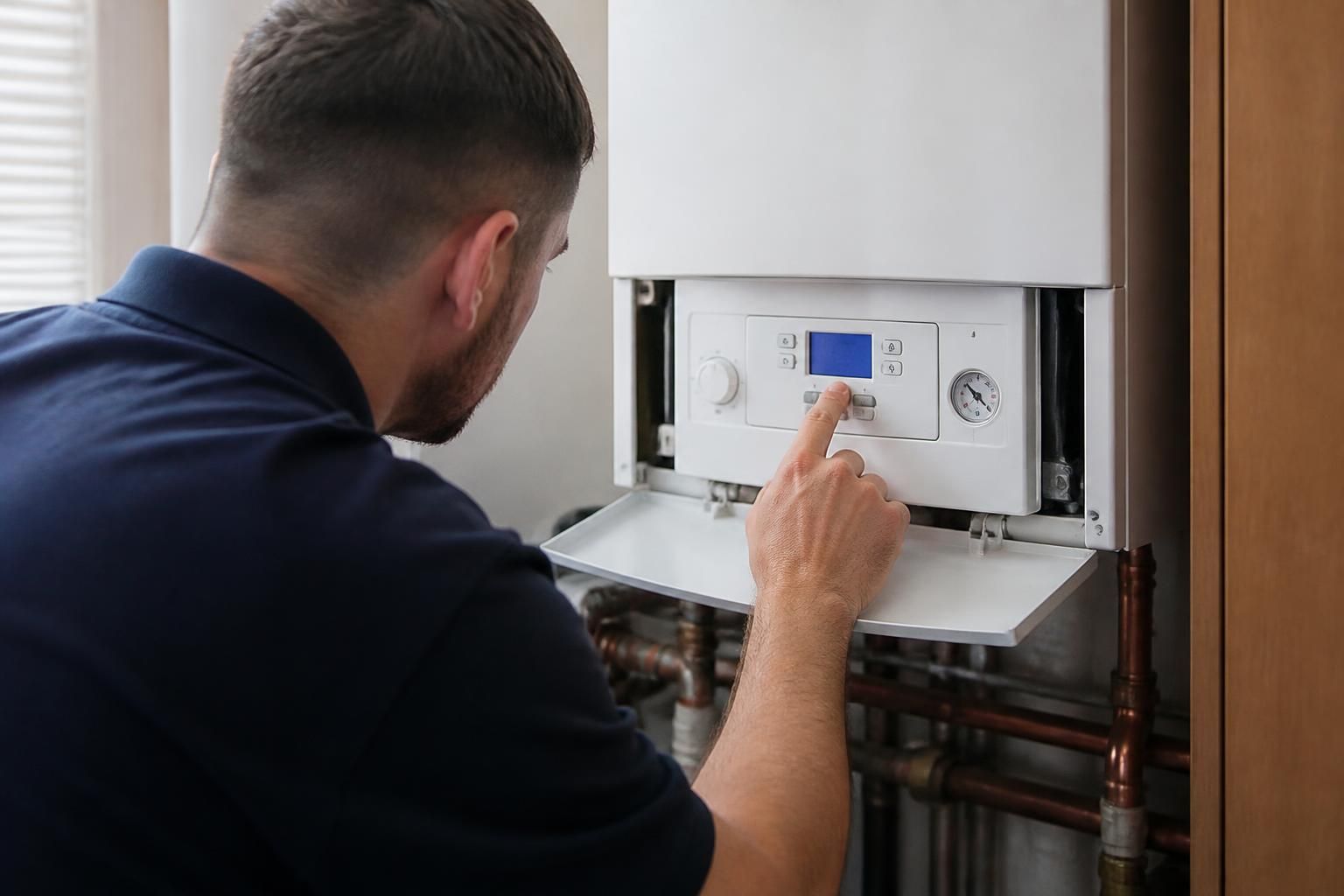
Boiler servicing costs by brand are mainly affected by the model’s service requirements, the availability of technical information and parts, and the labour involved in carrying out the checks correctly. The brand name alone does not determine the price: two boilers from the same manufacturer may have different servicing requirements, while similar models from different manufacturers may take a comparable amount of time to inspect.
Manufacturer-specific service procedures
Each manufacturer sets instructions for inspecting, testing and, where necessary, cleaning its boilers. These instructions can affect the work involved and the equipment an engineer needs to use. Some models have more detailed combustion checks, additional safety controls or components that must be inspected in a particular sequence. Where a service requires more stages or more precise testing, the labour element may be higher than for a simpler appliance.
A proper service should follow the manufacturer’s instructions rather than relying on a generic checklist. The engineer may need the appliance’s exact model information, service manual or technical documentation to confirm the correct procedure. Older or less commonly encountered models can take more preparation if information is harder to obtain, although this depends on the appliance rather than the badge on its casing.
Boiler type, model and age
Brand comparisons are most useful when the exact boiler type and model are considered. A combi boiler, system boiler and regular boiler can have different components and service requirements, even when made by the same manufacturer. The age of the appliance may also affect the work. Older boilers can have worn seals, restricted heat exchangers, corrosion or obsolete components that need closer examination during the service.
An older model is not automatically more expensive to service, but it may be more likely to require follow-on work. A routine service charge normally covers the agreed inspection and standard servicing tasks. It should not be assumed to include replacement parts, repairs or remedial work identified during those checks.
Parts and consumables
Some services may involve replacing service items such as seals, gaskets or other consumable components where the manufacturer’s instructions require this or where the existing item is no longer suitable. The price of these items varies between models. Specialist or less readily available parts can cost more than commonly stocked alternatives, and sourcing a part may involve additional work.
Parts should not be fitted simply because they are associated with a particular brand. The correct component must match the appliance’s model and specification. If a part is needed, the quotation should identify what is being replaced and whether the price includes the component, labour and any further testing.
Engineer knowledge and diagnostic equipment
Different boiler ranges use different control systems, fault codes and component layouts. An engineer familiar with the particular appliance may be able to follow the service information efficiently and identify relevant checks. Some models also require compatible diagnostic equipment or specific testing methods. The cost of maintaining and using that equipment can form part of the service provider’s pricing.
This does not mean that one brand is inherently more expensive or that a branded service is always necessary. The important consideration is whether the engineer can service the precise appliance safely and in line with its instructions.
Warranty and service-record requirements
Where a boiler is covered by a manufacturer’s warranty, the required servicing schedule and record-keeping arrangements may influence the work. The service may need to be documented clearly, with the date, appliance details, checks completed and any findings recorded. A service record can be important when demonstrating that the appliance has been maintained in accordance with the manufacturer’s conditions.
Warranty terms differ, so the boiler owner should check the relevant documentation rather than assume that every service has the same requirements. Ask whether the quoted service includes completion of the service record and whether any warranty-specific checks are included.
What a quotation should clarify
- Whether the price is for a standard service of the stated model or a broader inspection.
- Which safety, combustion and operational checks are included.
- Whether cleaning, seals or other routine consumables are included.
- How additional repairs, replacement parts and diagnostic work will be charged.
- Whether VAT and any other applicable charges are included in the quoted price.
- Whether the service record will be completed and any issues explained after the inspection.
For a meaningful comparison, provide the engineer with the boiler’s manufacturer, exact model, approximate age and any known fault symptoms before requesting a price. This reduces the risk of receiving a standard estimate that does not reflect the appliance’s actual requirements. A clear quote should separate the service itself from optional repairs, so the owner can decide how to proceed if the inspection identifies additional work.
Ideal Plumbing Services provides boiler servicing and heating support for homeowners, landlords and tenants in Birmingham and the wider West Midlands. A model-specific assessment allows the expected servicing work and any separate repair requirements to be explained before additional work is undertaken.