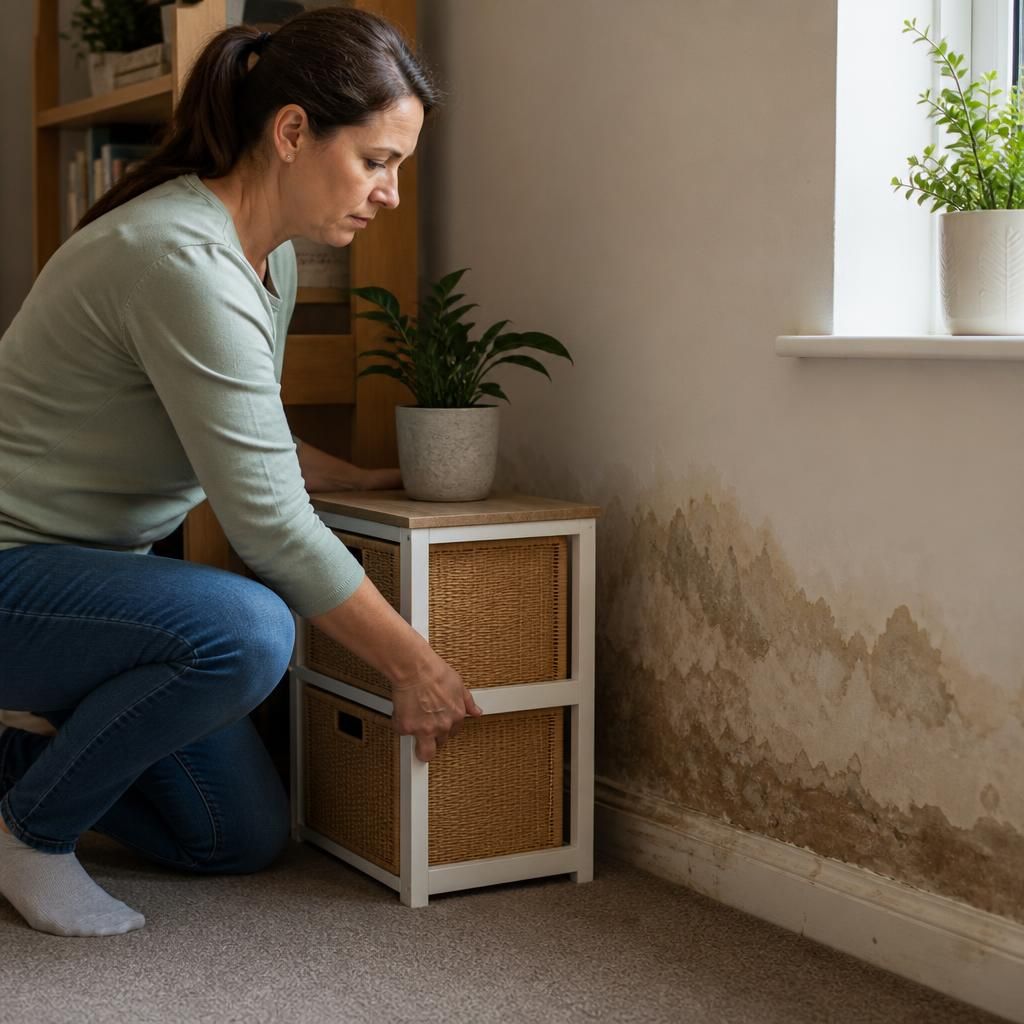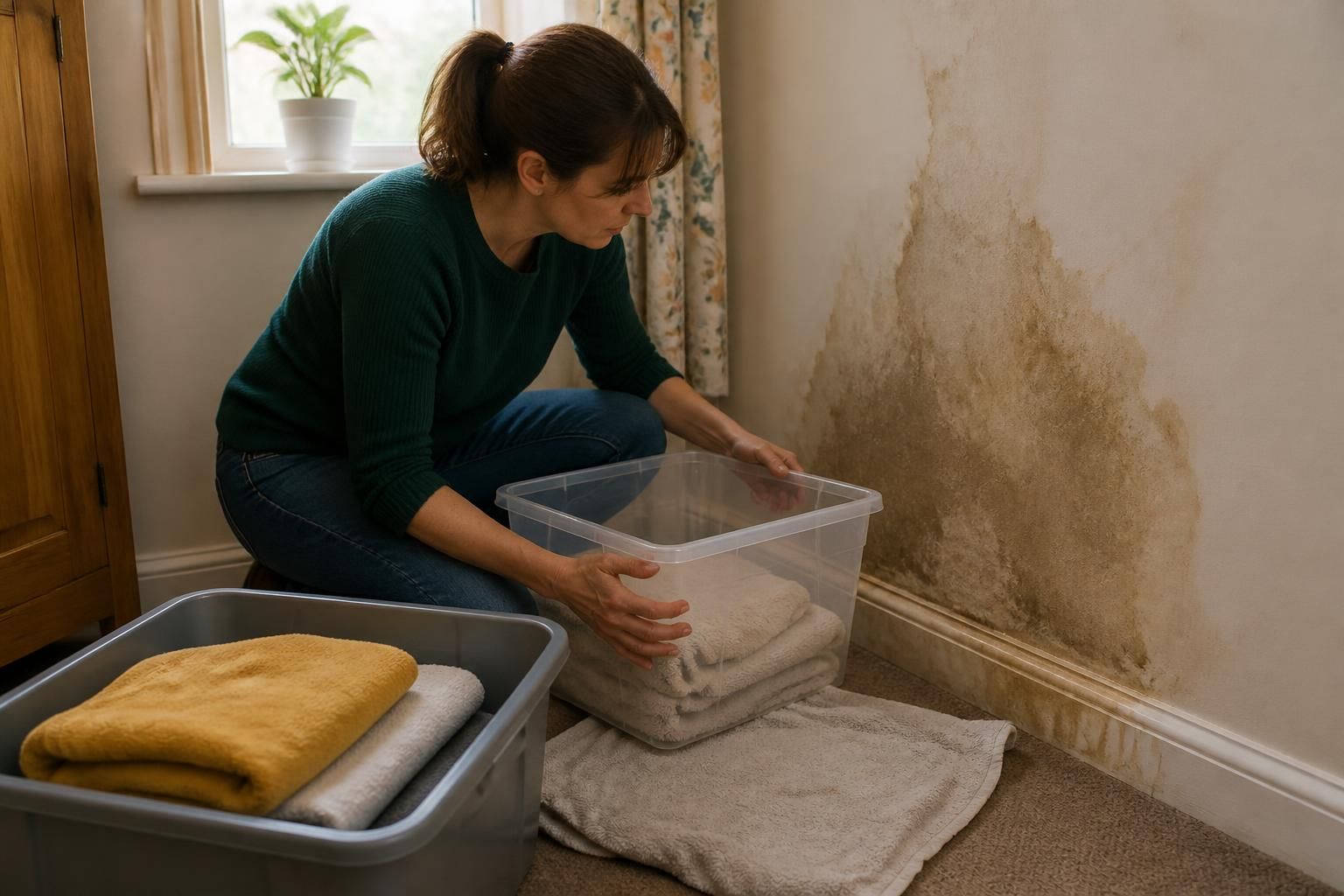
Before a leak detection plumber arrives, focus on safety, accurate information and access to the parts of the property that may be involved. Good preparation helps the plumber understand the symptoms, choose suitable testing methods and distinguish the source of the leak from the place where moisture has become visible.
Deal with immediate safety risks first. If water is close to sockets, appliances, consumer units or other electrical equipment, do not enter the affected area or touch electrical fittings while standing on a wet surface. Keep children and pets away from it. If you suspect that water has entered electrical equipment, leave it for a qualified electrician to assess rather than attempting to dry or dismantle it yourself.
If the situation involves a smell of gas, hissing from a gas appliance or a damaged gas pipe, treat it as a gas emergency rather than a routine water-leak investigation. Leave the property if necessary and contact the appropriate gas emergency service. Do not operate electrical switches or use naked flames near a suspected gas leak.
Gather useful information for the plumber. Write down details that may not be obvious during the visit, such as:
- which rooms or floors are affected;
- whether the problem appears only when a tap, toilet, shower, washing machine or heating system is used;
- whether the affected area is beneath a bathroom, kitchen, roof space or neighbouring property;
- any unusual sounds, smells or changes in the appearance of walls, ceilings, floors or joinery;
- whether the issue has appeared before and whether previous repairs were carried out; and
- any recent alterations, decorating, appliance installation or building work near the suspected area.
Photographs or short videos can be useful, particularly if the leak is intermittent or the visible signs change before the appointment. Include wider views showing the room and closer images of staining, discolouration, damaged materials or water marks. Keep the original files where possible, as their dates may help establish the sequence of events.
Prepare property and system information. If you know the location of the internal stop tap, water meter, boiler, hot-water cylinder, radiators, tanks or other relevant equipment, make that information available. Do not remove access panels, floorboards, boxing or fitted units unless a qualified professional has instructed you to do so. Leak detection may involve tracing pipe routes, checking pressure or using specialist acoustic, thermal or moisture-measuring equipment, and unnecessary dismantling can obscure the original condition of the area.
Have details of any previous plumbing repairs, insurance claim requirements or landlord instructions to hand. Tenants should notify the landlord or managing agent in line with their tenancy arrangements, especially where access, authorisation or responsibility for repairs is unclear. Landlords and homeowners may also need to retain photographs, reports and invoices for their records.
Make access practical without disturbing the affected area. Remove only loose, movable items that obstruct likely inspection points, and keep cupboards or service areas accessible where this can be done safely. Tell the plumber about locked rooms, shared areas, loft spaces, basements or neighbouring properties that may need permission for inspection. Secure pets separately and ensure an adult who understands the reported symptoms can explain what has happened.
Do not apply sealant, repaint staining, flush suspected pipework repeatedly or carry out a temporary repair immediately before the visit unless it is necessary to prevent further damage. Such actions can alter the evidence and make an intermittent leak harder to reproduce. If a temporary measure has already been made, record what was done and when.
Once the plumber arrives, explain the symptoms in chronological order and identify anything that changes the pattern, such as water use, heating operation or rainfall. Ask what areas will be tested, whether any opening-up may be needed and what information will be provided about the source and recommended repair. Leak detection identifies the likely origin of escaping water; repairing associated damage or hidden pipework may be a separate stage.