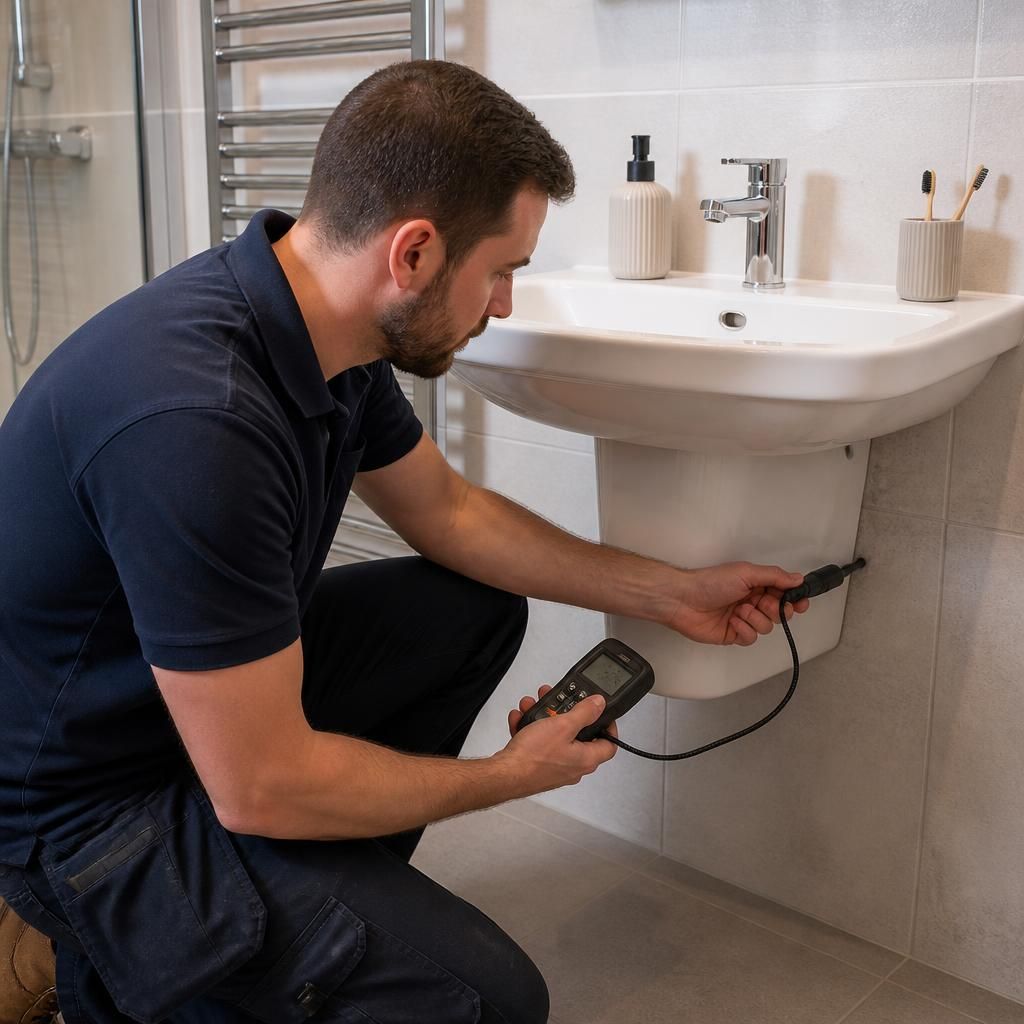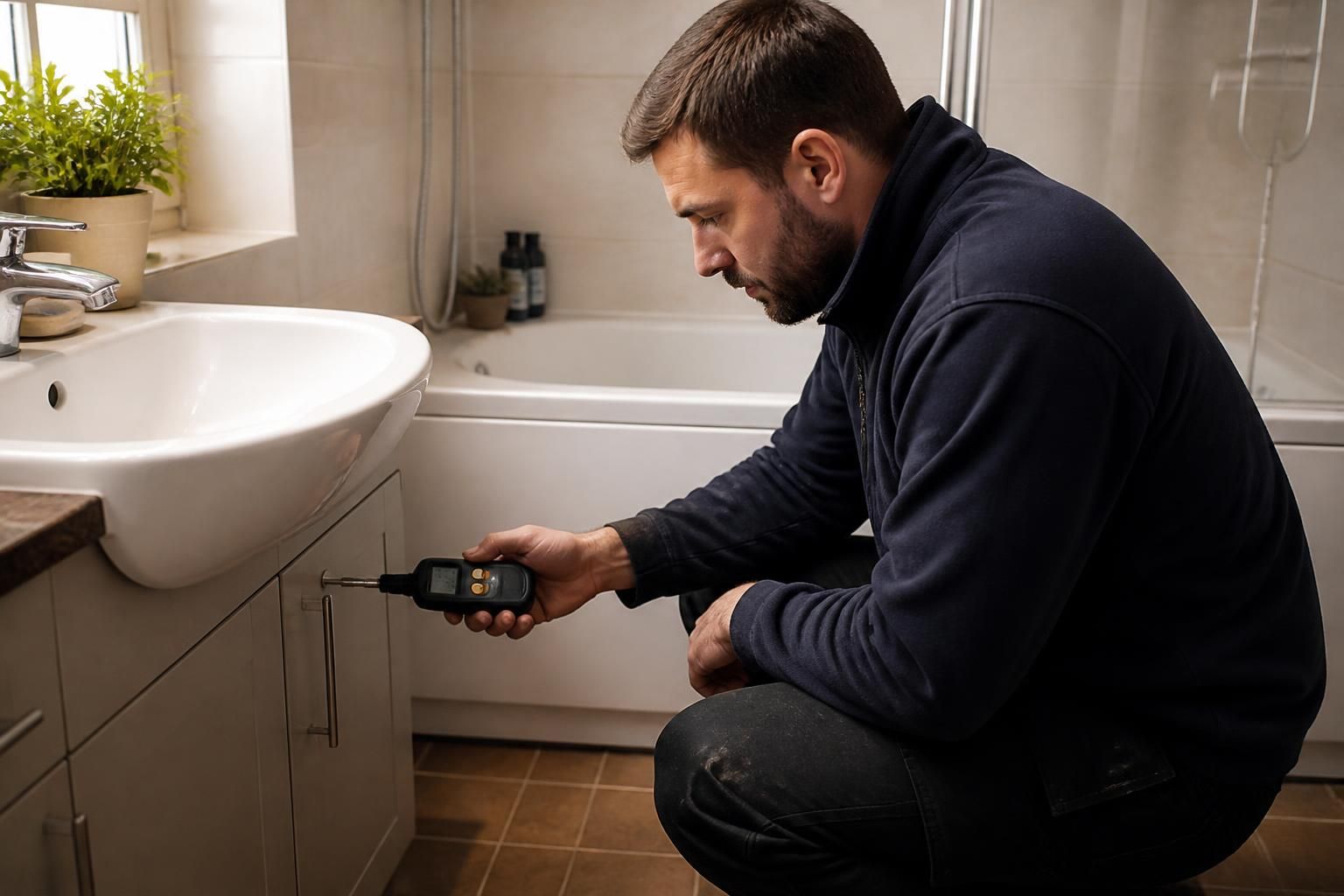
Bathroom leak detection is a practical diagnostic service for rented homes because it can help identify the source of concealed water loss without immediately removing tiles, flooring or sanitaryware. It is suitable for houses, flats and other rented properties where a leak may be affecting the bathroom, adjoining rooms or the building fabric.
Responsibility usually starts with reporting. A tenant should notify the landlord or letting agent as soon as there is evidence of a possible leak. The tenancy agreement may set out the preferred reporting process, access arrangements and any tenant responsibilities. The landlord or agent can then decide whether an inspection, repair or further investigation is needed.
In many rented properties, the landlord is responsible for maintaining the building and fixed plumbing installations. This can include pipework, toilets, baths, showers, basins and connections supplied as part of the property. A tenant may be responsible for damage caused by misuse, neglect or unauthorised alterations. The exact position depends on the tenancy agreement, the cause of the fault and the circumstances, so the tenant should avoid accepting liability before the source has been established.
Common reasons to arrange detection include:
- damp patches, staining or peeling paint around the bathroom;
- water appearing in a ceiling or wall below the bathroom;
- a persistent musty smell or signs of mould near plumbing fixtures;
- flooring that feels swollen, soft or unusually wet;
- water escaping around a bath, shower tray, toilet or basin;
- unexplained changes in water usage or a meter that continues moving when outlets are not being used; and
- dripping, hissing or other unusual sounds from concealed pipework.
A leak detection inspection may involve visual checks, moisture measurements and tracing the route of water from the visible symptom back towards its source. Depending on the property and the suspected fault, a plumber may also test individual fittings, inspect accessible pipework or use specialist equipment to narrow down the location. Detection is not the same as repair: the inspection establishes where water is escaping, while the appropriate repair depends on the damaged component and its accessibility.
Tenants can prepare for an inspection by:
- making a note of when the problem was first noticed and whether it changes after using the shower, bath, basin or toilet;
- taking dated photographs of staining, dampness or damaged finishes;
- clearing personal items from around the bathroom and any affected adjoining area;
- telling the landlord, agent or plumber about previous repairs, leaks or alterations; and
- keeping copies of messages, inspection notes, photographs and invoices.
Do not remove tiles, lift flooring or disconnect plumbing fittings to search for the leak unless the landlord has authorised this and the work is being carried out by a suitable professional. Unapproved alterations can make the damage worse and may complicate questions about responsibility. If water is near electrical fittings, avoid contact with the affected area and follow appropriate safety advice. Where it is safe to do so, stop using the suspect bathroom fitting and turn off the relevant isolation valve or water supply until the property’s responsible contact provides further instructions.
Access should normally be arranged through the landlord or letting agent in accordance with the tenancy agreement and applicable notice requirements. A tenant can explain which rooms may need inspection, whether there are vulnerable occupants or pets, and whether there are access restrictions. If the leak affects another flat or a neighbouring property, the landlord or managing agent may also need to coordinate access with other occupants.
For landlords and agents, arranging detection rather than relying only on visible damage can help establish whether the problem comes from a fitting, supply pipe, waste connection, seal or concealed section of plumbing. A written record of the suspected source and any recommended repair provides useful information for maintenance decisions, contractors and insurance enquiries. The findings do not by themselves determine tenancy liability; that depends on the evidence, the tenancy terms and the cause of the damage.
Bathroom leak detection is therefore appropriate in rented properties whenever the source of water loss is uncertain, concealed or potentially causing damage beyond the bathroom. It gives the landlord, agent and tenant clearer information before repair work is selected, while helping to distinguish a plumbing fault from condensation, surface splashing or another source of dampness.