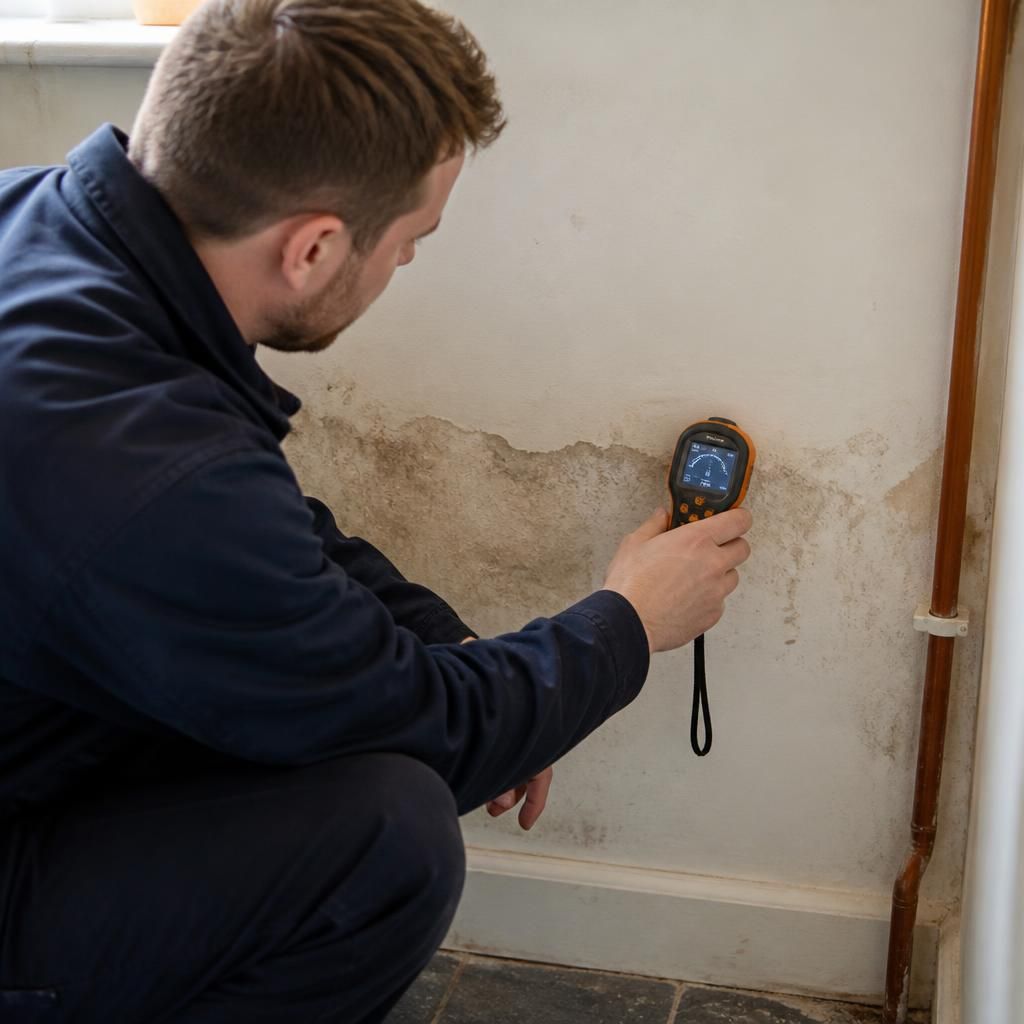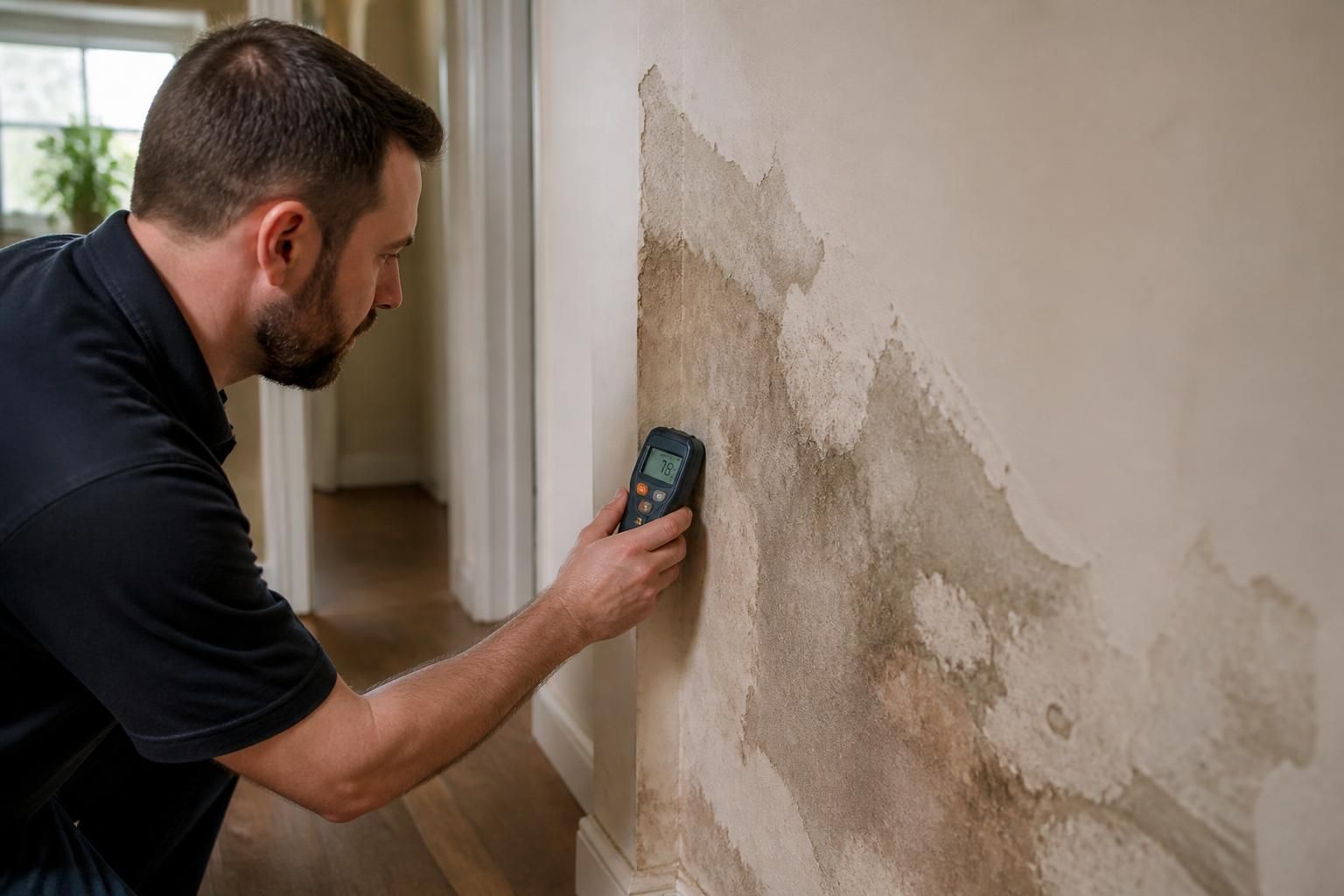
Before a leak detection visit, prepare the property, relevant information and any safety details that may help the plumber investigate without unnecessary disruption. Good preparation does not involve dismantling fittings or opening walls; it is mainly about preserving evidence, arranging access and explaining the building’s plumbing history accurately.
Gather useful property information
- Make a note of the property’s age, any known extensions or conversions, and whether the plumbing is original or has been altered.
- Find any available plumbing plans, maintenance records, installation documents or previous inspection reports.
- Record details of earlier leaks, repairs, boiler or bathroom work and insurance-related inspections, including which areas were affected.
- Make a list of rooms, fixtures or appliances connected to the suspected plumbing system, such as bathrooms, kitchens, radiators, washing machines and external taps.
This background can help distinguish a new leak from an older stain or moisture problem. It is also useful to mention whether the property has a concrete floor, suspended timber floor, loft pipework, underfloor heating or concealed services, as these features can affect how a leak is investigated.
Arrange practical access
Make sure the plumber can enter every relevant part of the property, including rooms above or below the suspected area, cupboards containing pipework, the boiler area, loft spaces and utility areas. If the property is rented, the landlord, managing agent or tenant should agree in advance who can provide access and who can authorise any follow-up repair. For flats or connected properties, consider whether a neighbour, communal area or building manager may need to be involved.
Move valuable, fragile or difficult-to-replace items away from areas that may need inspection. Protect belongings near damp flooring or ceilings, but do not cover wet surfaces so thoroughly that they cannot be examined. If furniture cannot be moved, tell the plumber where hidden pipework is likely to run.
Take sensible safety precautions
- Keep children and pets away from wet flooring, exposed areas and equipment during the inspection.
- If water is close to sockets, electrical appliances or lighting, avoid contact with the affected area and explain the risk before work begins.
- Do not remove flooring, plasterboard, kitchen units or sanitaryware to look for the leak yourself.
- Do not apply sealant, filler or a temporary patch immediately before the visit, as this may conceal useful evidence or change the moisture pattern.
If there is active water ingress, use only safe, accessible isolation controls that you understand. Where electrical safety is uncertain, do not touch switches, appliances or wiring in the affected area. Tell the plumber exactly what has been isolated and when, rather than making changes to concealed pipework or fittings.
Prepare questions about the investigation
It is reasonable to ask what areas will be assessed, which non-invasive methods may be suitable, whether moisture readings or specialist listening equipment will be used, and how the findings will be explained. You can also ask whether the visit is intended to locate the source only or whether a repair may be considered separately. Leak detection and repair are often different stages: identifying the source does not necessarily mean that opening-up work or replacement can be completed during the same visit.
Keep a record of the inspection findings, readings, photographs and any recommended next steps. If the leak may involve a landlord, insurer or managing agent, ask for a clear written summary that identifies the suspected source, affected areas and any further investigation or repair required. This provides a useful reference when deciding how to proceed.
Accurate information, safe access and undisturbed evidence give a leak detection professional the best basis for assessing moisture and tracing its source. Ideal Plumbing Services provides leak detection and plumbing support for residential customers in Birmingham and across the West Midlands.