Leaving the property is generally only considered where there is a specific safety, access or privacy reason. The detection process itself is usually focused on identifying the source and route of a leak, rather than carrying out extensive building work. Your plumber should explain any restrictions before starting and tell you if a particular room needs to be vacated.
You may be asked to stay away from an area in circumstances such as:
- Electrical risk: water near sockets, appliances, consumer units or other electrical equipment can make an area unsafe until it has been assessed.
- Contaminated water: wastewater from a damaged drain or sewage pipe requires extra hygiene precautions, particularly for children, pets and anyone with increased health vulnerability.
- Restricted access: cupboards, loft spaces, service voids or areas behind fixed fittings may need to be opened or cleared so the source can be traced safely.
- Further investigation: if the evidence points to a concealed pipe, the plumber may need to discuss limited opening of plasterboard, flooring or other finishes. This is different from the detection stage and should be explained before it is undertaken.
- Equipment or working conditions: some inspection equipment, noise, dust or temporary isolation of a water supply may make it preferable for people and pets to use another part of the property.
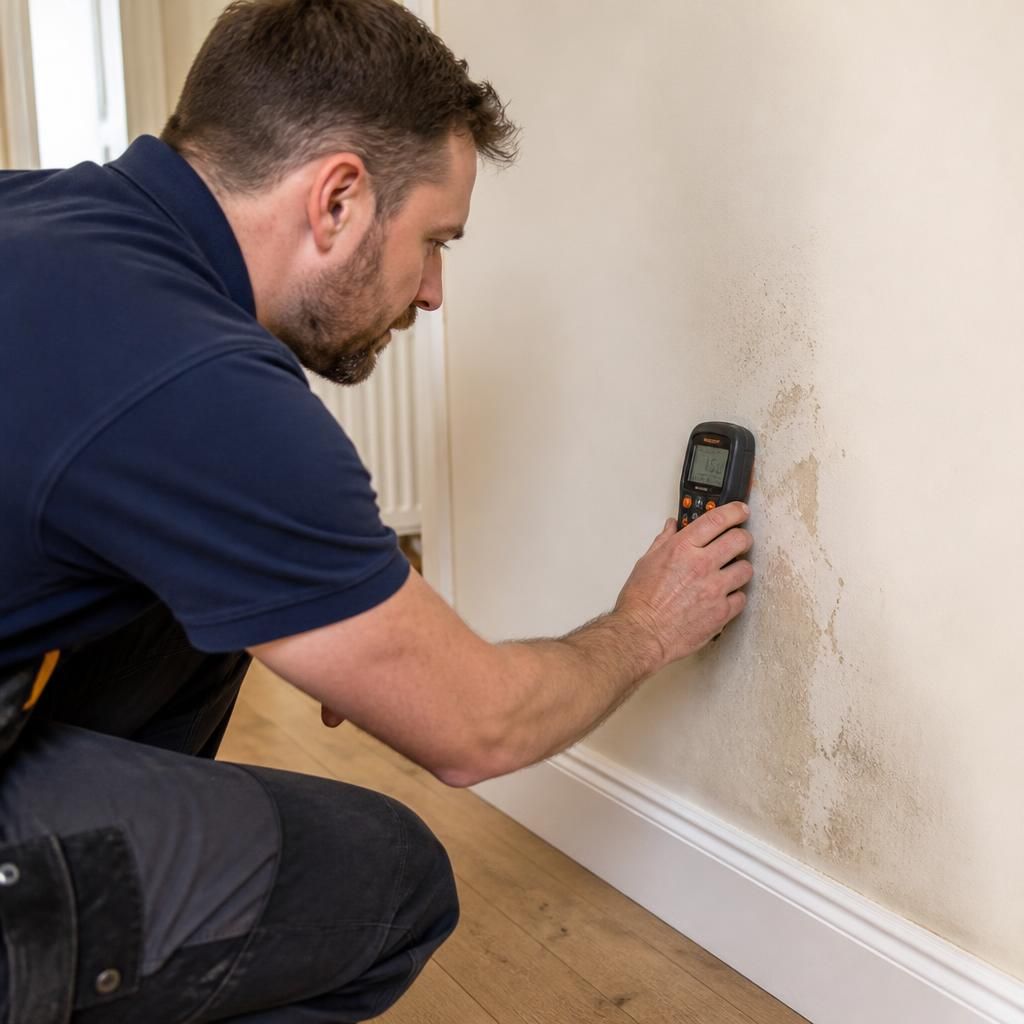
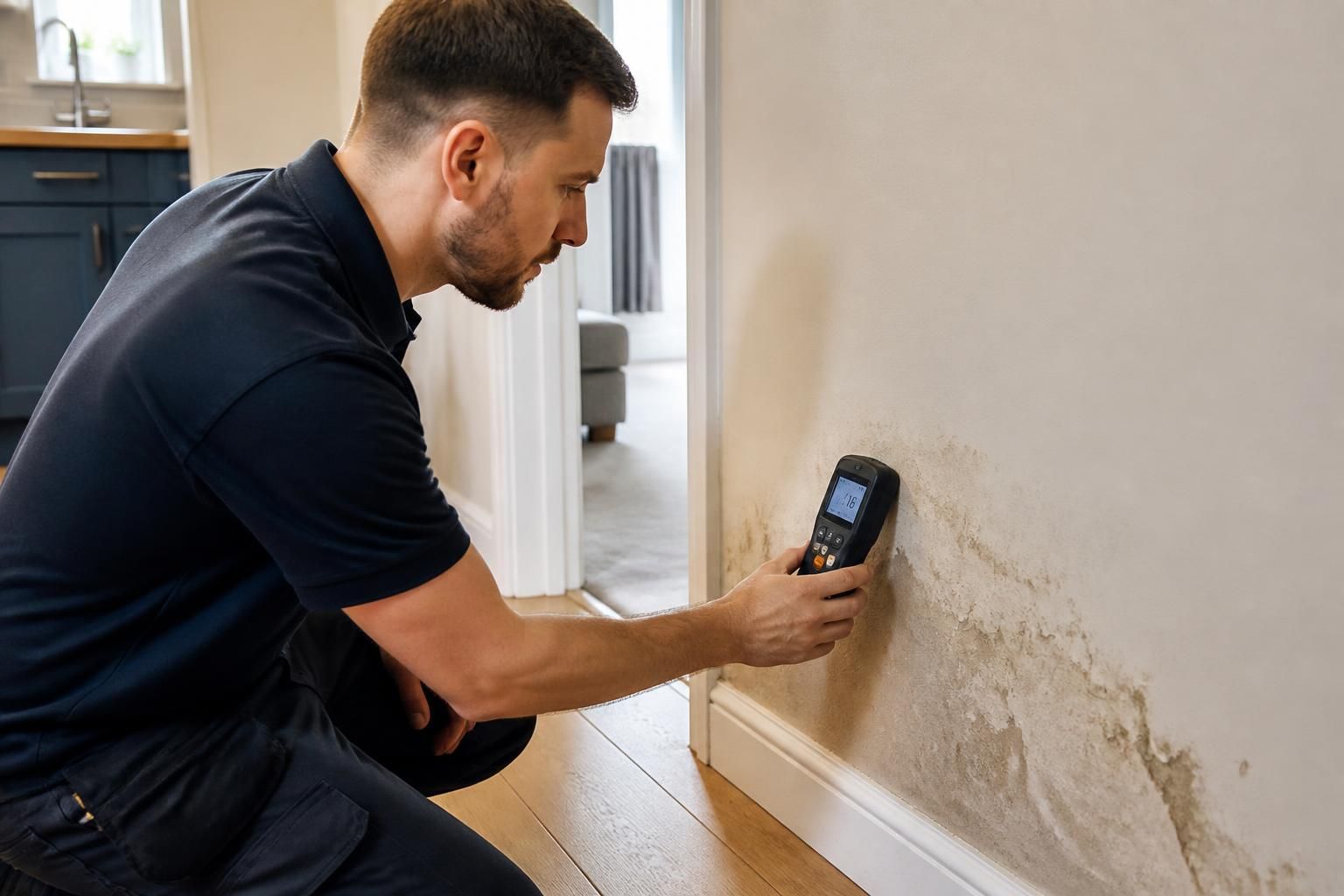
Non-invasive methods can include visual checks, moisture measurement, acoustic listening, thermal imaging and tracing the movement of water. The appropriate method depends on the type of pipework, the suspected location and whether the leak is from a supply pipe, heating system, appliance connection, bathroom fitting or drainage installation. A clear route through the property helps the investigation proceed without unnecessary disruption.
Before the visit, remove items from beneath sinks and around water heaters, boilers, washing machines and other likely inspection points. Keep children and pets away from tools and wet areas, and avoid switching on appliances that may be affected by the leak unless a qualified professional has confirmed that it is safe. If you have noticed changes in water pressure, staining, damp smells or sounds of running water, make a note of where and when they occur; this information can help narrow the investigation.
If you need to leave while the work is taking place, agree the arrangements in advance. The plumber will normally need authorised access to the relevant rooms, a way to contact you, and instructions about any alarm, gate, pet or building-entry requirements. For a rented property, the tenant and landlord or managing agent should also be clear about access and approval for any work beyond inspection.
Leak detection does not automatically mean that walls or floors will be opened. If an invasive repair appears necessary, it should be treated as a separate decision, with the proposed location and work discussed before anything is removed. A professional inspection should distinguish between evidence found during detection and assumptions about where the leak might be.