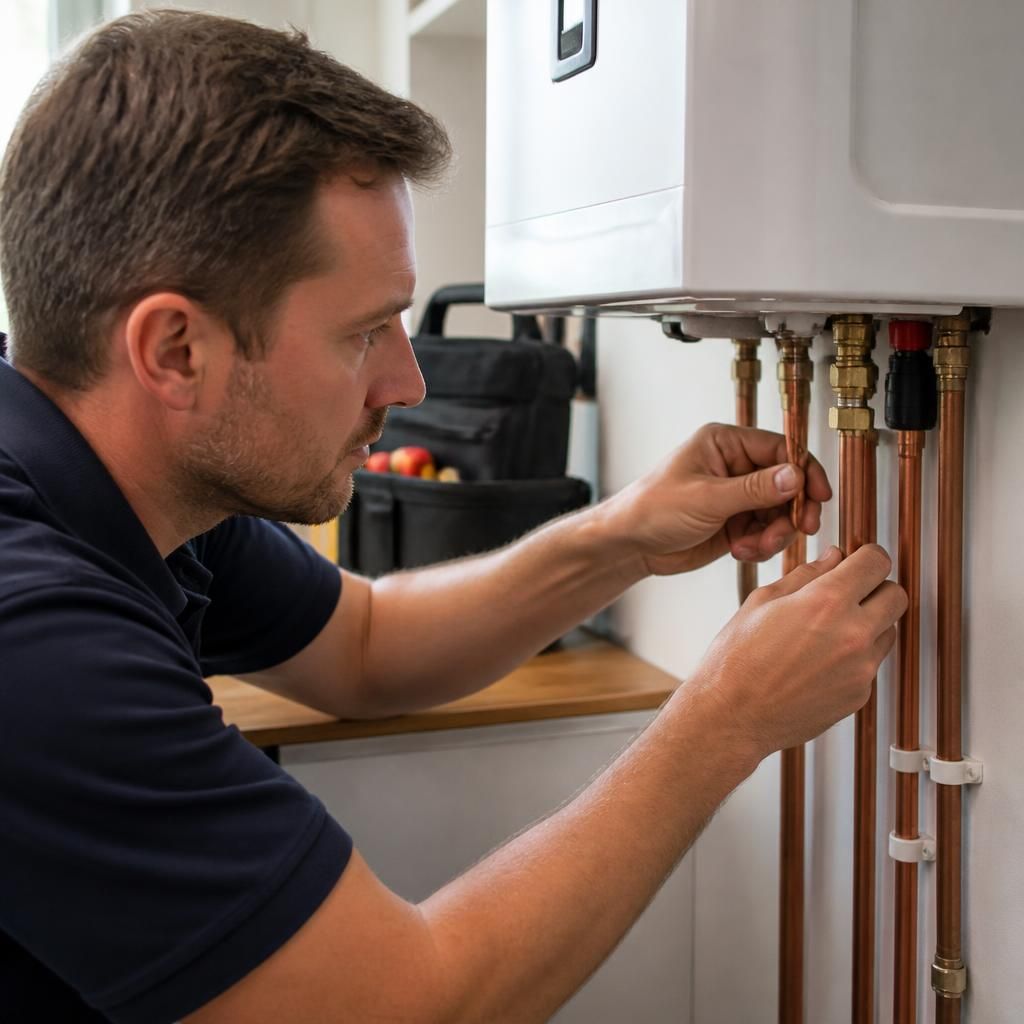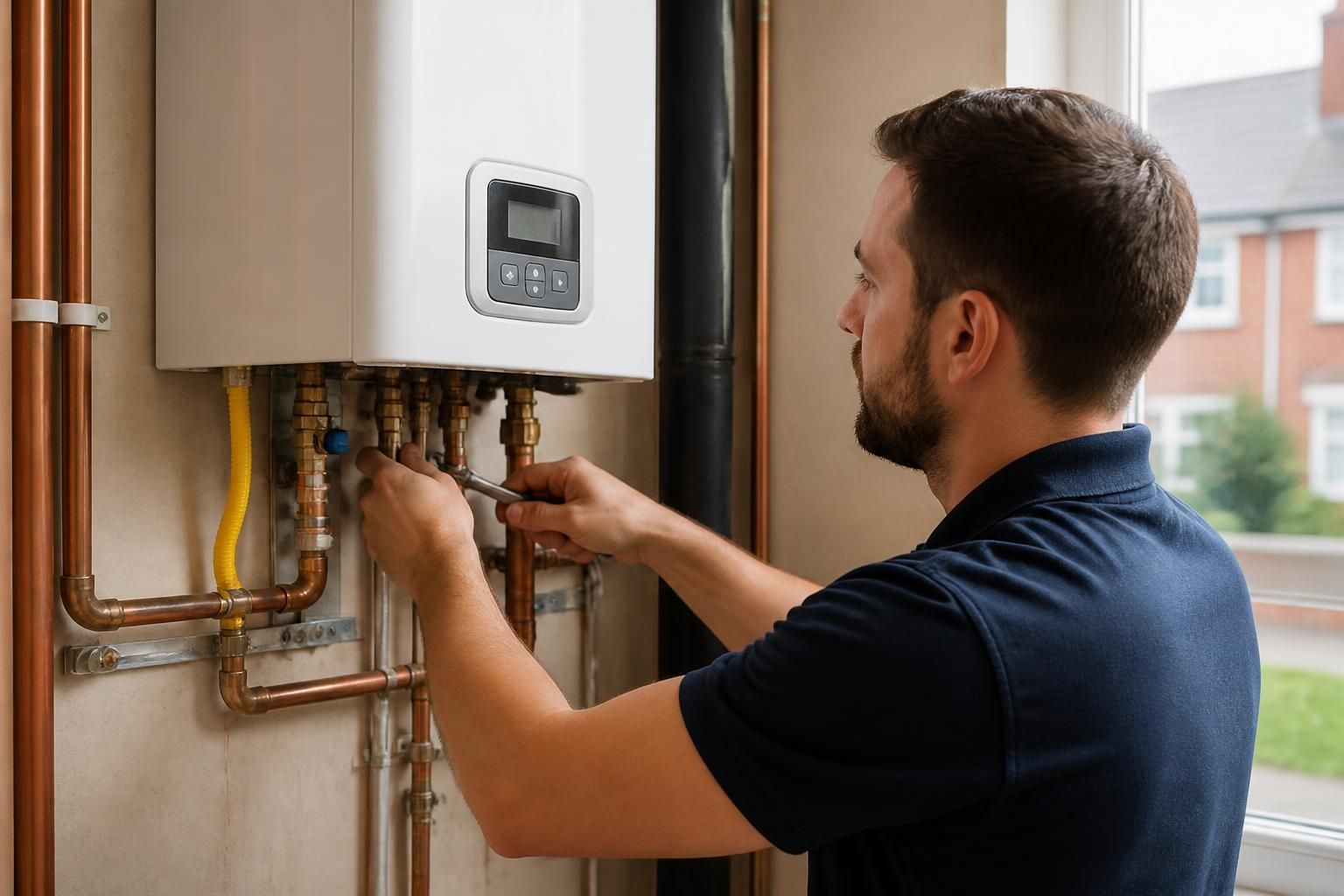
Tankless water heater installation is generally a manageable household project, but the level of disruption depends on how closely the new system matches the existing installation. The main interruption usually comes from isolating the water supply, removing or disconnecting the old equipment, adapting pipework and completing any required electrical, gas or flue work.
Water and heating interruptions: the water-heating system will need to be isolated during key stages of the work. This may affect hot water at taps, showers and appliances, while changes to the wider plumbing or heating arrangement can temporarily affect other services. A competent installer should explain which outlets will be unavailable and when the system can be used again.
Access requirements: installers need clear access to the existing cylinder, boiler or water-heating equipment, as well as the route for new pipework and connections. Cupboards, airing cupboards and utility areas may need to be emptied before work begins. If the unit is being moved, access to walls, floors, ceilings or external areas may also be required.
Noise, dust and minor damage: drilling, cutting and fixing can create intermittent noise and some dust. The amount depends on whether new pipework, brackets, ventilation or flue routes are needed. Work in a confined cupboard is usually more contained than an installation requiring access through several rooms. Protecting nearby surfaces and keeping the work area clear can reduce the impact, although some making-good may be needed after alterations.
The installation process normally includes:
- Checking the proposed location, incoming services, available space and access.
- Isolating the relevant water, electrical and fuel supplies where applicable.
- Removing or disconnecting equipment that is being replaced.
- Installing the new unit, pipework, valves, connections and supporting components.
- Completing any necessary flue, ventilation, electrical or gas-related alterations.
- Filling, testing and checking the system for leaks, correct operation and safe performance.
- Explaining the controls and routine user checks once the installation is complete.
The installation may take longer where the existing pipework is unsuitable, the incoming water supply needs alteration, the electrical supply requires attention or the flue route must be changed. Relocating the heater, working in a difficult-to-access area or discovering defects behind walls and cupboards can also extend the work. Conversely, a straightforward replacement in the same position is likely to involve fewer alterations.
Preparation can make the work more efficient. Remove stored items from the installation area, clear a route to the equipment and identify any access restrictions before the plumber arrives. It is also useful to mention previous leaks, pressure problems, unusual noises or known faults, as these may affect the assessment of the existing system.
After installation, avoid treating the job as complete until the system has been properly tested and commissioned. The installer should check connections, operation and controls, identify any user requirements and confirm whether further finishing work is needed. For properties in Birmingham and the wider West Midlands, Ideal Plumbing Services can assess the existing arrangement and explain the likely disruption before planned tankless water heater installation begins.