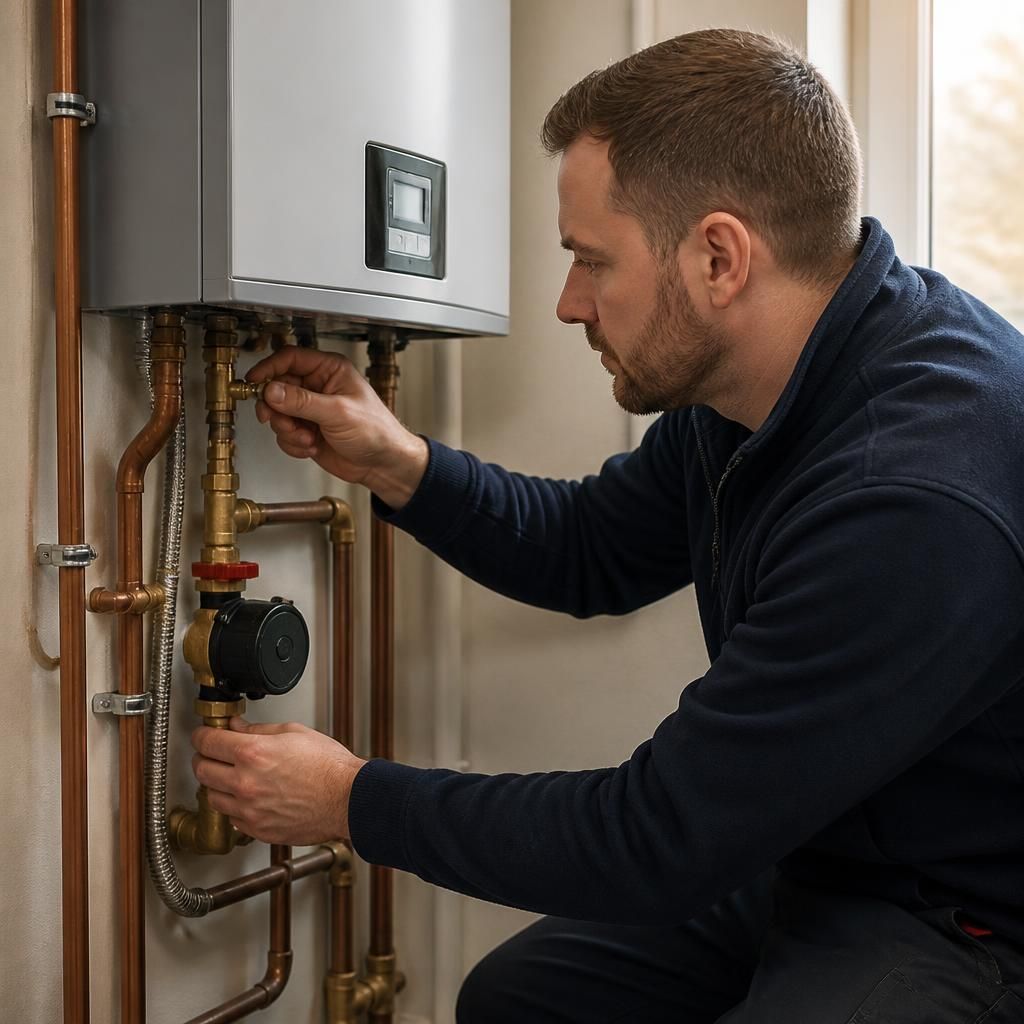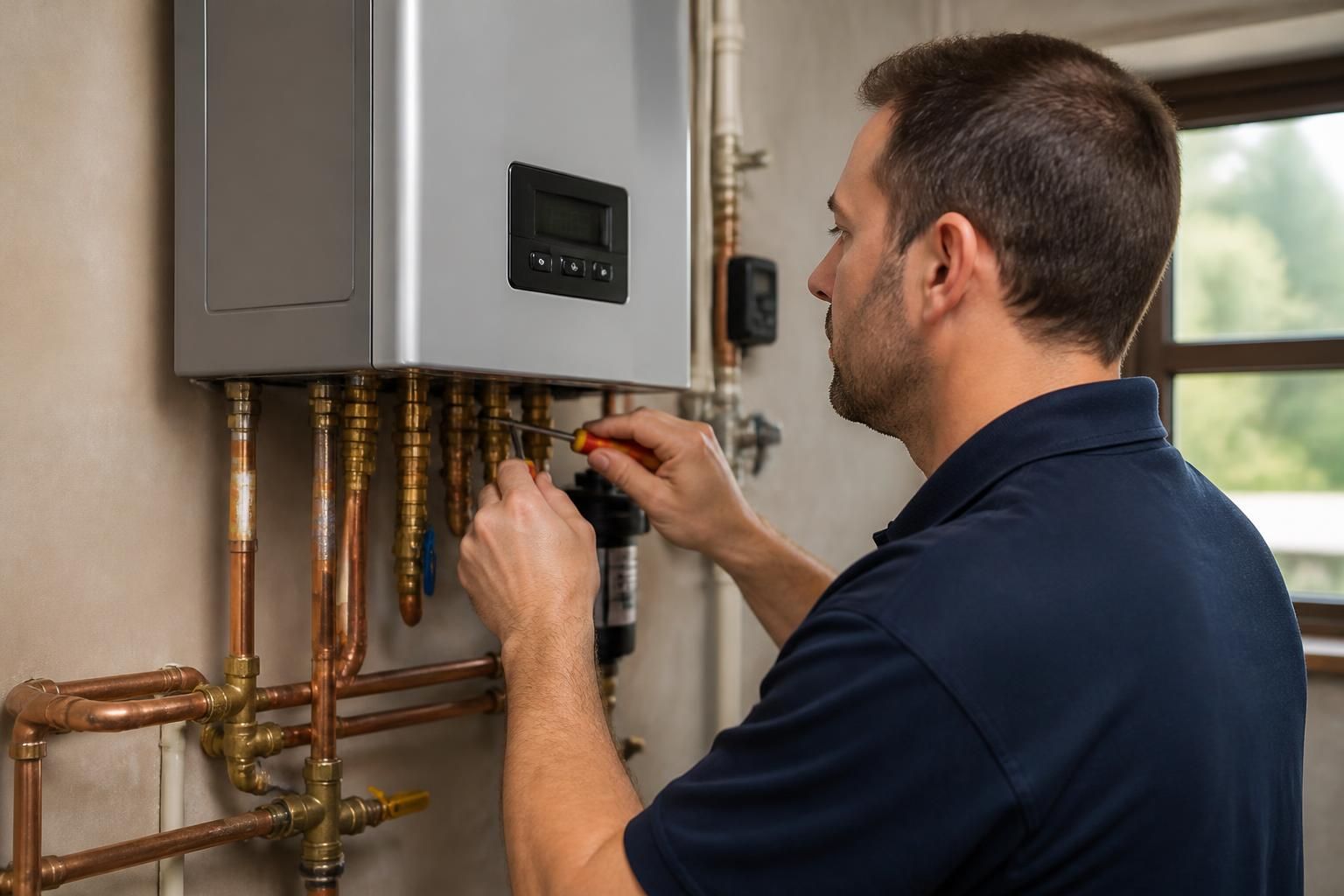
Tankless water heater installation cost depends on more than the heater itself. The total usually combines the equipment price, installation labour, supporting materials, compliance work and any alterations needed to make the system suitable for the property. A like-for-like replacement may involve relatively little additional work, whereas fitting a new system where none has existed before can require several separate trades and upgrades.
The main cost areas include:
- The heater and controls: The purchase price varies according to the appliance’s output, control options, efficiency features and intended hot-water demand. A system selected for several bathrooms may need different specifications from one serving a single kitchen or shower.
- Installation labour: Labour reflects the time needed to position, connect, test and commission the appliance. A straightforward installation is generally less involved than work requiring alterations in more than one part of the property.
- Water-pressure and flow requirements: Tankless systems heat water as it passes through the appliance, so the incoming supply must provide suitable pressure and flow. If testing identifies a limitation, additional plumbing work or a different system arrangement may be needed.
- Condensate drainage: Some high-efficiency systems produce condensate that must be discharged correctly. The distance to a suitable drain, the route through the property and the need for a condensate pump can all affect labour and materials.
- Electrical work: The appliance may require a suitable electrical supply, isolation point, controls or protective devices. Where the existing installation is not suitable, an electrician may need to make changes before the heater can be used safely.
- Location and access: Installation in a loft, cupboard, utility area or a difficult-to-reach position can take longer than work in an open, accessible space. Structural supports, protection for surrounding surfaces and safe working access may also need to be considered.
- Hot-water outlets and controls: The number and position of outlets can affect the layout of the pipework and the control arrangement. Extra thermostatic controls, remote controls or zoning may add to the equipment and installation cost, although they can provide more convenient management of hot water.
The property’s condition can also influence the final price. Corroded isolation valves, unsuitable pipe materials, restricted pipe routes, poor access panels or concealed defects may not be apparent until the installation area is inspected. Bringing associated components up to a safe and suitable standard can be preferable to connecting a new heater to weak or unreliable existing work.
There may also be preparatory or finishing costs. These can include removing redundant equipment, making good around altered pipework, disposing of old components and carrying out minor building work to accommodate the new installation. These items should be identified separately in a written quotation so that the scope is clear.
A useful quotation should state whether it includes the heater, controls, flue or ventilation components where applicable, pipework, valves, electrical connections, condensate arrangements, testing, commissioning and removal of the previous system. It should also identify assumptions, such as the condition of the existing supply and the availability of suitable drainage. Comparing quotes only by the headline figure can be misleading if one excludes essential materials or preparatory work.
Before accepting a price, ask whether the installer has assessed the proposed location, measured the relevant services and confirmed the hot-water demand. An assessment helps distinguish necessary work from optional enhancements and reduces the risk of extra charges caused by overlooked installation requirements. Ideal Plumbing Services can assess the installation requirements for homes across Birmingham and the wider West Midlands and provide a clear quotation based on the work involved.
The most accurate cost is therefore determined after a property assessment rather than from the appliance price alone. A detailed quotation with no hidden charges should explain what is included, what may change if concealed problems are found and how any additional work will be approved before it begins.