Bathroom tap repairs are generally suitable for rented properties because many faults can be corrected without replacing the complete tap or altering the basin. The appropriate solution depends on the cause of the problem, the condition of the fixture and whether the fault results from normal wear, poor installation or damage caused by the occupant.
Who should arrange the repair? Tenants should normally report a faulty tap to the landlord or letting agent before contacting a plumber themselves. The landlord can then approve the work, appoint a contractor and confirm how costs will be handled. A tenant who arranges work without permission may have difficulty recovering the cost, unless the tenancy agreement or a genuine urgent situation provides otherwise.
In most cases, the landlord is responsible for maintaining plumbing installations supplied with the property. This commonly includes repairing leaks, worn internal components, failed seals and other defects caused by age or ordinary use. A tenant may instead be responsible where the damage resulted from misuse, accidental impact, unauthorised alterations or neglect. The tenancy agreement should be checked if responsibility is unclear.
What a plumber will assess
- Whether water is escaping from the spout, handles, connections or the base of the tap.
- Whether the cartridge, washer, valve, seal or flexible connection has failed.
- Whether the tap is securely fixed and compatible with the basin and existing pipework.
- Whether corrosion, limescale or previous repairs make replacement more practical than further servicing.
- Whether isolating the water supply is necessary to work safely.
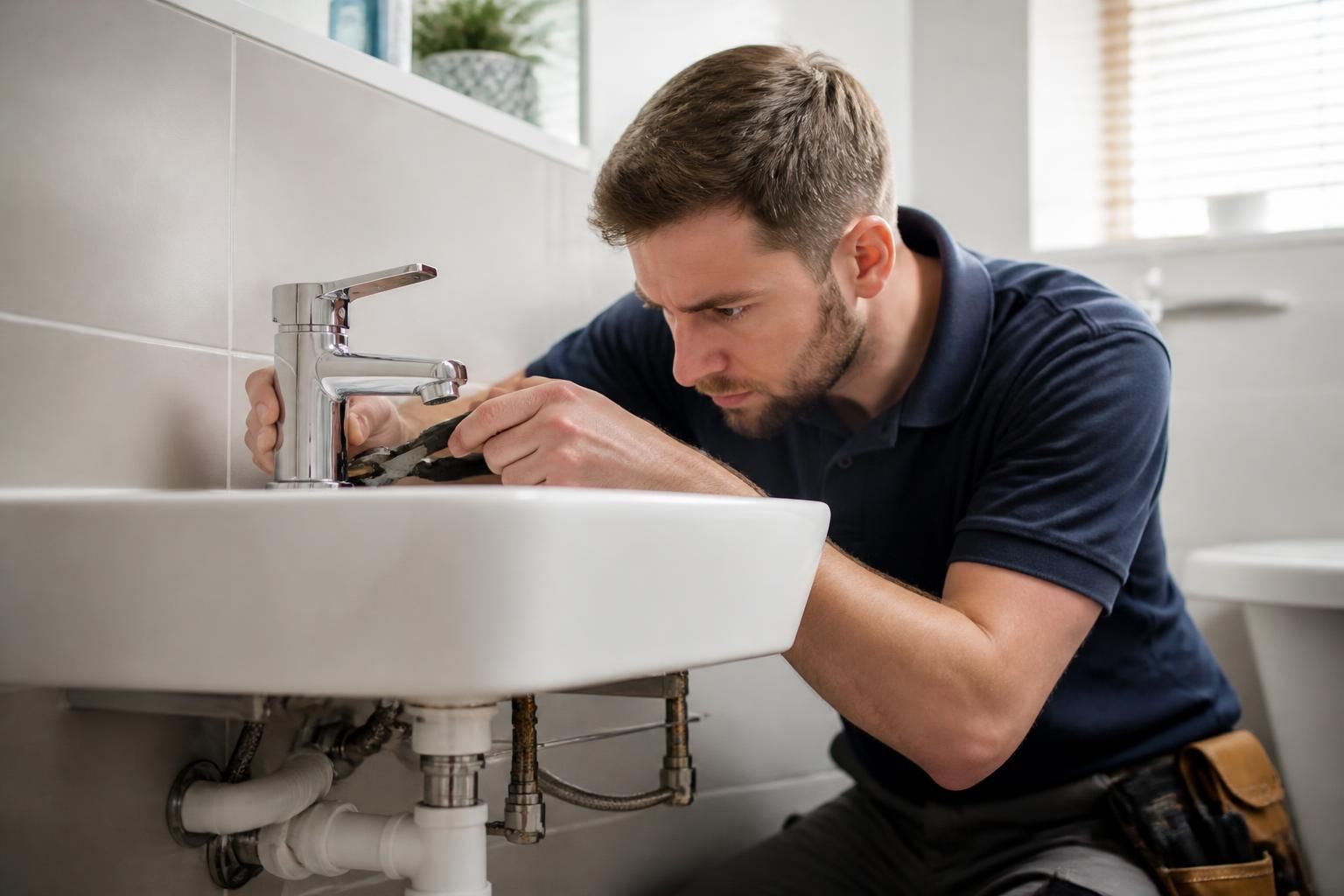
Where the tap body and surrounding fittings remain in sound condition, replacing a failed internal part can be a sensible option for a rental property. It can preserve the existing appearance and avoid unnecessary changes to the basin. A complete replacement may be more appropriate if the tap is badly corroded, unstable, repeatedly failing or no longer provides a reliable seal.
Permission and access
Landlords or agents should give the plumber clear details about the fault and confirm which fixtures may be worked on. Tenants should make the affected area accessible, remove toiletries from around the basin and report any signs of water damage promptly. If the tap is leaking, turning off the relevant isolation valve can limit further water loss, provided the tenant can identify it safely and without forcing a stiff valve.
Photographs of the tap, connections and any damaged surrounding surface can help the landlord or agent understand the issue before an inspection. Keeping written records of the report, arranged appointment and completed work can also help prevent disagreements about the condition of the property or responsibility for payment.
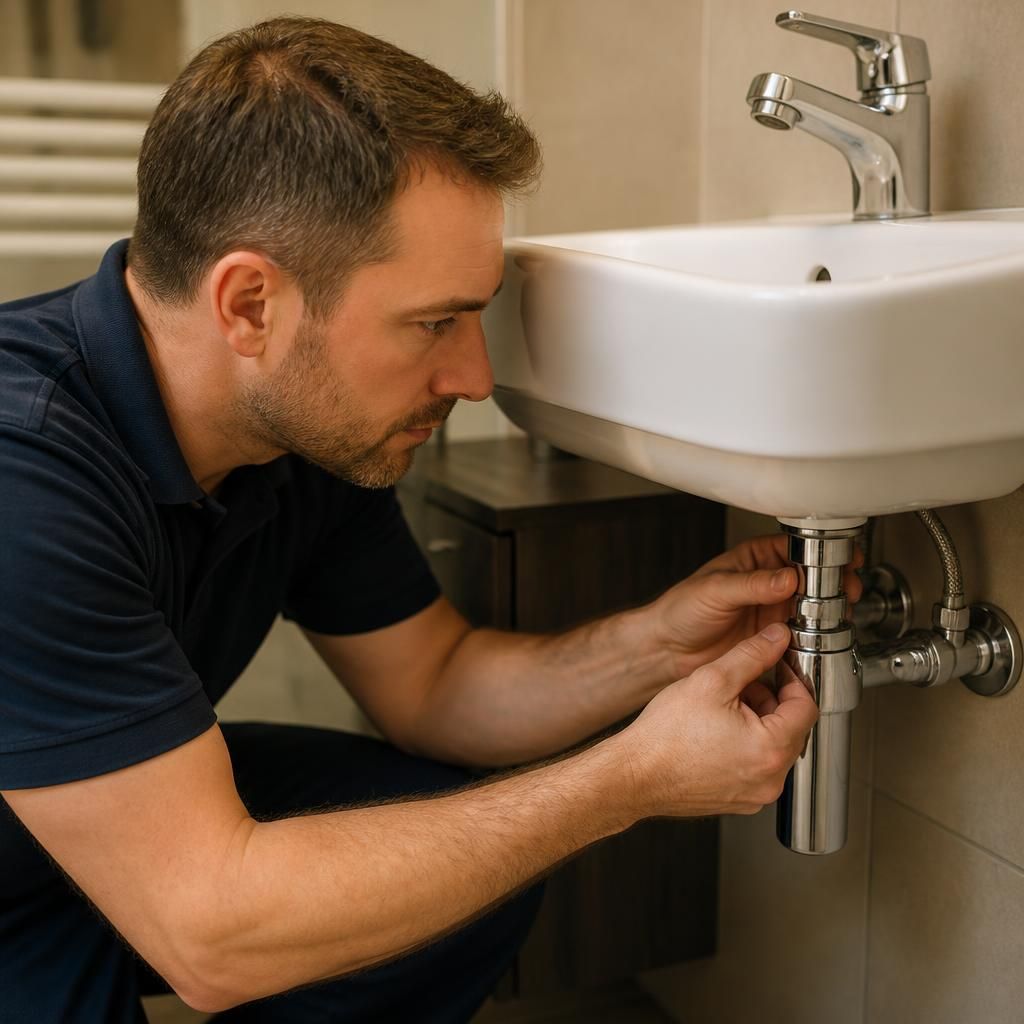
A bathroom tap repair should be completed with care in a rented home because poorly tightened connections can cause concealed leaks inside the vanity unit or beneath the basin. A qualified plumber can investigate the source, protect nearby surfaces and explain whether repair or replacement is the more suitable long-term option. Ideal Plumbing Services provides plumbing repairs for residential properties in Birmingham and the wider West Midlands, including work arranged by homeowners, landlords and tenants with the appropriate approval.