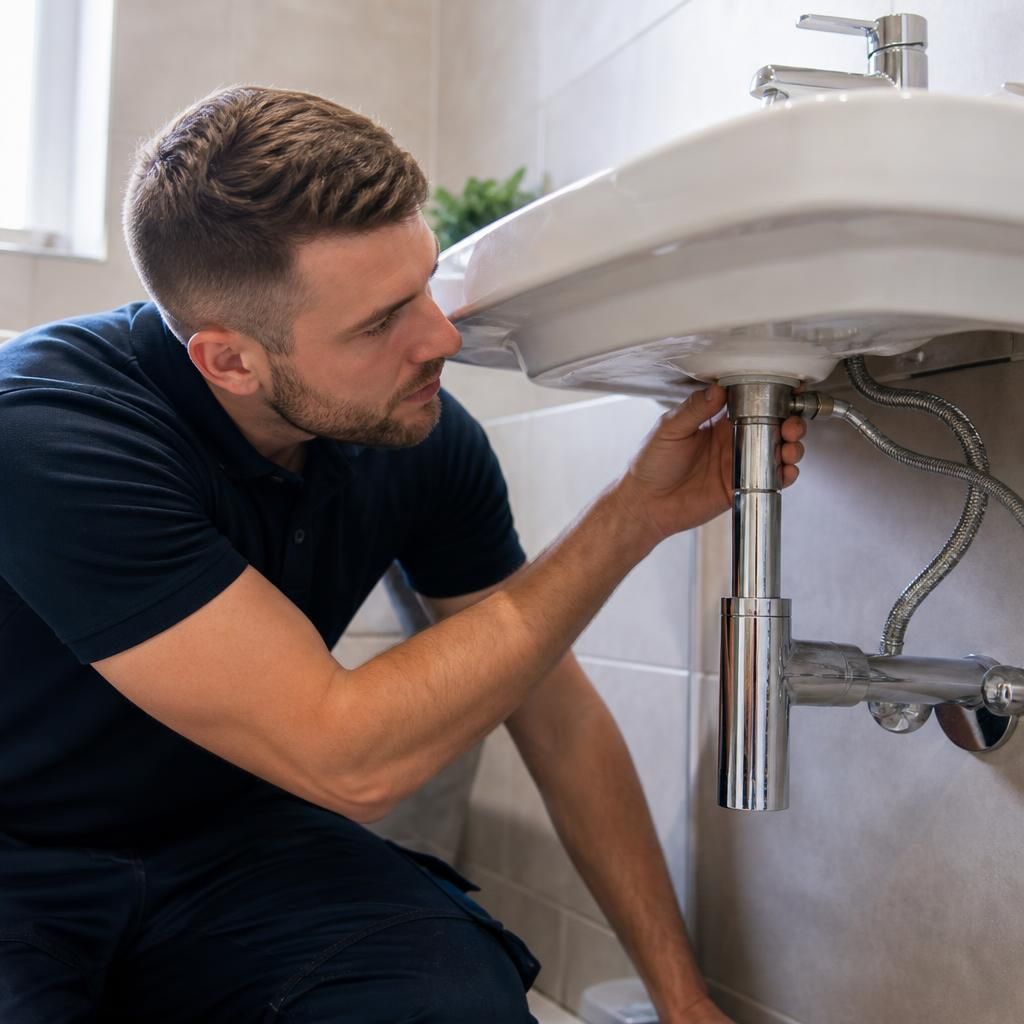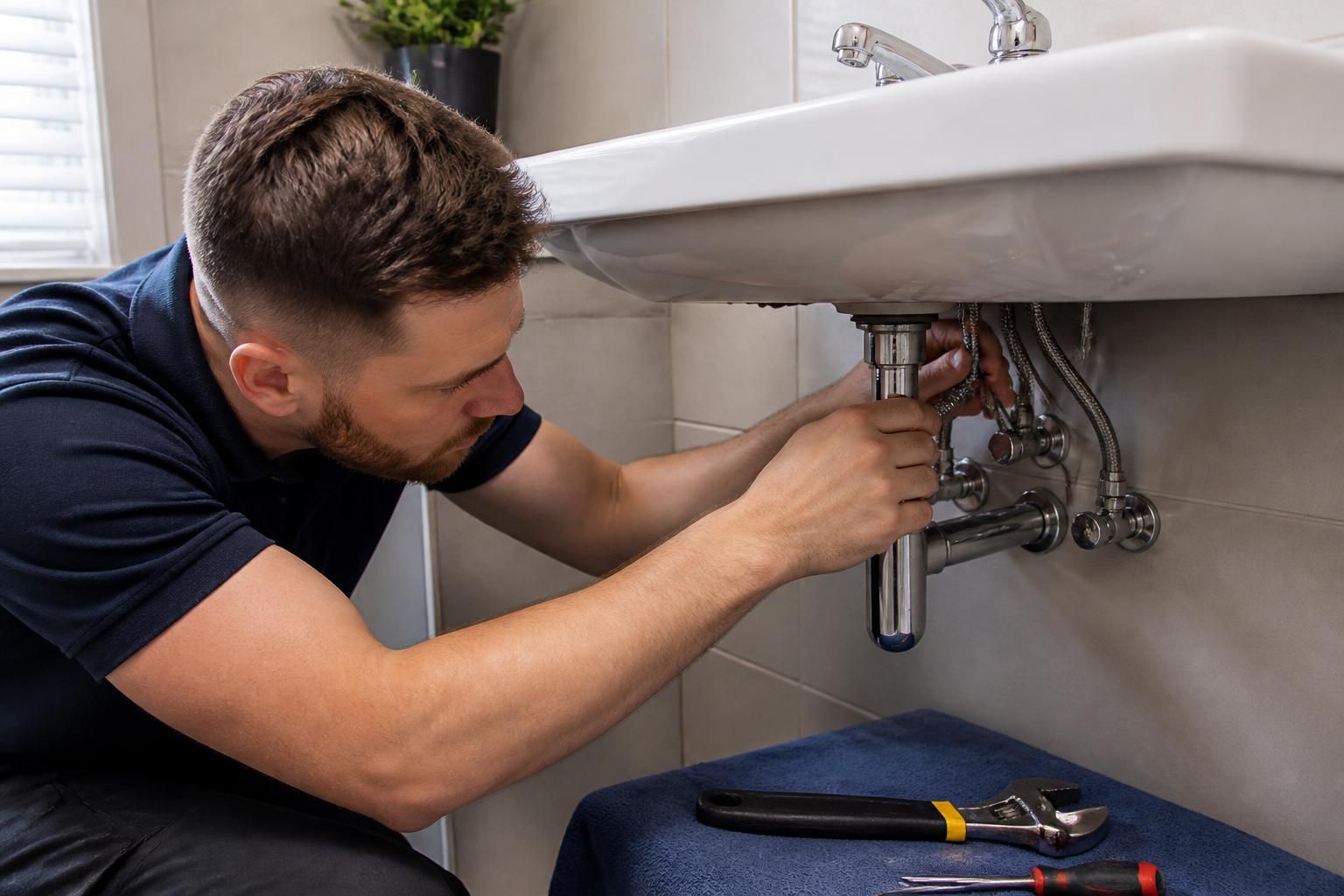
Bathroom tap repair is normally charged according to the fault diagnosed and the work needed to correct it. The final cost may include the plumber’s labour, replacement components and any additional work required to reach or safely isolate the tap. A straightforward repair to an accessible fitting will usually involve less work than correcting a concealed leak, seized connection or damaged pipework.
Common bathroom tap faults and their cost implications
- Dripping or leaking taps: A worn washer, O-ring, seal or cartridge is often responsible. Replacing a small internal component can be more economical than replacing the complete tap, provided the remaining parts are in suitable condition.
- Leaking around the base: This may be caused by degraded seals, a loose fixing nut or movement in the tap body. The repair can require access beneath the basin as well as replacement seals or tightening of the fitting.
- Low or uneven water flow: A blocked aerator, restricted supply hose, faulty cartridge or partially closed isolation valve may be involved. Cleaning or replacing the affected part will generally be considered before a complete tap replacement.
- Stiff or difficult-to-turn handles: Internal wear, limescale or a failing cartridge can make the control hard to operate. The cost depends on whether the mechanism can be cleaned or adjusted, or whether a replacement cartridge is needed.
- Loose taps: A loose mounting assembly may be tightened, although damaged fixings, worn seals or deterioration beneath the basin can make the job more involved.
- Leaks from connecting hoses or valves: Flexible hoses, compression joints and isolation valves can fail independently of the tap itself. These parts may need to be repaired or replaced to prevent the leak returning.
Repair or replacement? Repair is often sensible when the tap is structurally sound and the fault is limited to a replaceable internal part or seal. Replacement may be more appropriate where the body is cracked, heavily corroded, repeatedly failing or no longer compatible with available components. A replacement tap also becomes a consideration when the cost of several repairs approaches the cost of fitting a new, suitable unit.
The age and design of the fitting can affect the decision. Some taps use cartridges or components that are specific to their design, while older fittings may have seized connections or parts that are difficult to remove without causing further damage. A plumber should identify the tap type and check the condition of the surrounding connections before confirming which option is financially practical.
What is usually included in a repair price?
- Inspection of the tap and nearby connections
- Identification of the source of the leak or operating fault
- Removal and replacement of the failed washer, seal, cartridge, hose, valve or other suitable component
- Testing the fitting after the repair
- Advice on whether the tap remains suitable for continued use
Parts are normally charged separately from labour, and the price of the component depends on its size, specification and availability. If the fault extends into the basin waste, supply pipework or surrounding fittings, that additional work should be explained before it is carried out. Where access is restricted by cupboards, panels or fixed plumbing, more time may also be needed.
How to obtain an accurate price
Online price guides can indicate the factors involved, but they cannot reliably identify the failed part or the condition of the connections. For an accurate quotation, the fitting needs to be assessed in place. Before work begins, ask whether the quoted amount covers labour, parts, testing and any likely additional work. Ideal Plumbing Services provides clear pricing with no hidden charges, allowing the repair-versus-replacement decision to be made using the condition of the existing tap rather than price alone.
For homeowners, landlords and tenants, recording the location of the leak and any changes in water flow can help the plumber diagnose the issue. If water is reaching the cabinet, wall or floor, close the tap’s isolation valve where it is safe to do so and protect nearby surfaces until the fitting can be inspected. Ideal Plumbing Services draws on over 20 years’ experience in plumbing repairs and can assess bathroom tap faults across Birmingham and the wider West Midlands.