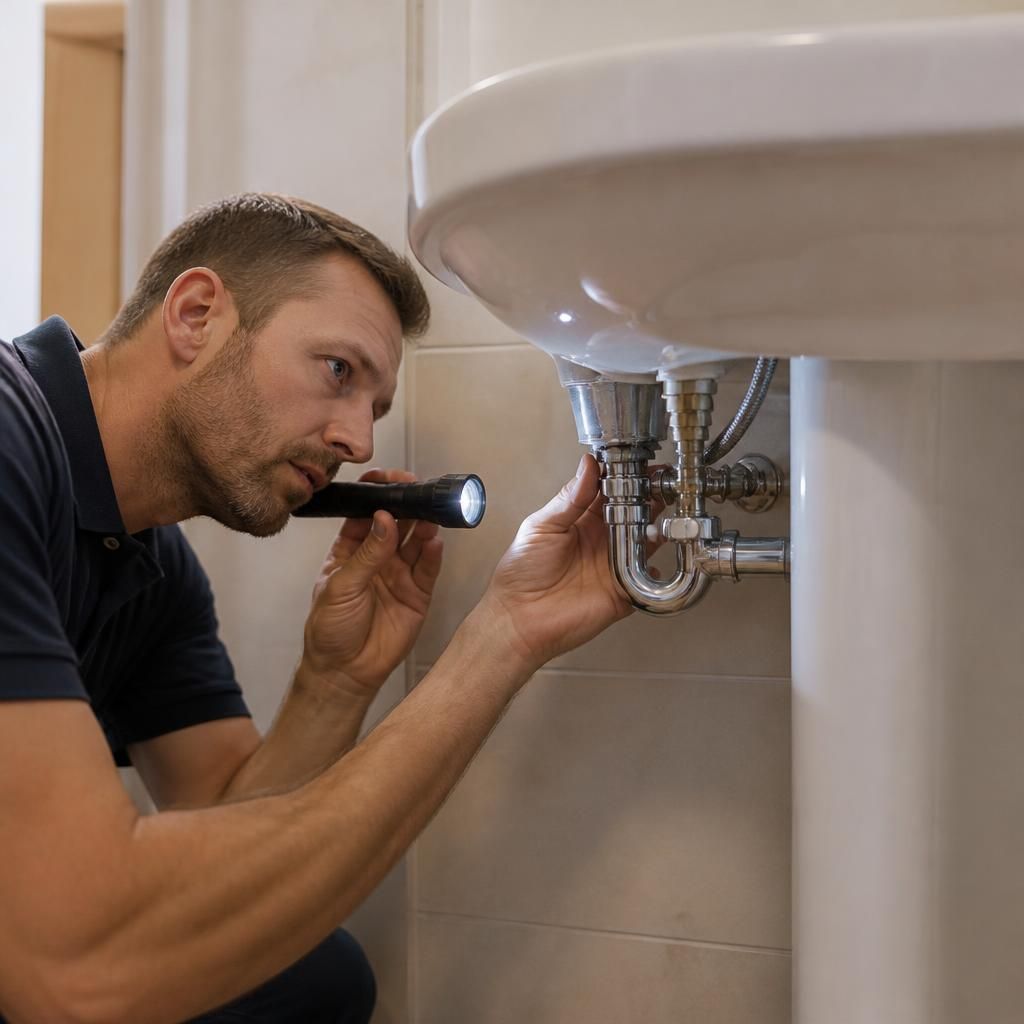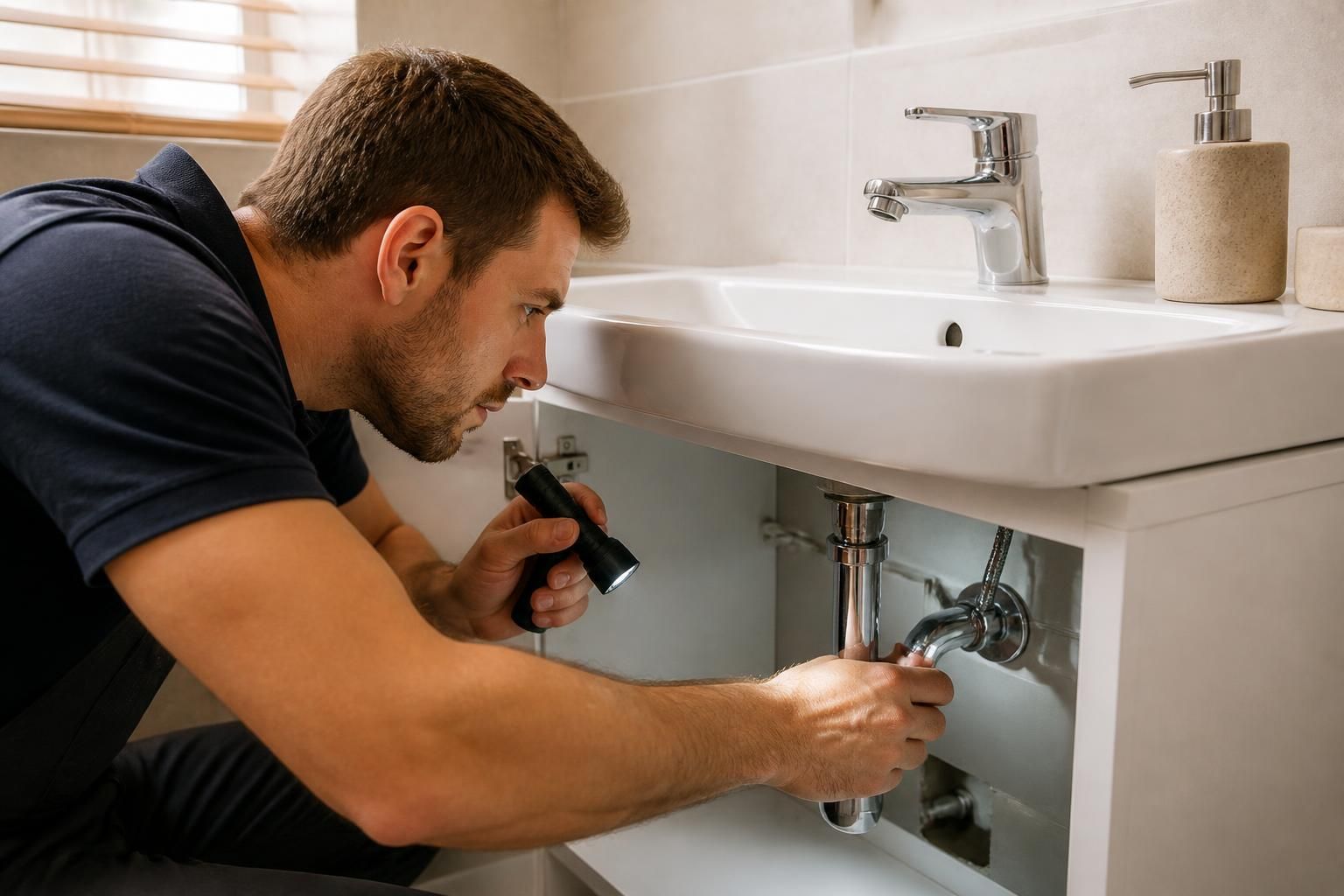
Bathroom tap repairs are normally a low-disruption plumbing job. In most cases, the work is concentrated around the tap and basin rather than the wider bathroom, with the main inconvenience being temporary loss of water to the fitting and limited use of the basin while the repair is carried out.
The level of disruption depends mainly on the fault. A worn washer, faulty cartridge, loose handle or damaged connector can often be addressed without disturbing surrounding fixtures. A replacement tap may require the existing tap to be detached and the new one secured to the basin. Problems involving seized fittings, corroded pipework, isolation valves or a leak beneath the basin can require more careful work and additional checks.
- Minor tap faults: These may involve replacing an internal component, tightening a connection or renewing a seal.
- Tap replacement: The existing fitting is removed, the mounting area is checked and the replacement is connected and tested.
- Connection or valve problems: These can be more involved if pipework is difficult to reach or a valve does not shut off the supply properly.
- Damage around the fitting: Deteriorated sealant, staining, moisture damage or a weakened basin may need attention before the tap can be secured reliably.
Before starting, a plumber will usually protect the immediate work area, identify the relevant isolation point and inspect the tap, flexible hoses, waste area and visible pipe connections. The water supply to the fitting is then controlled while the repair is completed. This avoids unnecessary disturbance to the rest of the bathroom and helps identify whether the tap itself is the source of the problem.
Noise is generally limited to the use of hand tools, although removing a firmly fixed or corroded fitting can take more care. There should not normally be a need to remove wall tiles, flooring or the whole basin simply to repair a tap. More extensive access may only become necessary if the connections are concealed, damaged or inaccessible from beneath the basin.
The time required cannot be confirmed accurately until the fault and access have been inspected. A straightforward component repair is less involved than replacing pipework or correcting damage beneath the basin. If an appropriate replacement part is available and the connections are in sound condition, the work can usually proceed without a separate alteration to the bathroom. Where a non-standard fitting or additional defect is found, the repair may need further planning.
After the repair, the water is restored gradually and the tap is operated to check flow, temperature control and drainage. The connections beneath the basin should also be checked for seepage, and the area should be left clean and dry. If a leak has caused staining or dampness inside the vanity unit, allow the space to dry and monitor it after the repair.
To reduce disruption, clear toiletries and stored items from beneath and around the basin before the appointment. Avoid using the affected tap if it is leaking heavily, and do not force a stiff handle or connection, as this can worsen the fault. For rented properties, tenants should report the issue to the landlord or managing agent and confirm any permission requirements before arranging non-urgent replacement work.
Ideal Plumbing Services can assess bathroom tap faults for homeowners, landlords and tenants across Birmingham and the West Midlands, explain whether a repair or replacement is more appropriate, and provide clear information about the work involved and any charges before proceeding.