Commercial drain maintenance is usually priced by combining the required inspection, cleaning and reporting work with the size, complexity and risk profile of the site. The most accurate price comes from assessing the drainage layout, access points, usage, previous problems and the level of documentation required, rather than charging a standard rate for every property.
Key factors that influence the price include:
- Size of the drainage network: A small premises with a straightforward layout generally requires less labour than a site with numerous gullies, inspection chambers, underground runs or separate drainage systems.
- Frequency of servicing: A one-off inspection is priced differently from a planned maintenance arrangement involving recurring visits. The appropriate interval depends on the building’s use, drainage history and the consequences of a failure.
- Condition and usage: Drains serving kitchens, food preparation areas, washrooms or high-occupancy premises may need more frequent cleaning because grease, silt, paper and other debris can accumulate. Existing defects or repeated blockages may also require additional investigation.
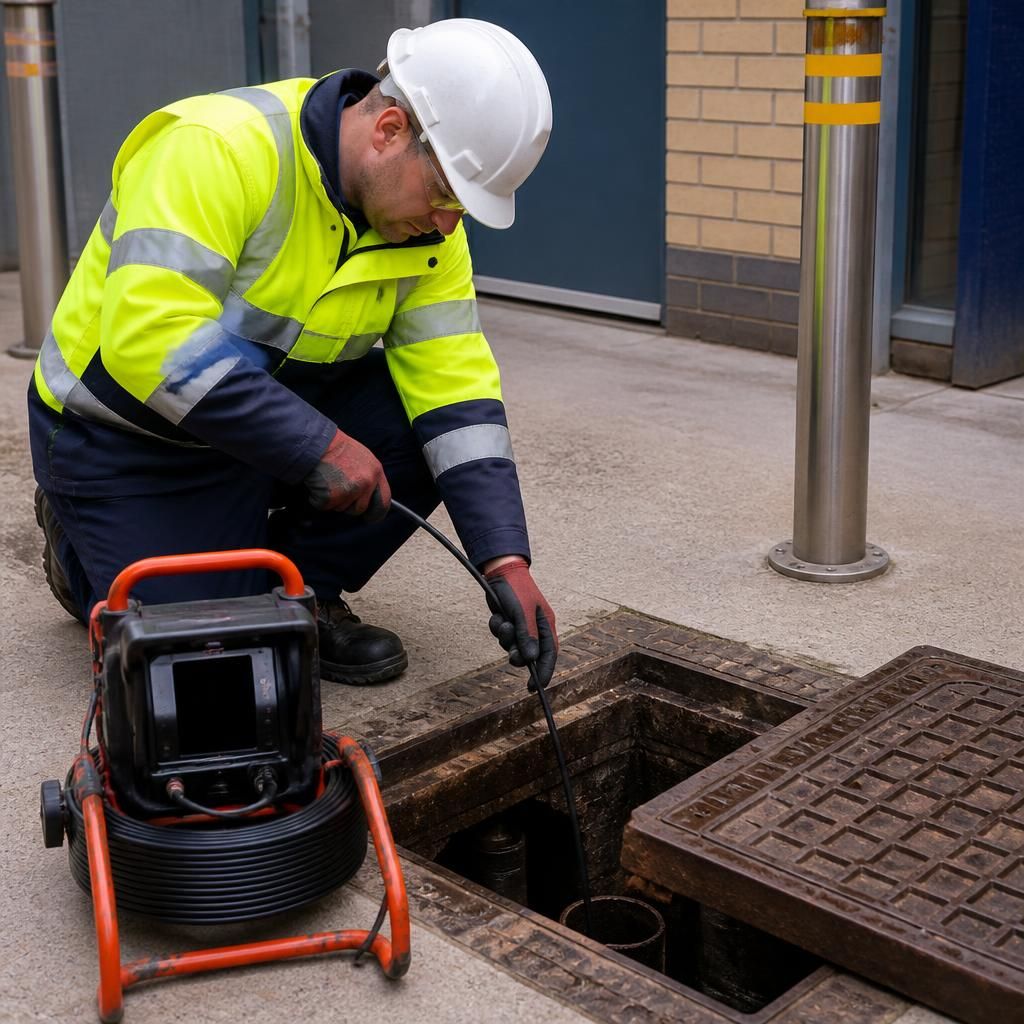
- Access requirements: Clear, accessible chambers are simpler to inspect and clean. Restricted access, buried or damaged covers, confined working areas and obstructions can increase the time and equipment needed.
- Cleaning requirements: Light routine cleaning has a different cost from work involving substantial build-up, silt, roots or difficult deposits. The quotation should explain what cleaning method and level of attendance are included.
- Inspection and reporting: Some customers require only a service record, while others need detailed findings, photographs, drainage plans or recommendations for remedial work. Reporting requirements can therefore affect the overall charge.
Planned maintenance may be offered as a scheduled service or as an agreed programme for the property. A scheduled arrangement can make costs easier to budget because the scope and visit pattern are defined in advance. It should still state what happens if an inspection identifies a repair, blockage or defect outside the routine service. Those items are normally treated as separate works so that maintenance pricing is not confused with remedial costs.
Before accepting a quotation, check whether it covers labour, routine equipment, cleaning of the stated drainage points, waste handling, service records and any applicable charges. Ask whether the price is based on a confirmed site assessment or on assumptions about the number and condition of the drains. A low initial figure may not represent the final cost if important areas, difficult access or additional cleaning are excluded.
It is also useful to compare quotations by scope rather than by the headline figure alone. One provider may include a visual inspection and basic cleaning, while another may include a fuller survey, photographic evidence and written maintenance recommendations. The services are not equivalent unless the number of assets, work method, reporting standard and exclusions are clearly matched.
If a defect is found, the maintenance report should separate its condition from the proposed solution. For example, routine cleaning may reveal a damaged chamber, displaced pipework or a recurring obstruction. Ask for the repair to be described and priced separately, with the reason for the recommendation explained. This gives the property owner or manager a clearer basis for approving further work.
For a commercial property in Birmingham or elsewhere in the West Midlands, a drainage professional can use the site details and maintenance history to prepare a more meaningful quotation. Providing access information, previous drainage reports and details of recurring issues in advance can help ensure that the proposed price reflects the actual work required.