Commercial drain maintenance should follow a documented, risk-based schedule rather than a fixed interval for every property. The maintenance frequency should reflect how the drainage system is used, the type of waste entering it, its condition and the consequences of a blockage. A low-risk office with limited waste discharge may need a different programme from a restaurant, care facility, school or industrial premises.
Higher-risk properties usually need more frequent attention. Factors that commonly justify shorter intervals include:
- Large numbers of occupants or visitors using the facilities throughout the day.
- Food preparation, grease, fats, oils or other materials entering the drainage system.
- Older pipework, poor falls, recurring silt or a history of blockages.
- Large roof areas, gullies or external drainage exposed to leaves and other debris.
- Basements, pumping stations or other drainage features where failure could affect occupied areas.
- Premises where a drainage fault would interrupt trading, access, hygiene or essential services.
Frequency should also change when inspection findings change. If a survey identifies heavy deposits, root intrusion, damaged joints, restricted flow or repeated localised blockages, simply returning on the previous cycle may not be sufficient. The maintenance plan may need an additional cleaning visit, remedial work or more frequent inspections until the underlying cause has been addressed.
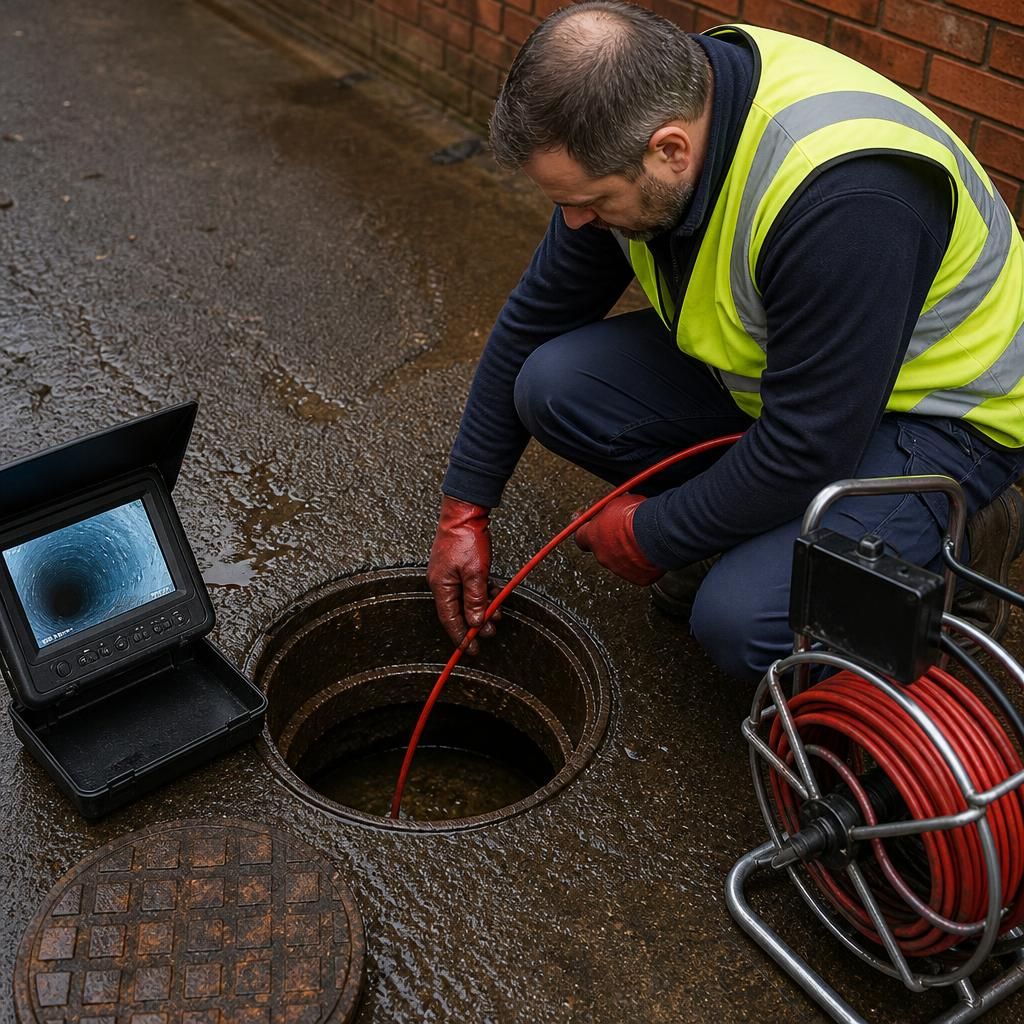
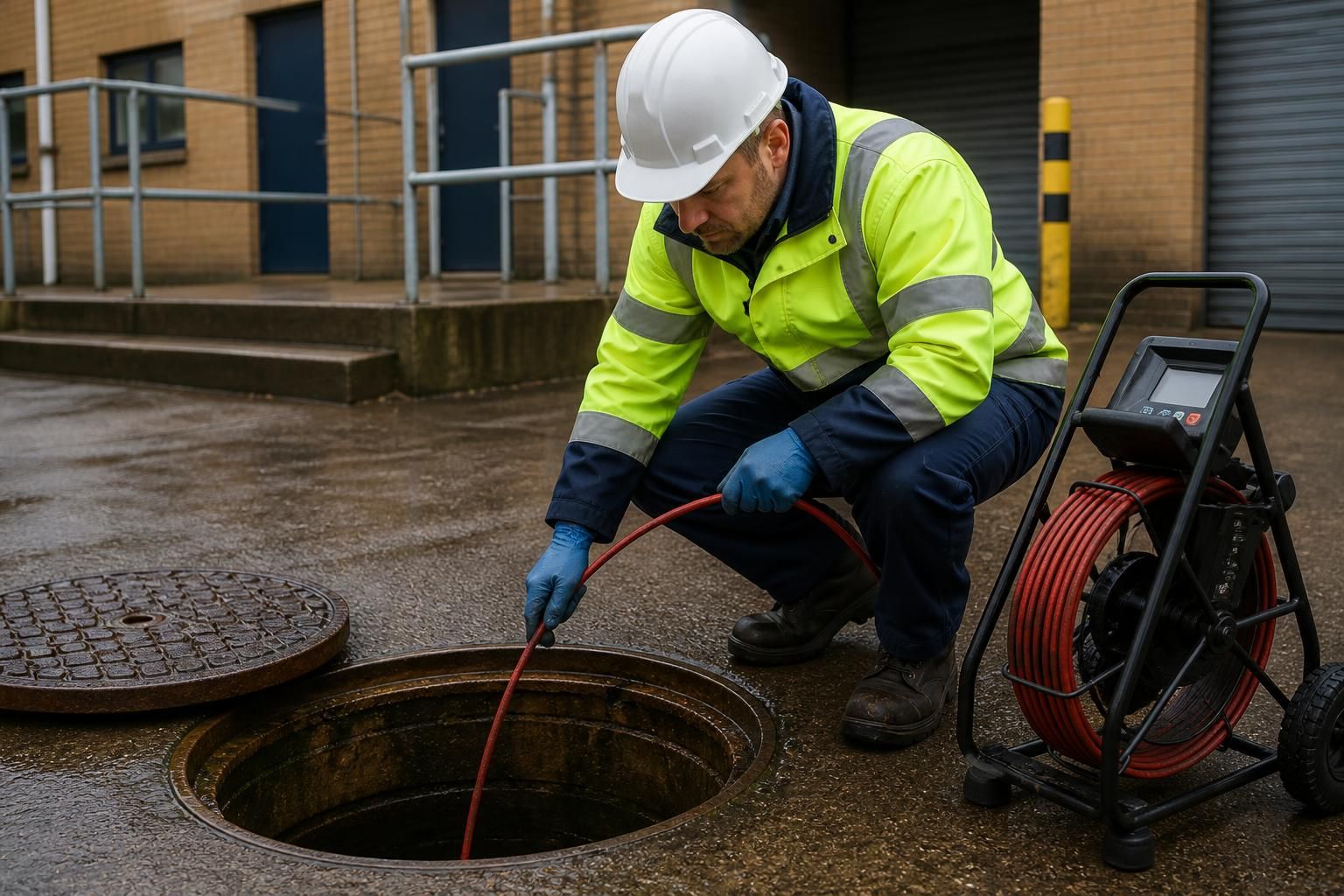
Planned maintenance normally combines inspection with proportionate cleaning. A contractor may check manholes, gullies, rodding points, traps, channels and visible pipework, while assessing flow, water levels, deposits and signs of leakage. Drain jetting, mechanical cleaning or removal of accumulated debris should be used where the inspection shows it is necessary, rather than treating every system identically.
Keep separate intervals for different parts of the system. Internal sanitary pipework, kitchen drainage, external gullies, underground runs and pumping equipment do not all operate under the same conditions. For example, kitchen drainage may require closer monitoring because grease can build up gradually, while external gullies may need attention linked to leaf fall and surface debris. A site-wide plan should therefore identify each drainage asset and its particular maintenance requirement.
A practical programme should be reviewed after every visit. The maintenance record should note the date, areas inspected, defects found, cleaning carried out, photographs where useful, access points used and recommendations for follow-up work. Comparing these records helps identify whether deposits are accumulating faster, whether the same section is repeatedly affected or whether the interval can be adjusted responsibly.
Unusual smells, slow drainage, gurgling, rising water levels, overflowing gullies or repeated use of plungers should not be left until the next planned visit. These signs can indicate a developing restriction or fault and should prompt an assessment of the affected section. Planned maintenance reduces the likelihood of avoidable disruption, but it does not replace action when the system shows warning signs.
For a multi-occupancy or high-use commercial building, the final schedule should be agreed following a site inspection and reviewed when the building’s use, occupancy, drainage layout or waste discharge changes. This produces a more reliable maintenance plan than selecting an interval solely by property type.