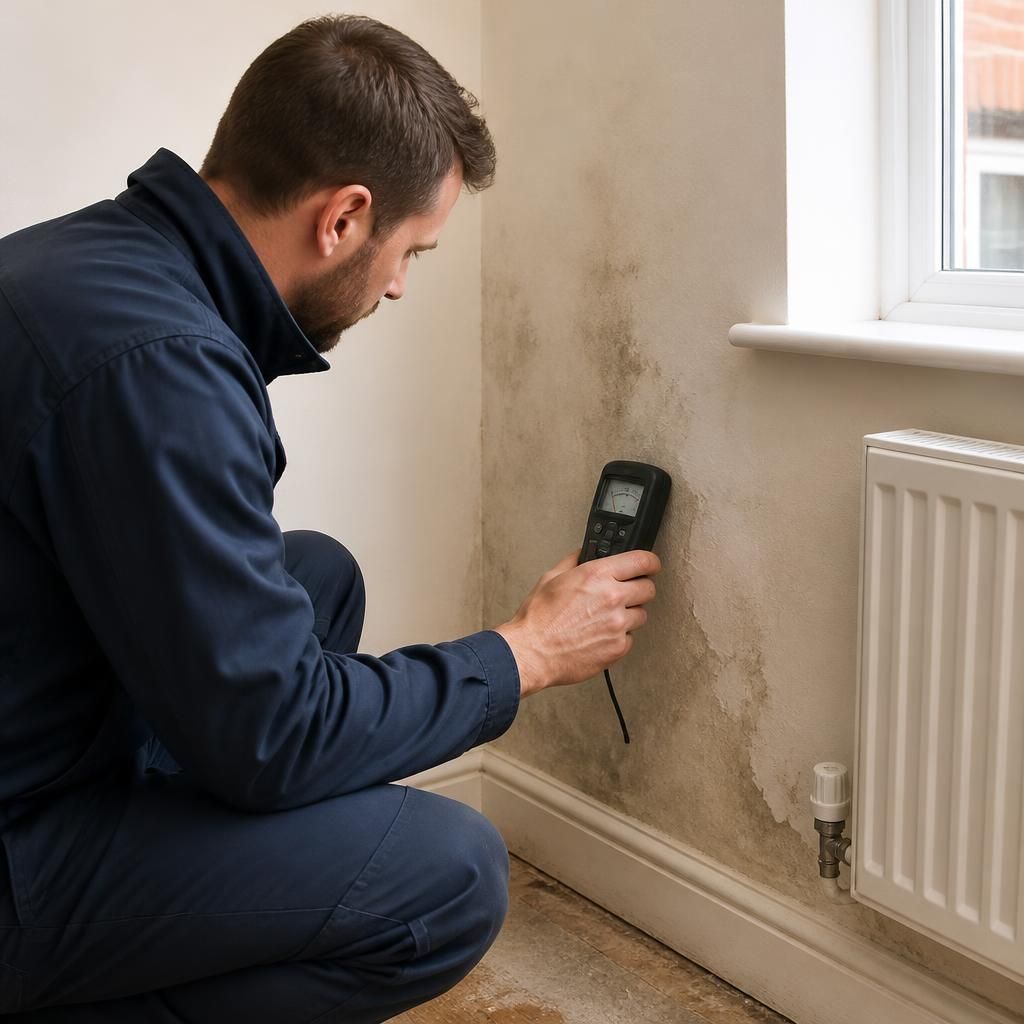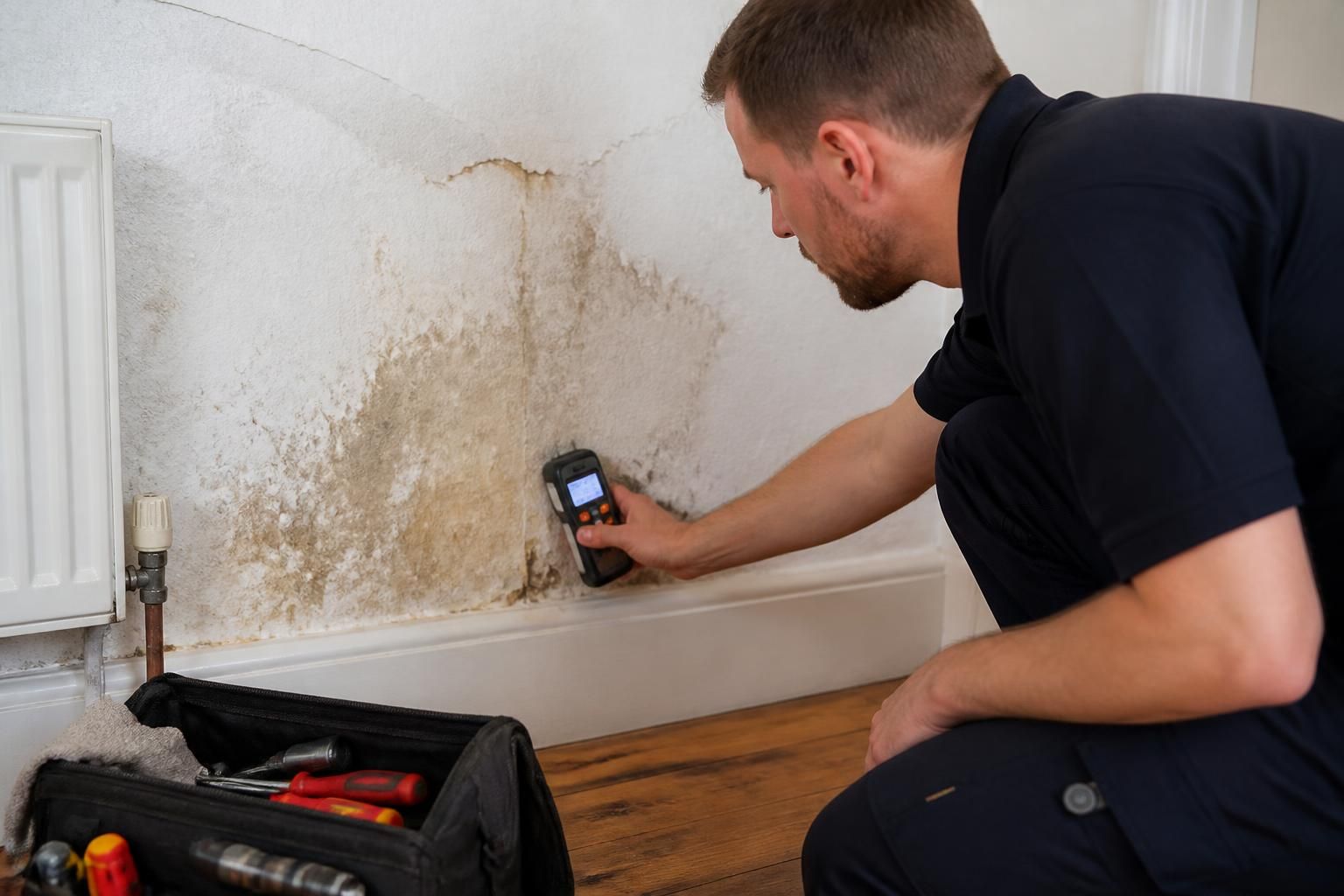
Preparing for a leak detection inspection means creating safe working conditions, preserving useful evidence and having the information needed to assess the plumbing system. Good preparation can help the engineer distinguish an active leak from older moisture and decide which diagnostic methods are appropriate.
Deal with immediate safety risks first. If water is near sockets, appliances, wiring or a consumer unit, do not touch wet electrical equipment. Isolate the affected electrical circuit only if it is safe to do so, and keep people away from the area. Where appropriate, close the nearest isolation valve or the main stopcock to limit water flow, but do not take risks reaching valves in a flooded or unsafe location.
Do not apply sealant, drain cleaner or temporary repair products immediately before the inspection. These can alter the condition of joints and fittings or make the source harder to assess. Avoid opening walls, ceilings or floors unless a qualified professional has advised this; unnecessary removal can increase damage without confirming where the leak starts.
Have ownership and access permissions clarified. Homeowners can normally arrange an inspection directly, while tenants may need to notify a landlord, managing agent or housing provider. If the leak could involve a neighbouring property or a shared supply, tell the relevant person before the appointment so that the inspection is authorised and any necessary arrangements are understood.
Useful material to have available may include:
- Property plans or plumbing layouts, particularly for extensions, converted rooms or buildings with concealed pipework.
- Details of any insurance claim, landlord reference or managing-agent instruction connected with the suspected leak.
- Information about the building’s water system, such as whether it has a storage tank, unvented cylinder, combi boiler or separate outside supply.
- Any restrictions on lifting floor coverings, entering adjoining rooms or inspecting shared areas.
Ask what the inspection will involve. Leak detection may use visual checks, moisture measurement, acoustic equipment, thermal imaging or other specialist techniques, depending on the construction and the suspected pipework. These methods do not all locate the same types of leak, so ask which approach is proposed and whether any small amount of opening-up may be needed if non-invasive checks cannot identify the source.
It is also sensible to confirm what will be provided afterwards. Ask whether the findings will be explained in writing, whether the report will distinguish the likely source from areas affected by moisture, and whether repair work is quoted separately. Clarify any possible charges for follow-up testing, access equipment or remedial work before authorising additional services.
Before the inspection, protect furniture, stored goods and personal items that could be affected by water or by moving equipment. Keep children and pets away from wet areas and ensure the engineer can work without avoidable hazards such as loose flooring, trailing cables or unstable items. These steps do not diagnose the problem, but they help the inspection proceed safely and allow the findings to be assessed without creating further damage.
A professional leak detection service can then use the information and conditions provided to investigate the plumbing system methodically. In Birmingham and across the West Midlands, Ideal Plumbing Services supports homeowners, landlords and tenants with leak detection and related plumbing repairs, subject to the requirements of the property and the inspection.