The final cost of a drain pipe repair is determined by the work identified during diagnosis, the materials required and the amount of labour involved. A visible leak or blockage may be caused by a larger defect elsewhere in the drainage system, so an accurate assessment is needed before a reliable price can be given.
The condition of the existing pipe affects whether a straightforward repair is suitable. A small, localised crack may need only a section of pipe or a joint to be replaced. More extensive problems, such as repeated fractures, displaced connections, heavy corrosion or a collapsed section, can require a wider repair. If the surrounding pipe is in poor condition, repairing one point may not provide a durable solution and a larger section may need attention.
The position of the defect also influences the cost. A pipe that can be reached directly is generally less labour-intensive to repair than one beneath a floor, within a wall, below paving or under an extension. Where access is restricted, the plumber may need additional time to expose the pipe safely and protect nearby surfaces.
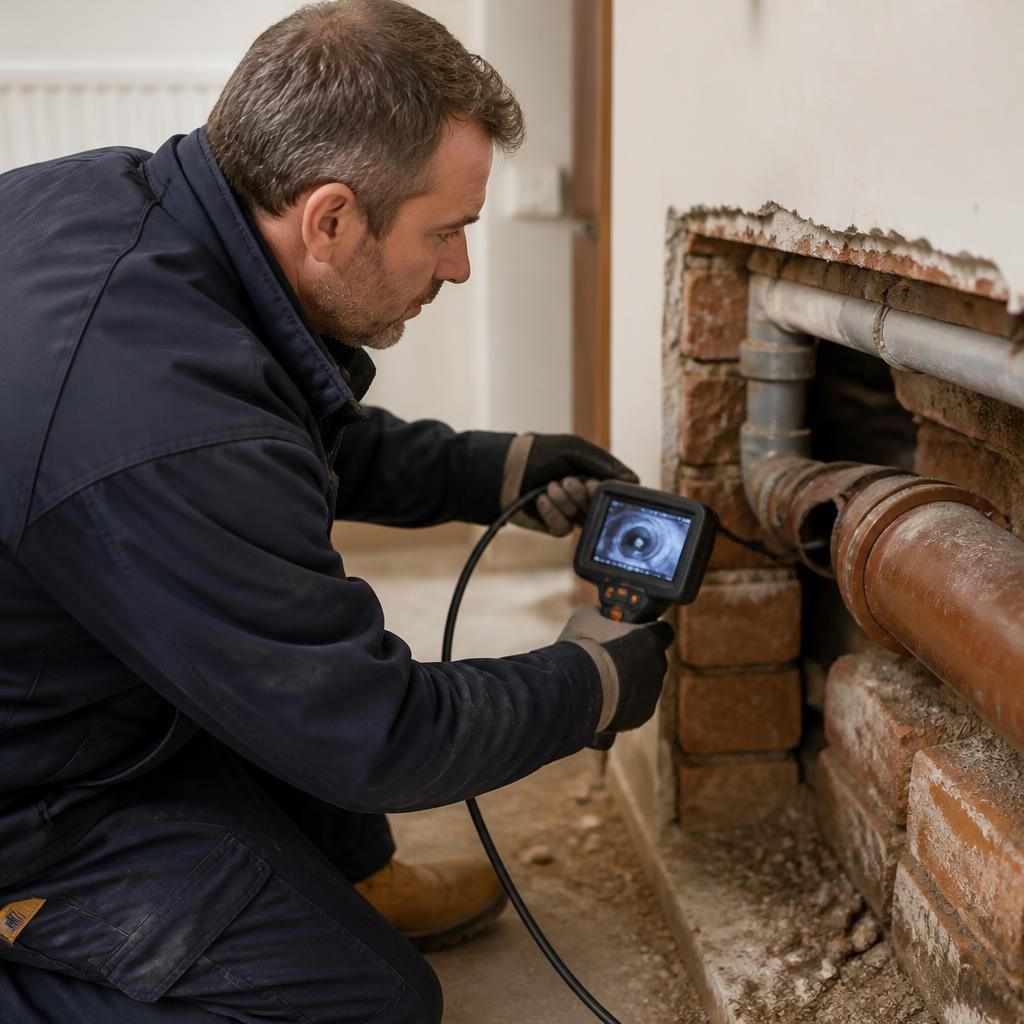
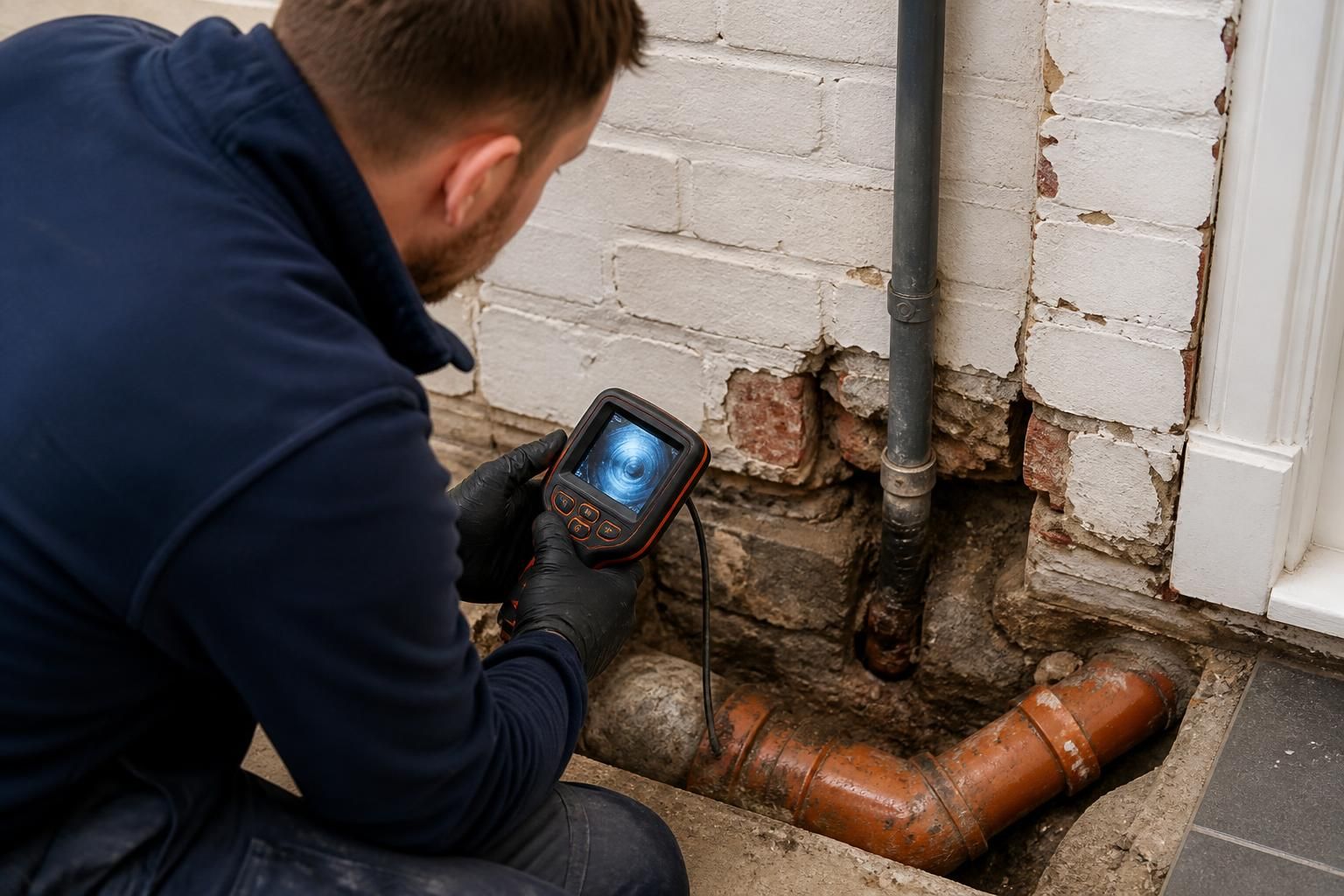
Investigation and diagnosis form part of the overall cost when the cause is not immediately visible. Drain cameras, tracing equipment and other diagnostic methods can help identify the location and nature of a fault without relying on guesswork. This is particularly useful where there are recurring blockages, unexplained damp patches, foul smells or signs of leakage but no obvious break.
Excavation and reinstatement can add to the price when buried pipework cannot be reached by another method. The estimate may need to account for lifting flooring, removing paving, opening a wall or digging through external ground. After the plumbing work, the opening may need to be made safe and temporarily or permanently reinstated. The scope of that making-good work should be clarified, as plumbing repairs do not always include decorative finishes such as tiling, plastering or landscaping.
The repair method is another consideration. Local pipe replacement, joint repairs, lining or other specialist techniques each involve different equipment, preparation and installation requirements. A less invasive method may reduce disruption in some situations, but it is not appropriate for every type of damage. The condition, diameter, position and material of the pipe all need to be considered before selecting an approach.
Additional drainage work may be needed if the damaged pipe is connected to another problem. For example, a repair may uncover a persistent obstruction, poor falls, root intrusion or a damaged inspection chamber. These issues can increase the scope of the work because resolving only the visible leak may leave the underlying drainage fault in place.
Labour is usually influenced by the complexity of the repair rather than the replacement part alone. Time may be required for diagnosis, preparing the area, isolating or draining the system, removing damaged material, fitting and testing the replacement, and cleaning the work area. Specialist tools or equipment can also affect the estimate where ordinary hand tools are not sufficient.
When comparing quotations, check whether they describe:
- the suspected cause and exact location of the defect;
- the proposed repair method and the section of pipe included;
- investigation, testing and any specialist equipment;
- excavation, access and reinstatement responsibilities;
- the removal of damaged materials and disposal of waste; and
- any conditions that could change the price if concealed damage is found.
A professional assessment should distinguish between confirmed work and possible additional work. If further damage becomes apparent after access is gained, the implications should be explained before extra repairs proceed. This helps prevent an apparently low initial price from becoming difficult to compare with a more complete quotation.
For a property in Birmingham or elsewhere in the West Midlands, Ideal Plumbing Services can assess the drainage fault and explain which factors are contributing to the proposed repair cost. The most dependable estimate is based on the actual condition of the pipe and the access available, rather than on the symptom alone.