Excavation is not automatically needed for a drain repair. The method depends on the type of defect, the condition of the surrounding pipe and how accessible the affected section is. A drainage inspection should establish whether the problem can be repaired from an existing access point or whether the damaged section needs to be exposed and replaced.
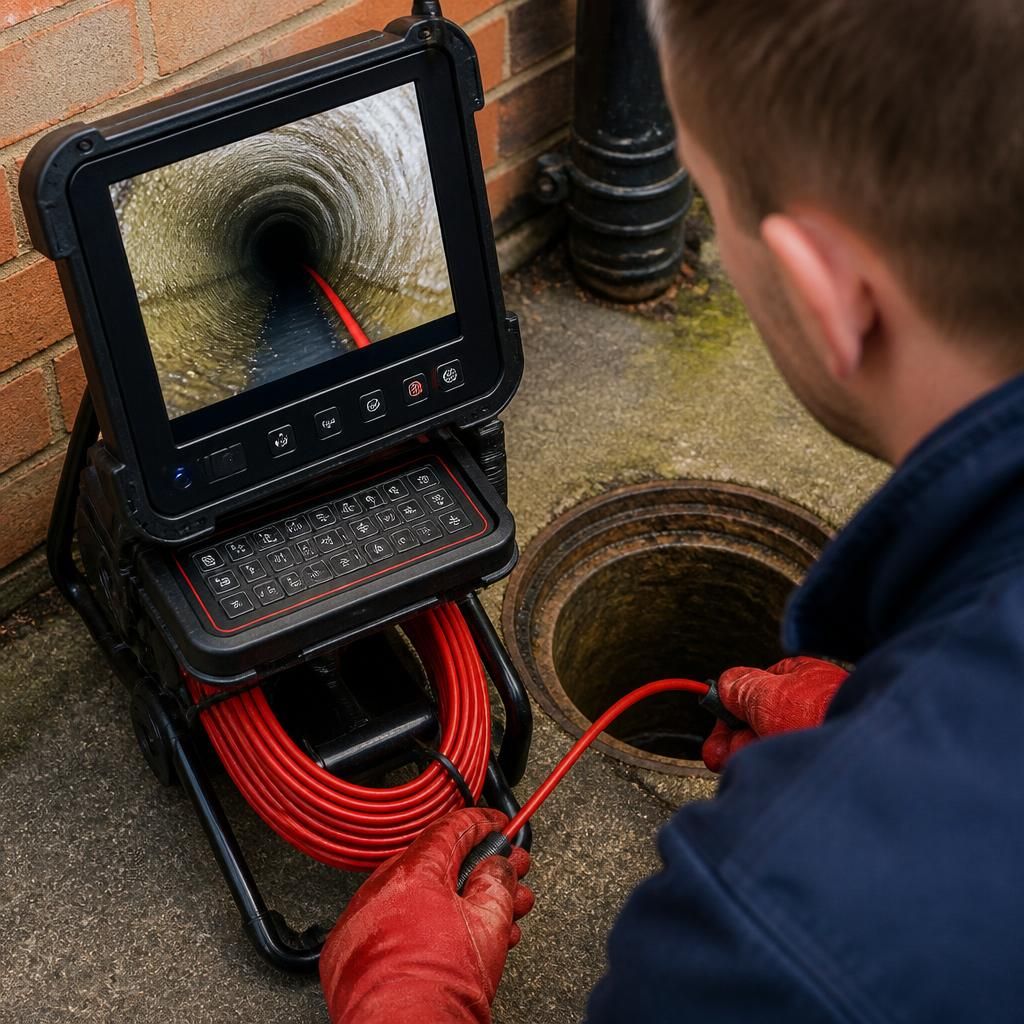
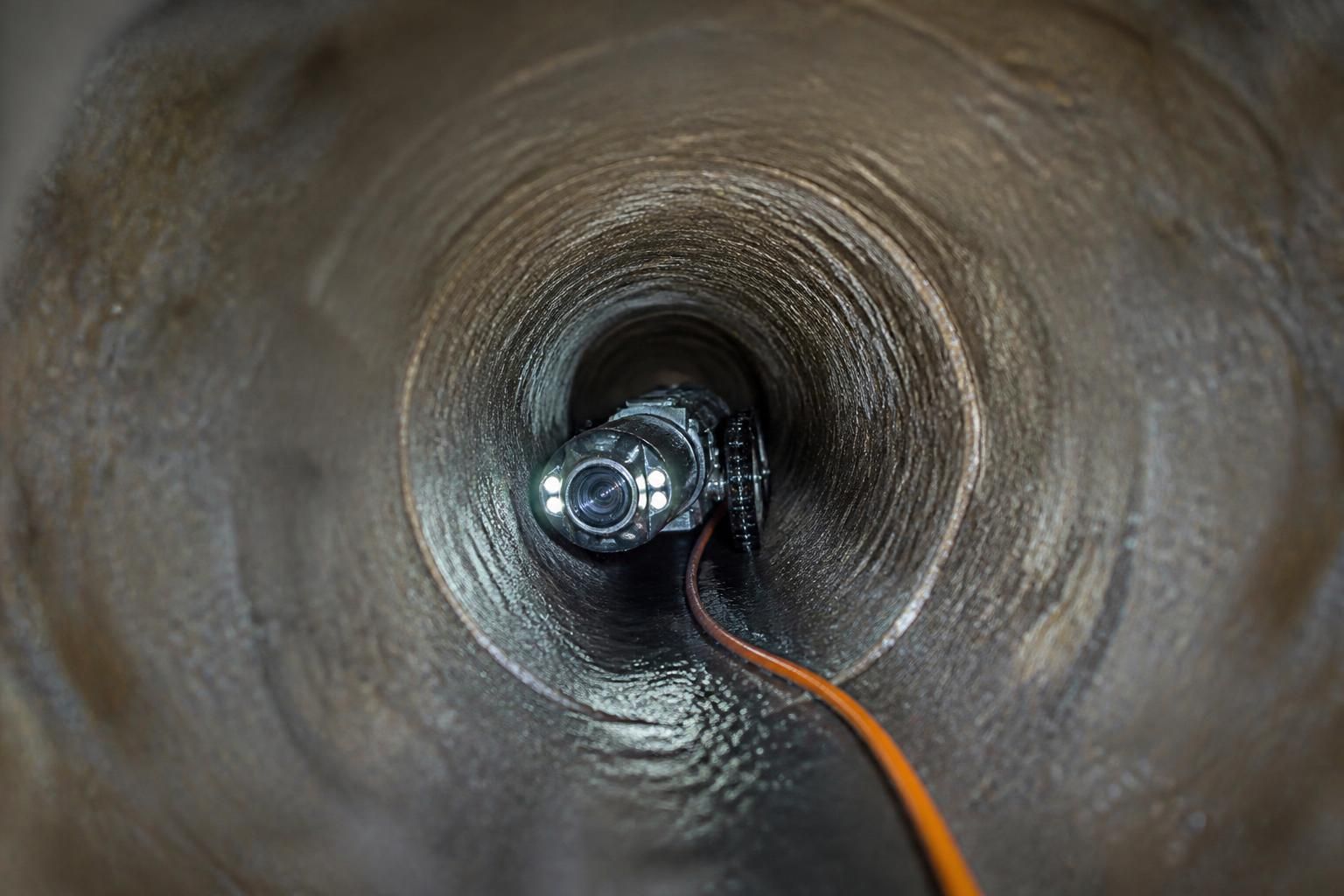
A CCTV survey is commonly used to identify the position and severity of the fault. It can show cracks, open joints, displaced sections, root ingress, scale build-up and signs of collapse. The inspection may be combined with drain tracing or a survey of the property layout so the repair team knows where the defect lies before deciding how to reach it.
Non-excavation repairs are more suitable when the pipe remains sufficiently stable and the defect is localised. Depending on the findings, possible methods include:
- Localised patch repair: a repair sleeve is positioned over a limited crack, hole or leaking joint to seal the affected area.
- Pipe relining: a resin-based liner is installed inside the existing pipe and formed against its internal surface, creating a new sealed lining without removing the whole pipe.
- Internal joint sealing: suitable defective connections may be sealed from within the drain where the surrounding pipe is structurally sound.
These techniques can reduce the need to disturb paving, flooring, driveways, gardens or other surfaces. They are not suitable for every drain. A liner needs a clear route through the pipe, and heavy deformation, extensive collapse or severe blockages may prevent it from being installed correctly. The pipe may also need cleaning and preparation before a lining or patch can be considered.
Digging is more likely when the pipe has collapsed, moved significantly, lost its correct fall or suffered widespread structural damage. Excavation may also be required where a section is inaccessible to internal equipment, where a connection has failed, or where the pipe must be replaced rather than repaired. In these circumstances, exposing the pipe allows the damaged section, bedding and connections to be assessed directly.
The depth and position of the defect affect the scale of excavation. A short, shallow repair may involve lifting a limited area of paving or soil. A deeper pipe, a drain beneath a building or a line close to other utilities can require more careful planning and temporary measures to keep the excavation safe. The surrounding surface will also need suitable reinstatement after the pipework has been repaired.
A proper repair assessment should therefore cover more than the visible symptom. Repeated blockages, damp patches, foul smells or slow drainage may be caused by a structural fault, but clearing the blockage alone will not correct damaged pipework. The inspection should confirm the defect, identify its exact location and assess whether the remaining pipe is suitable for an internal repair.
For homeowners, landlords and tenants, the practical choice is usually a balance between structural suitability, access, disruption and the expected service life of the repair. An experienced drainage professional can explain why a particular method is appropriate, what areas may need to be disturbed and whether excavation is genuinely necessary before work begins.