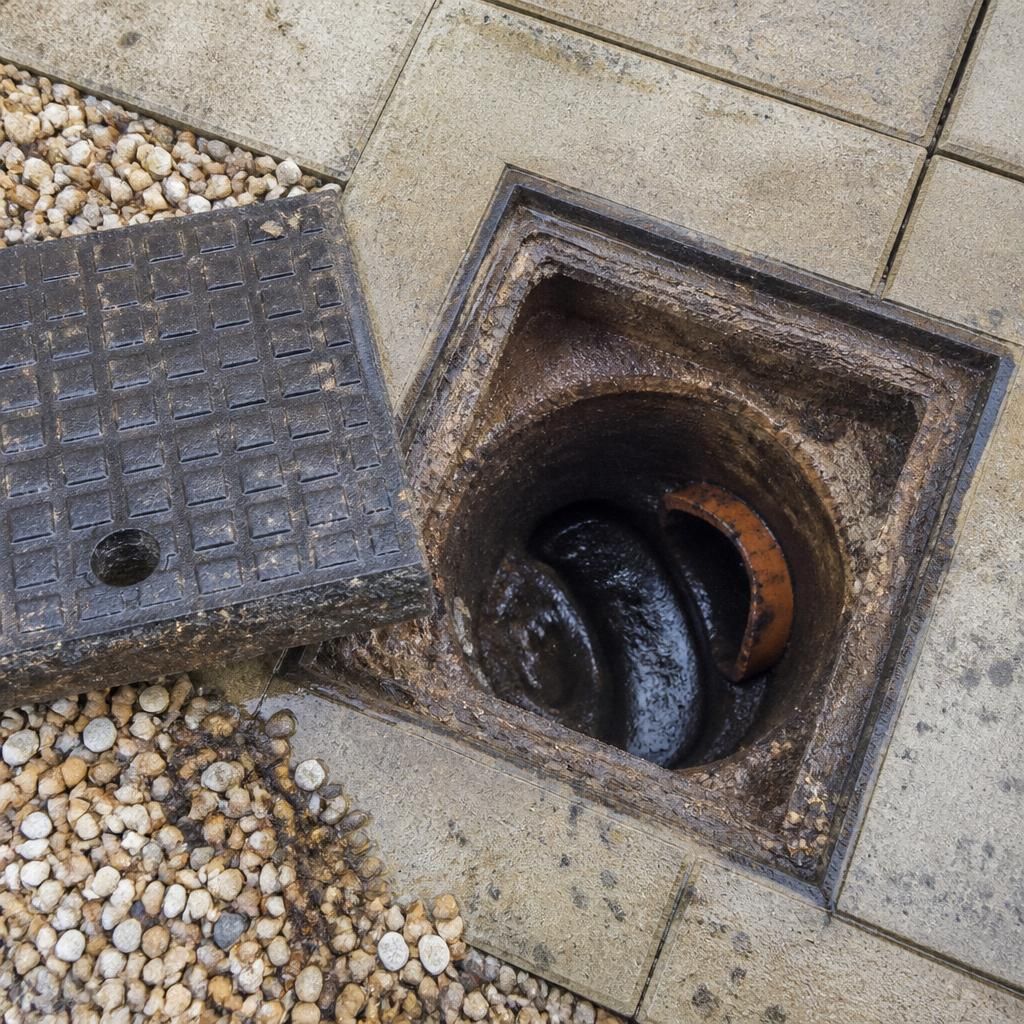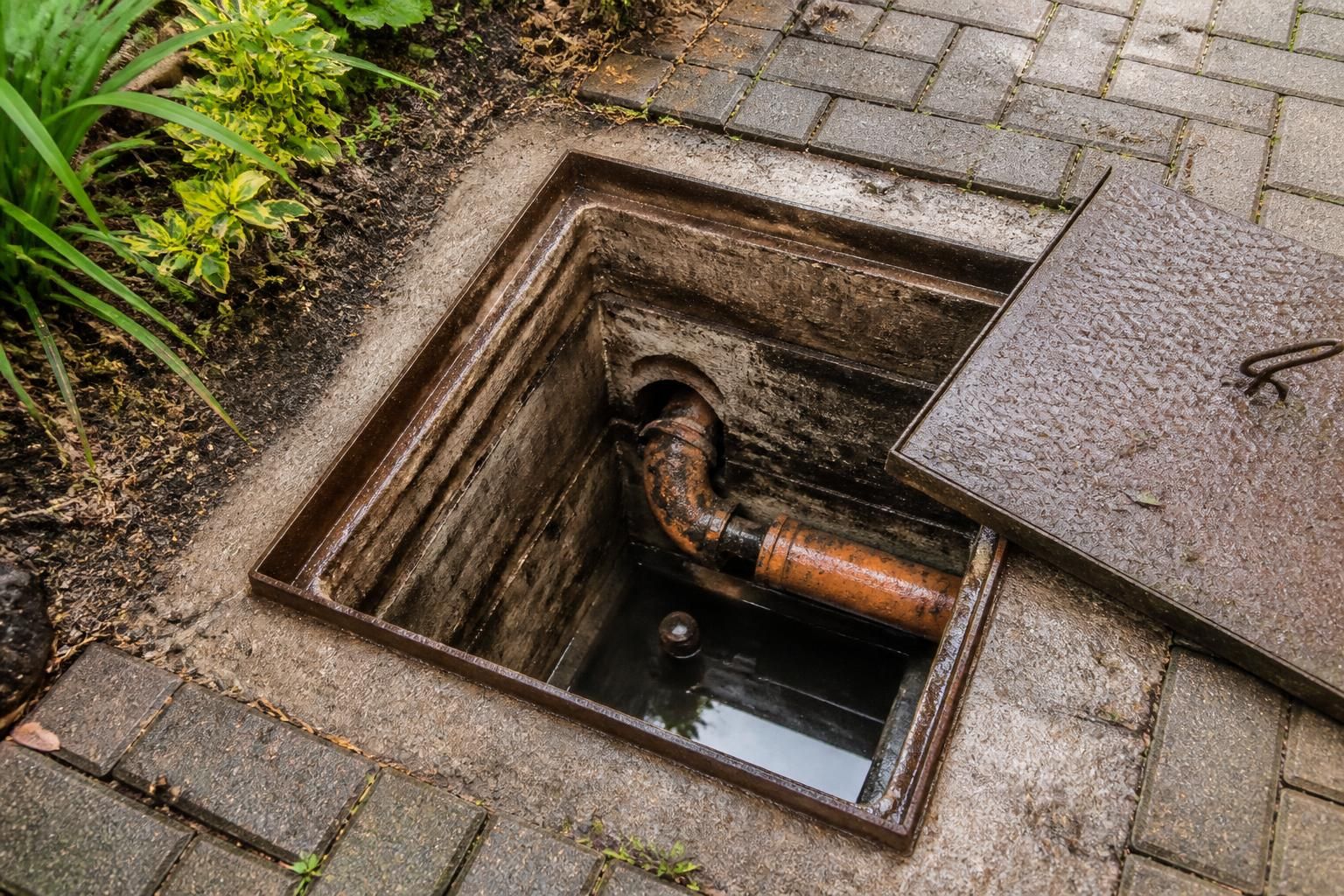
Drain repairs require safe, practical access to the part of the drainage system that needs inspection or work. The access route may be through an internal appliance connection, an external drain cover, a manhole, a rodding point or, where necessary, a carefully selected area of ground or paving above the pipe.
The type of access required depends on the suspected fault and the layout of the property. A drainage professional will usually consider:
- Inspection chambers and manholes: These provide access for visual checks, cleaning equipment and some repair methods. They may be located in a driveway, garden, shared passage or inside a property.
- Rodding points and clean-outs: These smaller access points can allow equipment into the pipe without removing extensive ground or flooring.
- Drain connections: For certain blockages or defects, access may be possible through a toilet, sink waste, soil pipe or other connection, although this depends on the pipe size and the equipment needed.
- Exposed pipework: Pipes in service ducts, basements, loft voids or other accessible areas can sometimes be reached without opening walls or floors extensively.
- Surface access: If the defective section is underground and cannot be reached through an existing opening, a small area of paving, concrete, decking, soil or flooring may need to be lifted.
Before work begins, the technician should identify the most suitable entry point and establish how far equipment can reach. A camera inspection, drainage tracing or other diagnostic method may help locate the defect and reduce unnecessary disturbance. Access does not automatically mean that the whole pipe needs to be uncovered; the aim is to reach the affected section using the least disruptive suitable method.
Clear access around covers and chambers is important. Garden furniture, stored items, vehicles, plants or built structures may need to be moved if they obstruct the working area. Covers can also be heavy, sealed or difficult to lift safely, so they should not be forced by the property owner. If a chamber is located inside a home, the route to it should be kept clear and the area protected before inspection or repair work starts.
Some jobs require more than one access point. For example, a long run of pipe may need an entry point for inspection and another point for cleaning, lining or removal of a damaged section. A collapsed, displaced or badly fractured pipe may require local excavation where repair equipment cannot pass through the existing system. The extent of any opening should be agreed after the defect and proposed repair method have been assessed.
For rented properties, the landlord or managing agent may need to approve access to shared areas, gardens, driveways or internal rooms. Tenants should report the problem promptly and avoid covering or altering drain covers before an inspection. In flats and terraced properties, access may also involve a communal drain or neighbouring land, making prior permission particularly important.
Practical details that can affect the assessment include the position of stop taps and inspection covers, the location of utility services, restricted side access, parked vehicles and whether the drainage system serves more than one property. Ideal Plumbing Services can assess the available access across Birmingham and the West Midlands and explain what is needed before repair work is undertaken. The proposed approach should include any likely surface opening, reinstatement requirements and charges, with no hidden charges.