Sewer line repairs are suitable for many property types, but the property itself does not determine the answer. Houses, flats, rented homes, older buildings and commercial premises can all have repairable sewer pipework. Suitability depends on how the drainage system is arranged, who is responsible for the affected section and whether the proposed repair meets the property’s long-term needs.
Detached and semi-detached houses often have private underground sewer runs serving a single dwelling. This can make it easier to identify the affected section and select a repair method. However, extensions, conservatories, driveways and landscaping may have been built over the original route. The position of inspection chambers and the direction of the pipework should be established before deciding whether a repair is practical.
Terraced houses may share drainage routes with neighbouring properties, particularly where several homes were built as part of the same development. A defect that appears to affect one property may therefore involve a shared drain or a connection serving more than one home. In these cases, the repair plan should distinguish between privately maintained pipework and sections for which responsibility may be shared.
Flats and maisonettes require additional care because their drainage systems can include vertical soil stacks, horizontal branch connections and communal underground runs. A repair to one section must not restrict the flow from other dwellings or compromise access for future maintenance. The freeholder, managing agent or relevant maintenance party may need to be involved where the pipe serves multiple flats.
Rental properties can usually have sewer repairs carried out in the same way as owner-occupied homes, but responsibility should be clarified before work is authorised. Tenants should report symptoms such as recurring blockages, foul smells, damp patches or slow discharge to the landlord or managing agent. Landlords should keep records of inspections and repairs, particularly where a drainage problem has returned after previous work.
Older or altered properties may contain a mixture of pipe materials and connections installed at different times. Building extensions, converted cellars and changes to bathrooms or kitchens can also leave drainage routes that differ from the original plans. A repair may be suitable for one section while another part of the system requires separate attention. The condition of adjoining connections is therefore relevant when judging whether a local repair will provide a sound result.
Commercial premises can also be suitable for sewer line repairs, although their drainage arrangements may be more complex. Restaurants, offices, workshops and multi-occupancy buildings may have higher or more varied discharge demands, grease-affected pipework or drainage serving several facilities. The repair method must be compatible with how the premises operates and with any requirements applying to shared or commercial drainage systems.
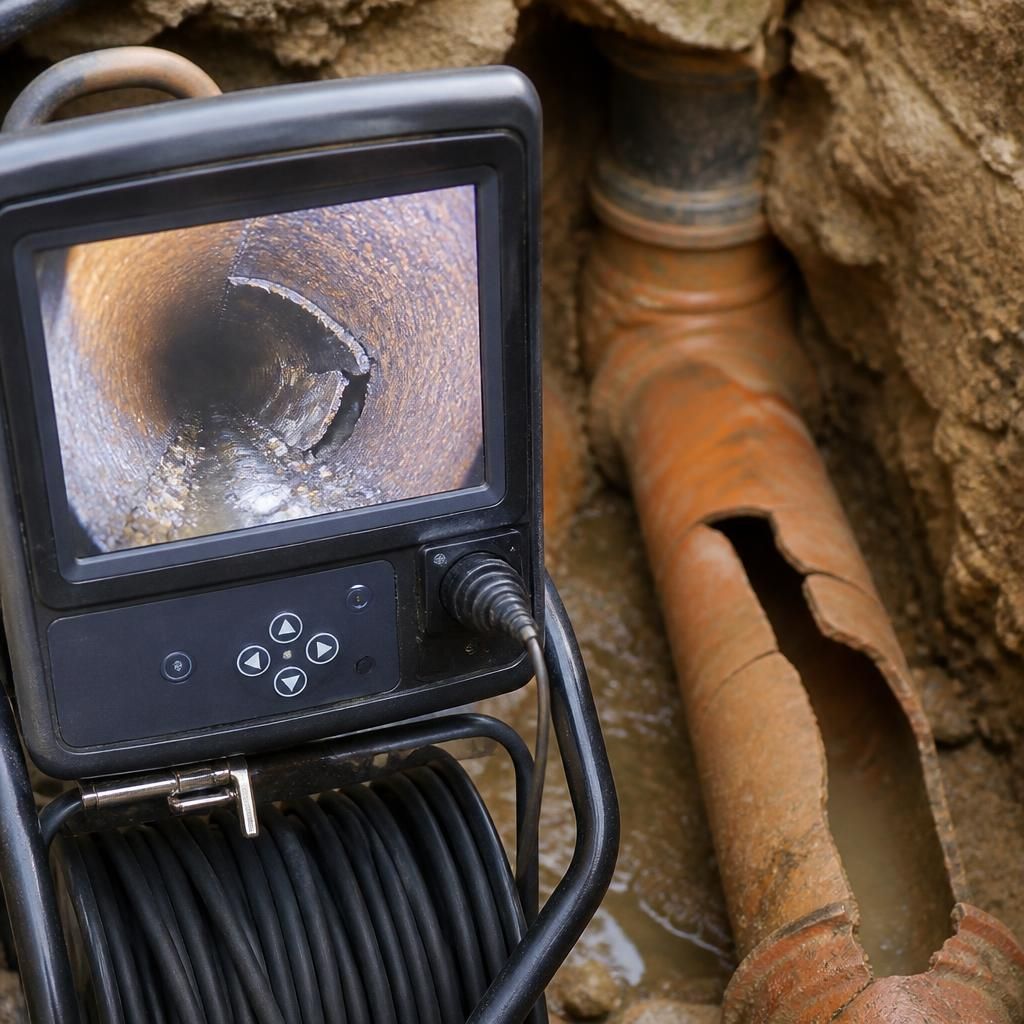
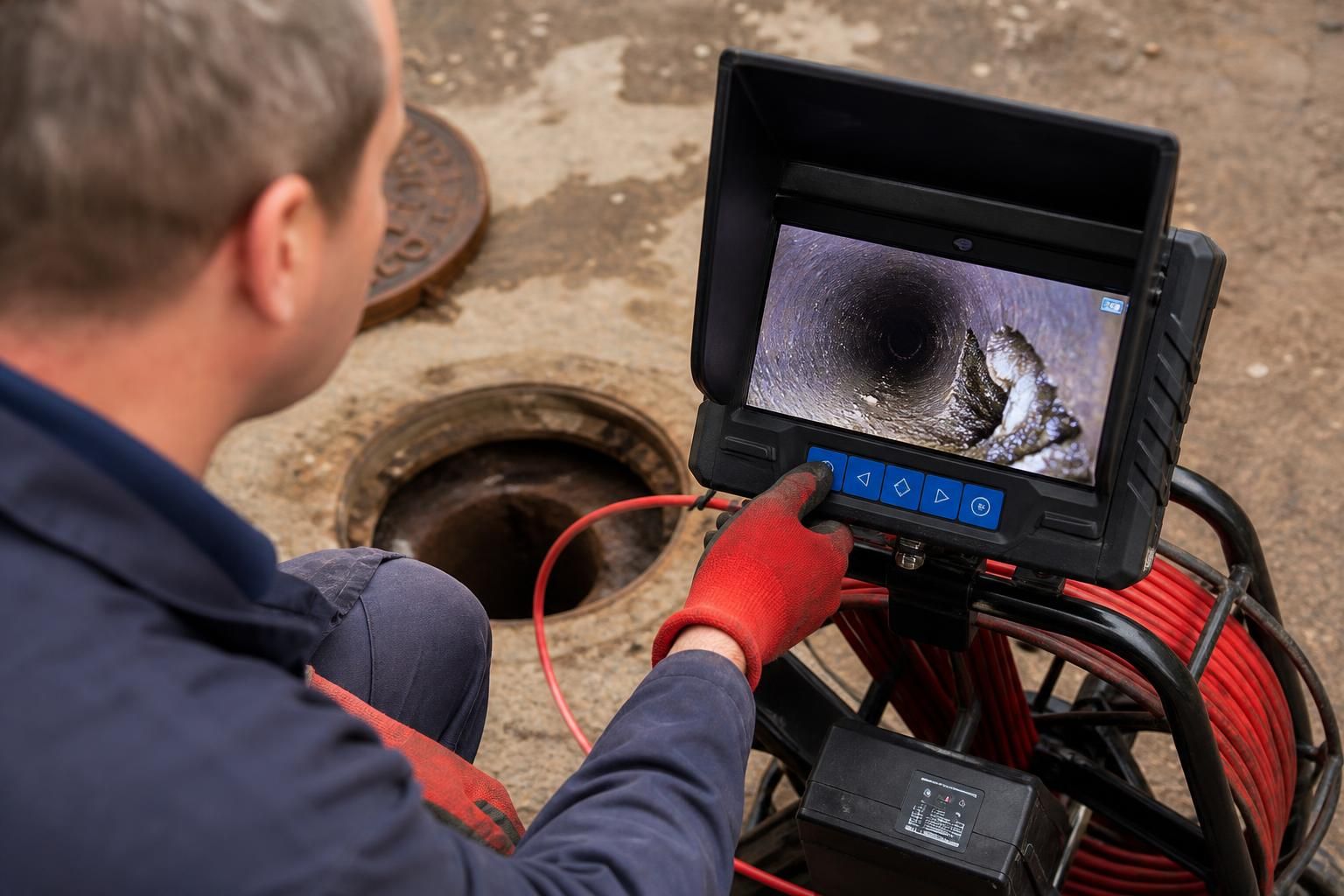
An assessment normally considers more than the visible symptom. CCTV inspection can help identify fractures, displaced joints, root ingress, scale, deformation and obstructions inside the line. Tracing the route and checking how connected branches behave can show whether the affected pipe serves one property or forms part of a wider system. This information helps separate a local defect from a system-wide problem.
Repairs are generally more appropriate where the remaining pipe has sufficient structural integrity and the defect can be isolated or treated effectively. A localised crack, open joint or limited intrusion may be addressed without replacing the entire line. By contrast, extensive collapse, severe deformation, multiple failed sections or a pipe that is no longer capable of carrying normal flows may make repair unsuitable. Repeated repairs in the same area can also indicate that a more comprehensive solution should be considered.
Property type can affect the available options, but it does not automatically rule out repair. Shared ownership, building layout, drainage usage and the future maintenance implications should all be reviewed before work starts. Ideal Plumbing Services can assess sewer drainage for residential customers and other local premises across Birmingham and the West Midlands, then explain whether repair is a reasonable option for the particular property.